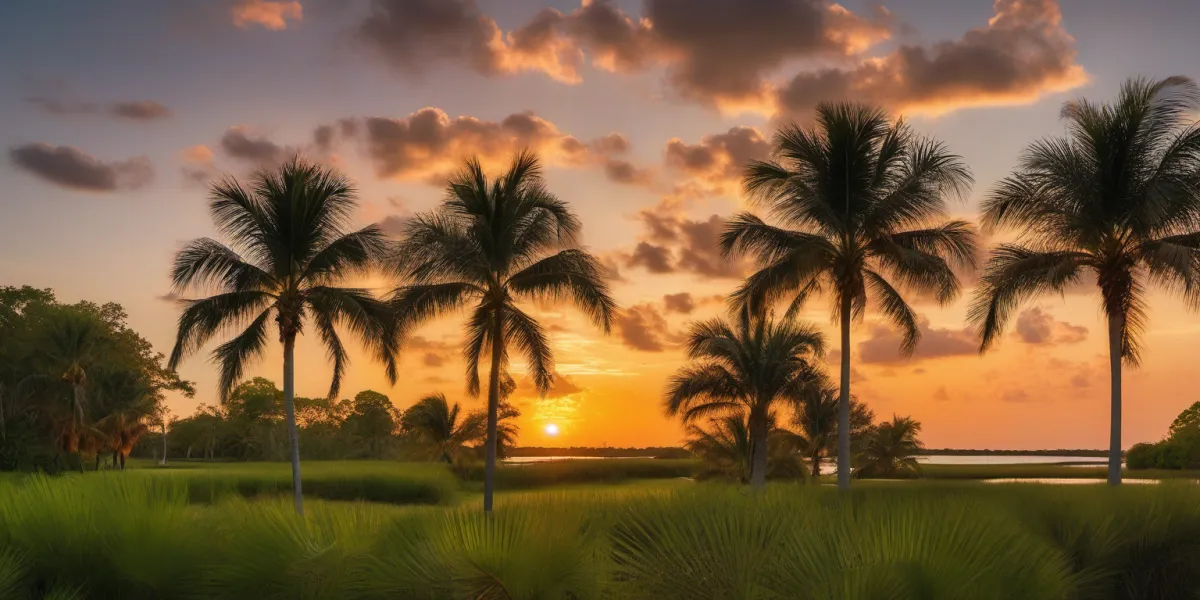
**BOLD_INTRO**: Add a touch of elegance to your Cape Coral yard with the beautiful, feathery plumes of muhly grass. With its stunning fall color display and low-maintenance requirements, it's no wonder this ornamental grass is gaining popularity in our region.
Muhly grass (Muhlenbergia spp.) is a type of warm-season grass native to the Americas, with over 50 species available. It thrives in Cape Coral's subtropical climate and can tolerate partial shade, making it an ideal choice for yards with mature trees or those seeking to reduce sun exposure.
When selecting a muhly grass variety for your Cape Coral yard, consider the following factors:
* **Climate**: Our region experiences hot summers and mild winters. Look for varieties that are heat-tolerant and drought-resistant.
* **Sunlight**: Most muhly grasses require full sun to partial shade. If you have a shaded area, choose a variety like Muhlenbergia reverchonii or Muhlenbergia lindheimeri.
* **Soil Type**: Cape Coral's soil is typically sandy and alkaline. Opt for varieties that prefer well-draining soils, such as Muhlenbergia capillaris.
Some top-performing muhly grass varieties for Cape Coral yards include:
* **Pink Muhly Grass (Muhlenbergia capillaris)**: A popular choice with vibrant pink plumes in fall.
* **White Muhly Grass (Muhlenbergia reverchonii)**: Produces stunning white plumes that last throughout the growing season.
* **Texas Muhly Grass (Muhlenbergia lindheimeri)**: Tolerates partial shade and produces delicate pink flowers.
To ensure your muhly grass thrives in Cape Coral's climate:
* **Plant at the right time**: Spring or fall are ideal planting seasons, as they allow the grass to establish itself before extreme temperatures.
* **Water wisely**: Water deeply but infrequently to encourage deep root growth. Avoid overwatering, which can lead to fungal diseases and pest issues.
* **Fertilize lightly**: Feed your muhly grass with a balanced fertilizer in early spring and again after it finishes blooming.
* **Prune in late winter or early spring**: Remove dead foliage and trim back any overgrown stems.
* **Monitor for pests**: Regularly inspect your plants for signs of pests like aphids, whiteflies, or spider mites. Use organic pest control methods whenever possible.
* **Mulch around the base**: Mulching helps retain moisture, suppress weeds, and regulate soil temperature.
The cost of muhly grass can vary depending on factors like location, quantity, and quality. Here are some rough estimates:
* **Small potted plants (1-5 gallons)**: $20-$50 each
* **Larger potted plants (10-15 gallons)**: $40-$70 each
* **Bare-root or bulk quantities**: Prices vary depending on the supplier and quantity
A: While some species can be aggressive, they're generally not considered invasive in our region. However, it's essential to choose varieties that are well-behaved and non-invasive.
A: Yes! Muhly grass adapts well to containers, but ensure the pot is at least 12-18 inches deep and has good drainage.
Q: How often should I water my muhly grass during droughts?
A: Reduce watering frequency during dry spells, but avoid letting the soil become too dry. Water when the top inch of soil feels dry to the touch.
Visit Palmandplantco.com or call (239) 763-0625 to speak with our team of experts and discover the best muhly grass varieties for your unique yard needs. Let us help you create a stunning, low-maintenance landscape that showcases the beauty of this versatile ornamental grass!