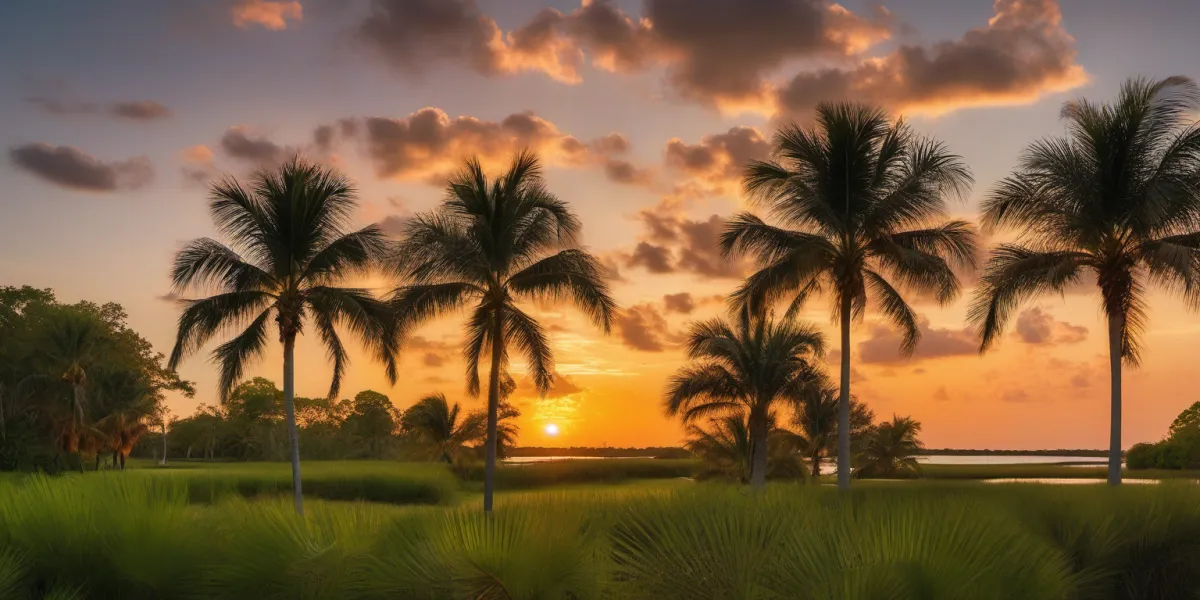
Mastering the Art of Florida Plant Watering: A Guide by Climate Zone
As Floridians, we're no strangers to the subtropical climate that blankets our state. But with great weather comes great responsibility, namely, knowing when and how to water your plants. We've got you covered with this comprehensive guide to Florida plant watering, broken down by climate zone.
Understanding Florida's Climate Zones
Before we dive into the nitty-gritty of watering schedules, it's essential to understand Florida's diverse climate zones. Our state is divided into three main regions: North Central, Southwest, and Southeast. Each zone has its unique characteristics, including temperature fluctuations, humidity levels, and precipitation patterns.
Zone 1: South Florida (Miami-Dade, Broward, Palm Beach)
South Florida's tropical climate means plants require more frequent watering. Soil dries out quickly in this region due to high temperatures and low humidity.
Watering Schedules for Each Climate Zone
Zone 2: Central Florida (Orlando, Tampa)
Central Florida's subtropical climate falls somewhere in between the hot, dry summers of South Florida and the mild winters of North Florida. Plants here require regular watering, but not as frequently as their Southern counterparts.
Zone 3: North Florida (Jacksonville, Panama City)
North Florida's temperate climate means plants need less frequent watering due to cooler temperatures and higher humidity levels.
Watering Tips for Specific Plant Types
- ✓> Tropical plants, like palms and hibiscus, require more frequent watering in South Florida.
- ✓> Drought-tolerant plants, such as succulents and cacti, prefer infrequent watering throughout the state.
Soil Moisture Levels
- ✓Check soil moisture by inserting your finger into the soil up to the knuckle.
- ✓Water when the top 1-2 inches of soil feel dry to the touch.
- ✓Avoid overwatering, which can lead to root rot and other problems.
Overwatering vs. Underwatering: Identifying the Issue
- ✓> Overwatering symptoms include yellowing leaves, soft stems, and water pooling around the base of the plant.
- ✓> Underwatering symptoms include wilted or droopy leaves, crispy stems, and a general lackluster appearance.
Adjusting Watering Schedules for Seasonal Changes
- ✓Summer: Increase watering frequency in all climate zones due to high temperatures and dry air.
- ✓Winter: Reduce watering frequency in North Florida, as plants require less moisture during the cooler months.
- ✓Spring and Fall: Maintain regular watering schedules, adjusting only if extreme weather conditions occur.
Conclusion
Mastering the art of Florida plant watering requires understanding your specific climate zone and adjusting your watering schedule accordingly. By following these guidelines and paying attention to your plants' unique needs, you'll be well on your way to becoming a green thumb pro. If you're still unsure about how to care for your plants or have questions about our products, don't hesitate to reach out to us at (239) 799-5594.
Happy planting!