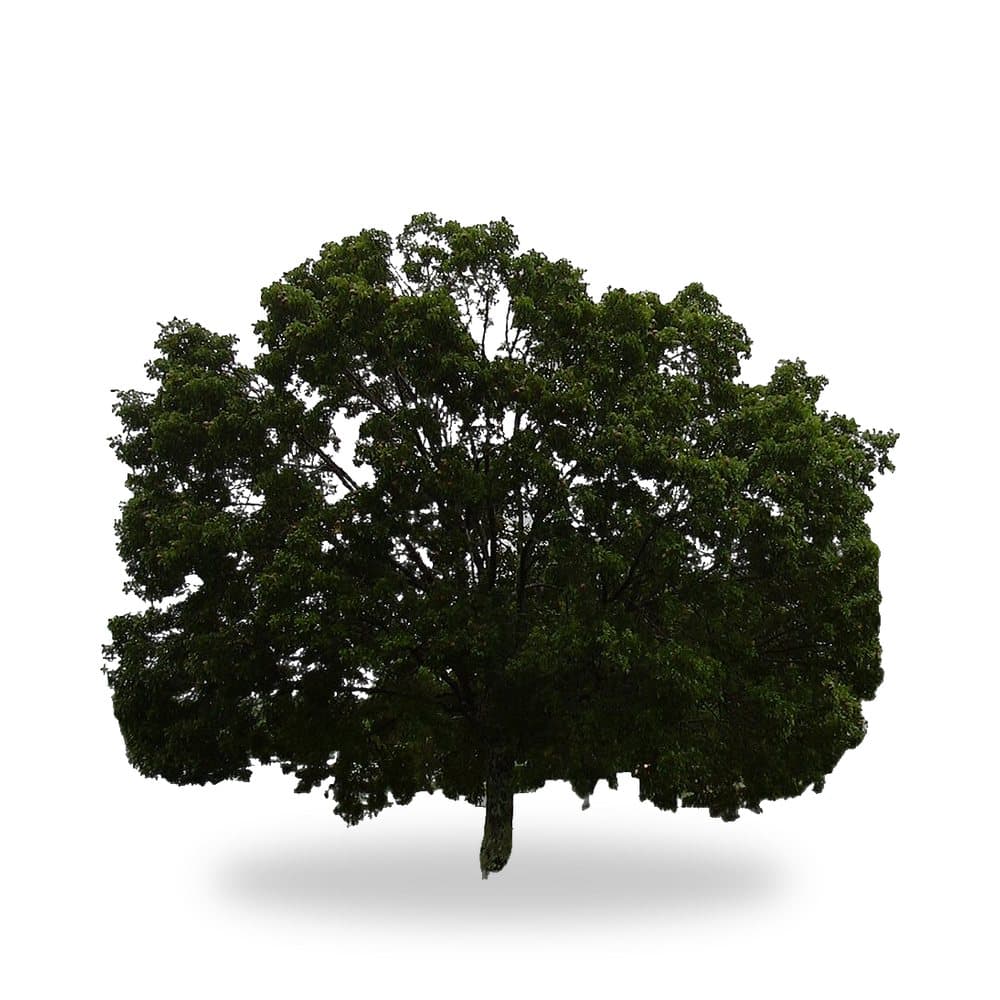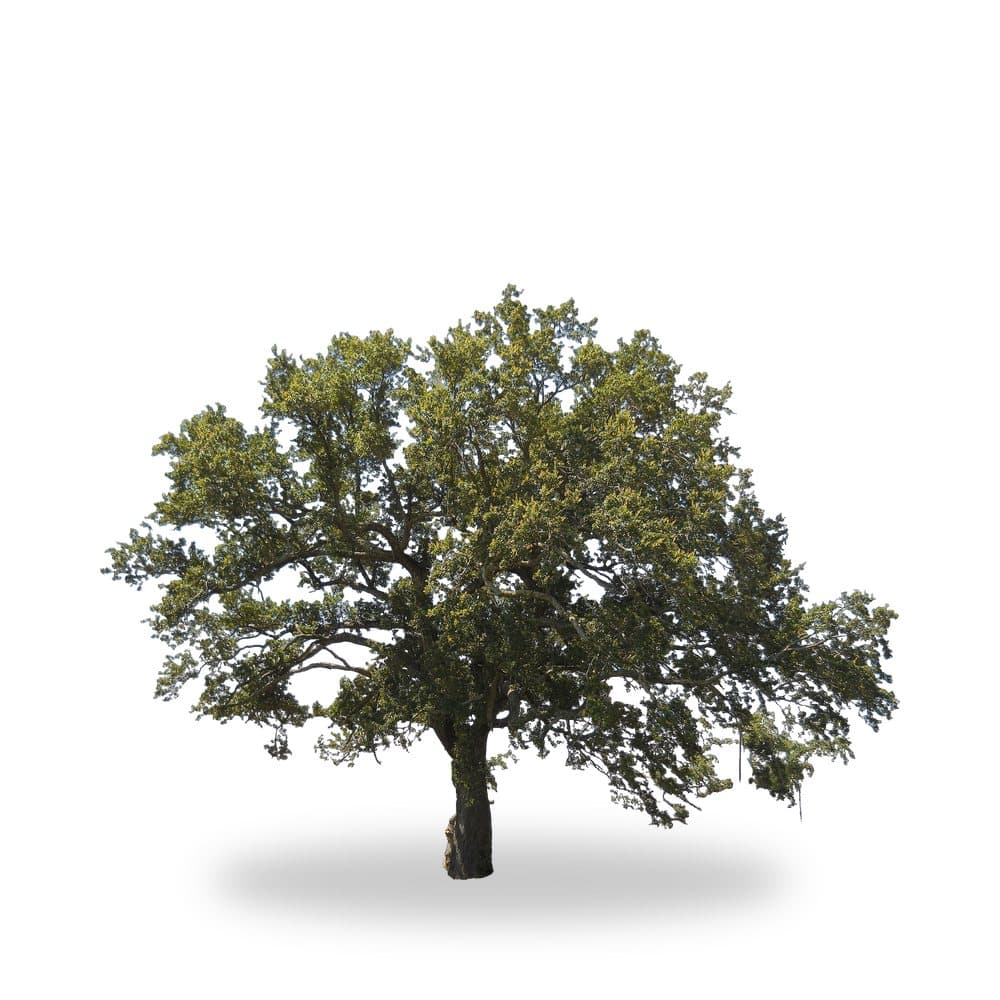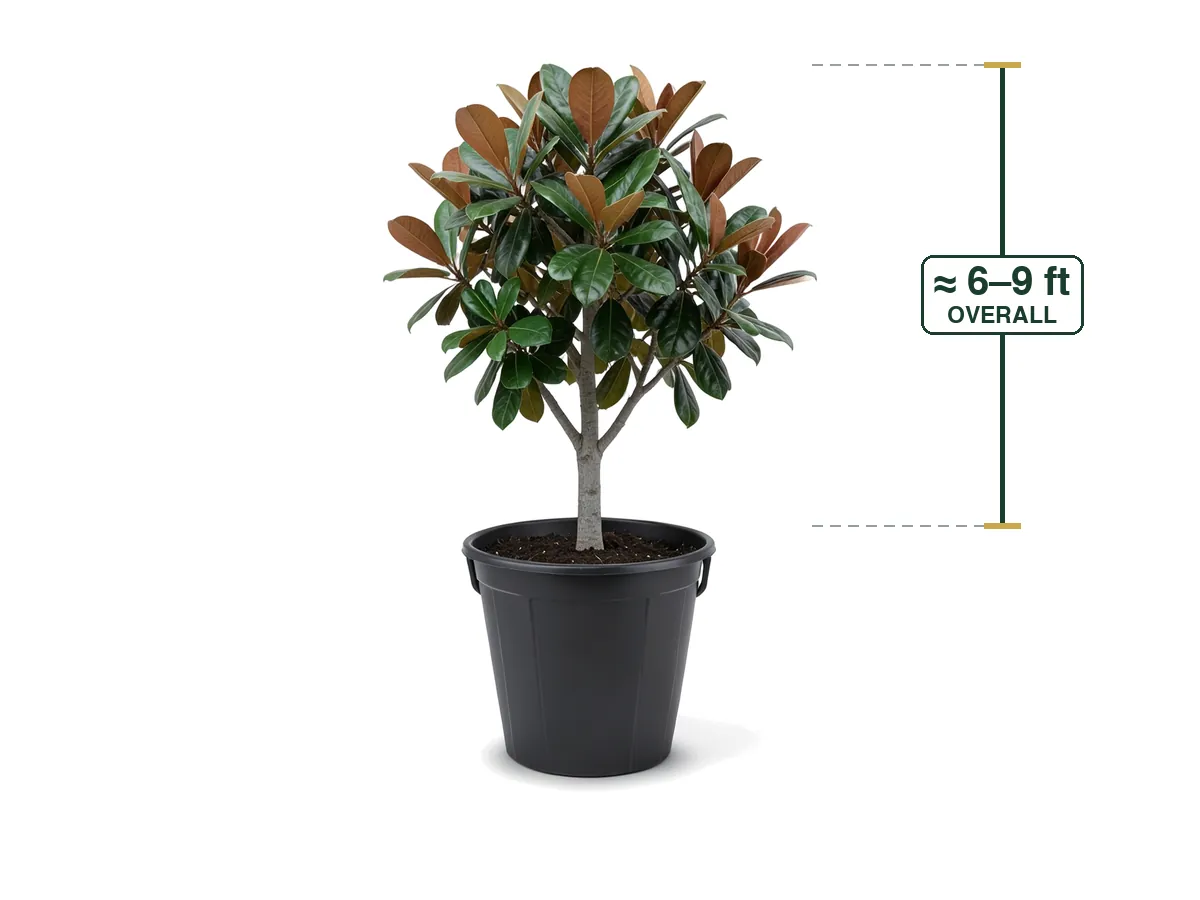
Mahogany trees are a stunning addition to any North Port landscape, providing shade and beauty year-round. However, they can face several common issues that might leave you scratching your head. Whether it’s pests, diseases, or just the challenges of growing in Florida's unique climate, this guide will help you identify and solve problems before they become major headaches.
Common Mahogany Tree Issues in North Port
Mahogany trees (Swietenia macrophylla) are a favorite among homeowners and landscapers in North Port due to their durability and aesthetic appeal. However, these tropical giants aren’t immune to issues that can compromise their health and beauty. Here’s a rundown of the most frequent problems you might encounter:
- ✓Pests
- ✓Diseases
- ✓Nutrient Deficiencies
- ✓Environmental Stressors
Identifying Mahogany Tree Pests in North Port
In North Port, mahogany trees are particularly susceptible to pests that can cause significant damage if left unchecked. Some of the most common culprits include:
- ✓Scale insects: Small, immobile creatures that attach themselves to leaves and stems.
- ✓Leaf miners: Tiny larvae that burrow into leaf tissue, causing yellow streaks and blotches.
- ✓Spider mites: Microscopic pests that create webbing on foliage and cause discoloration.
How to Manage Pests in North Port Mahogany Trees
Regular inspections are key to catching pest infestations early. Use a magnifying glass or inspect tree branches closely for signs of small insects, eggs, or feeding damage. Once pests are identified, consider these options:
- ✓Organic sprays: Neem oil and insecticidal soaps can be effective against soft-bodied pests.
- ✓Biological controls: Introduce predatory insects that naturally prey on common mahogany tree pests.
Pro Tip: Planting a diverse array of trees and shrubs around your North Port property helps maintain a healthy balance of predator and prey, reducing pest populations naturally over time.
Dealing with Diseases in Mahogany Trees
North Port’s humid climate can make mahogany trees more susceptible to fungal diseases. Here are the most prevalent issues:
- ✓Leaf spot: Dark, circular spots on leaves caused by fungi.
- ✓Root rot: Fungal infections that attack root systems, leading to wilting and death.
Prevention Is Key for Disease Control
While some diseases may be unavoidable, taking proactive steps can significantly reduce the likelihood of infection:
- ✓Water wisely: Avoid overwatering; ensure soil drains well.
- ✓Prune carefully: Remove infected branches promptly to prevent spread.
- ✓Fertilize properly: Use a balanced fertilizer to support overall tree health.
Nutrient Deficiencies and Their Impact
Like all plants, mahogany trees require specific nutrients for optimal growth. In North Port’s sandy soils, deficiencies can occur due to poor soil quality or excessive rain leaching away essential minerals. Common deficiencies include:
- ✓Iron chlorosis: Leaves turn pale yellow between veins.
- ✓Manganese deficiency: Similar symptoms but with more pronounced interveinal yellowing.
Diagnosing and Correcting Nutrient Deficiencies
To address nutrient deficiencies, consider soil testing to determine exact needs. Then:
- ✓Apply chelated iron or manganese as directed by test results.
- ✓Use a fertilizer high in micronutrients, specifically formulated for tropical trees.
Pro Tip: Regularly mulching around the base of your mahogany tree can help retain moisture and slowly release nutrients into the soil, improving overall health.
Environmental Stressors to Watch Out For
North Port’s climate presents unique challenges that can stress out even healthy mahogany trees. Consider these factors:
- ✓High temperatures: Summer heat waves can burn foliage.
- ✓Winter freezes: Although rare in South Florida, sudden cold snaps can damage sensitive bark.
Mitigating Environmental Stress
Protecting your mahogany tree from environmental stressors is crucial for long-term health. Here’s what you can do:
- ✓Provide shade: Install temporary shading during extreme heat waves.
- ✓Wrap trunks: Use burlap or commercial wraps to insulate against cold snaps.
FAQ Section
Q: What are the signs of a pest infestation in mahogany trees?
A: Common indicators include yellowing leaves, sticky residue on foliage, and visible insects. Regular inspections with a magnifying glass can help catch issues early.
Q: How often should I fertilize my mahogany tree to prevent nutrient deficiencies?
A: In North Port’s sandy soil, fertilizing every 3-4 months during the growing season is recommended. Always follow product instructions and adjust based on soil test results.
Q: Can drought affect mahogany trees in North Port?
A: Yes, prolonged dry periods can weaken your tree's root system. Deep watering once a week during dry spells helps maintain moisture levels around roots.
Call to Action
Whether you need expert advice on caring for your mahogany tree or assistance with installation and maintenance services, Florida Palm and Plant Co is here to help. Visit us at palmandplantco.com or give us a call at (239) 799-5594 to learn more about our comprehensive range of tropical plant solutions tailored for North Port homeowners and businesses!
Related Reading From Palm and Plant Co
- ✓Where to Buy Shade Trees in Gainesville, FL (2026 Guide)
- ✓Best Time to Plant Shade Trees in Bonita Springs, FL
- ✓Shade Trees for Privacy in Bradenton, Hedge & Screen Guide
- ✓How Much Does Live Oak Cost in Pensacola? Complete Price Breakdown
- ✓Shade Trees Care Guide for Fort Lauderdale Homeowners