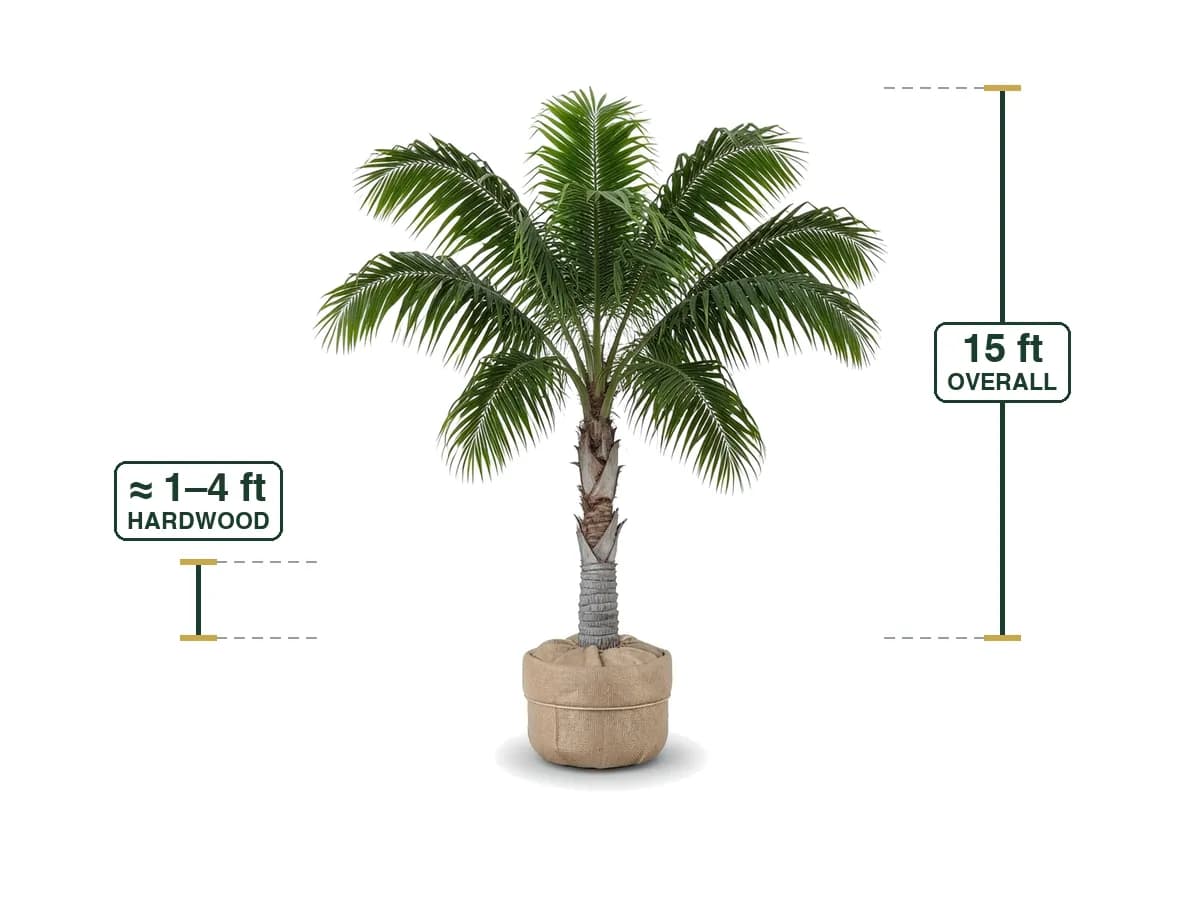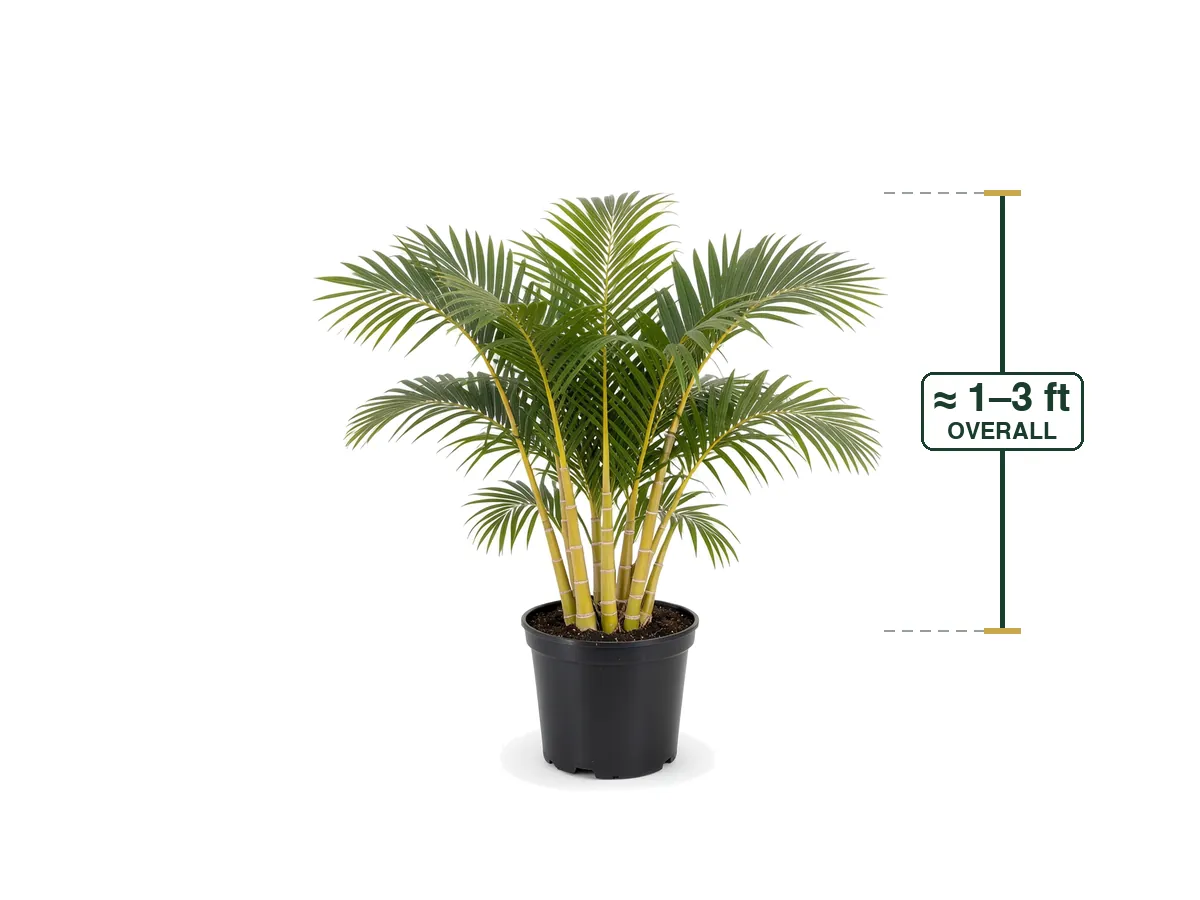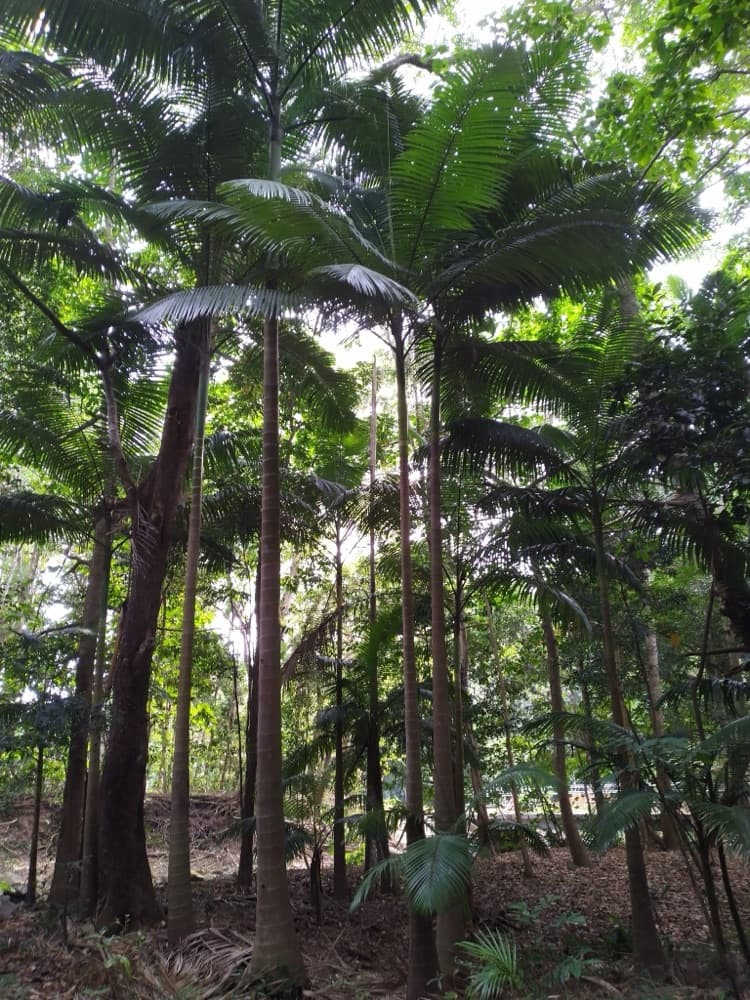
Bold_Intro: Queen Palms are a beloved addition to many landscapes in Cape Coral, but like any plant, they can encounter their fair share of issues. Whether it's yellowing fronds or nutrient deficiencies, this guide will help you keep your queen palms healthy and thriving.
Common Queen Palm Problems in Cape Coral
Queen Palms are a staple in many Cape Coral landscapes due to their elegant appearance and relatively low maintenance needs. However, they can face various issues that affect their health and beauty. In this section, we'll explore some of the most common problems encountered by queen palms in Cape Coral.
- ✓Yellowing fronds
Addressing Yellowing Fronds in Queen Palms
One of the most noticeable issues with queen palms is yellowing fronds, often seen as a sign of poor health. In Cape Coral’s warm and humid climate, this problem can be exacerbated by nutrient deficiencies or improper watering practices.
Nutrient Deficiencies
Yellowing fronds are frequently linked to potassium deficiency in queen palms, which is common in Cape Coral's sandy soil. Potassium is vital for maintaining the health of leaves and overall plant vigor. To address this issue, consider using a specialized palm fertilizer that includes high levels of potassium.
Regularly applying slow-release fertilizers specifically formulated for palm trees can help prevent yellowing fronds caused by nutrient deficiencies in Cape Coral’s soil conditions.
Tips for Watering Queen Palms in Cape Coral
Proper watering is crucial to the health and longevity of your queen palms, especially during the hot summer months in Cape Coral. Overwatering or underwatering can lead to issues such as root rot or nutrient leaching.
Watering Schedule
In Cape Coral’s subtropical climate, it's essential to water your queen palm deeply but infrequently. Aim for a thorough watering every 7-10 days during the growing season (spring and summer) and reduce frequency in winter when growth slows down.
Use a moisture meter or probe to check soil moisture levels before watering to avoid overwatering, which is particularly common with queen palms planted near sidewalks or foundations that can retain water.
Fertilizing Queen Palms for Optimal Health
Cape Coral's sandy soil lacks many essential nutrients needed by palm trees. To keep your queen palm healthy and vibrant, regular fertilization is a must.
Selecting the Right Fertilizer
Look for fertilizers with high potassium content (such as an 8-2-12 or similar ratio) to address common deficiencies in Cape Coral's soil. These formulations are specifically designed to meet the nutritional needs of palm trees and prevent yellowing fronds.
Apply fertilizer evenly around the drip line of your queen palm, avoiding direct contact with the trunk. This ensures that nutrients reach the root system effectively.
Pruning Techniques for Healthy Queen Palms
PARAGRADING: Proper pruning is essential to maintain a neat appearance and encourage healthy growth in Cape Coral’s queen palms.
When to Prune
PARAGRADING: The best time to prune your palm is when fronds are completely brown or yellow. This typically occurs naturally as the palm sheds old leaves, but you may need to assist if the dead fronds remain attached and detract from the tree's appearance.
Always use sharp tools to avoid tearing fronds and damaging the trunk of your queen palm during pruning sessions.
Managing Pests and Diseases
PARAGRADING: Queen palms in Cape Coral are susceptible to various pests, including palm leaf skeletonizers and scale insects. These can cause significant damage if left unchecked.
Palm Leaf Skeletonizer Control
PARAGRADING: If you notice small holes or patches on your queen palm fronds, it could be the work of palm leaf skeletonizers. Early detection is key to effective control; use insecticidal soap sprays or neem oil for organic management options.
Regularly inspect your palms for signs of pest infestations and take immediate action to prevent spread.
Frequently Asked Questions (FAQs)
PARAGRADING: Q: How often should I fertilize my queen palm in Cape Coral?
A: For optimal health, you should fertilize your queen palm every 8-12 weeks during the growing season. Be sure to use a balanced fertilizer with high potassium levels.
Q: What are the signs of overwatering or underwatering a queen palm?
A: Overwatering can lead to yellowing fronds and soft, mushy roots, while underwatering causes dry soil and drooping leaves. Use a moisture meter to ensure you're providing just the right amount of water in Cape Coral's climate.
Q: Can I plant my queen palm near sidewalks or foundations in Cape Coral?
A: While it’s possible to plant your queen palm near these areas, be mindful that water retention can cause overwatering issues. Ensure adequate drainage and monitor watering closely.
Visit Florida Palm and Plant Co. for Expert Advice
PARAGRADING: If you're dealing with queen palm problems or looking to enhance the beauty of your Cape Coral landscape, reach out to Florida Palm and Plant Co. Our team of experts offers a wide range of services from plant installation to professional care advice tailored to our local climate.
Call (239) 799-5594 or visit palmandplantco.com today to learn more about keeping your queen palms healthy and vibrant!
Related Reading From Palm and Plant Co
- ✓Ferns vs Other Options for Bradenton Landscapes
- ✓Best Palm Trees for Englewood Yards, Expert Growing Guide
- ✓Low-Maintenance Coconut Palm Options for Homestead Yards
- ✓Best Cat Palm for Pembroke Pines Yards, Expert Growing Guide
- ✓Where to Buy Bottle Palm in Tampa, FL (2026 Guide)