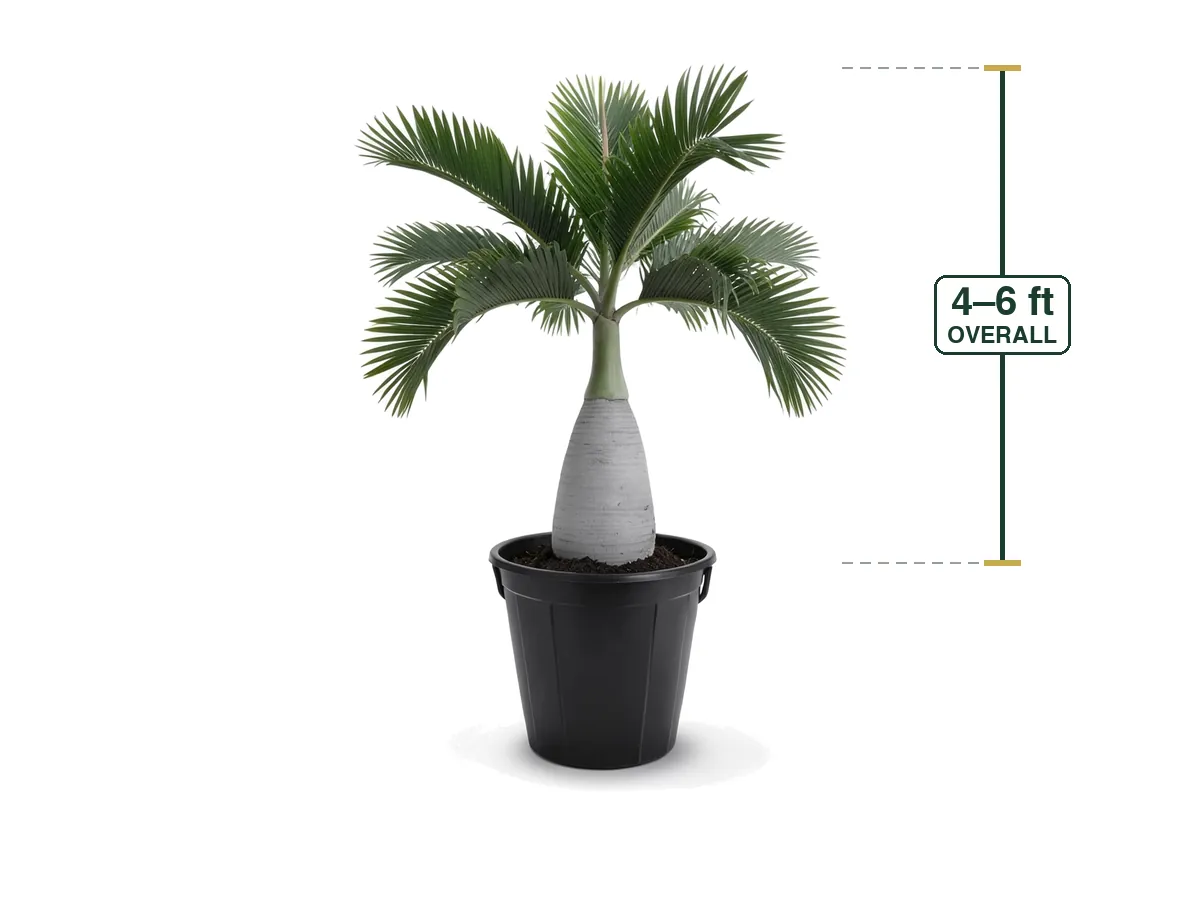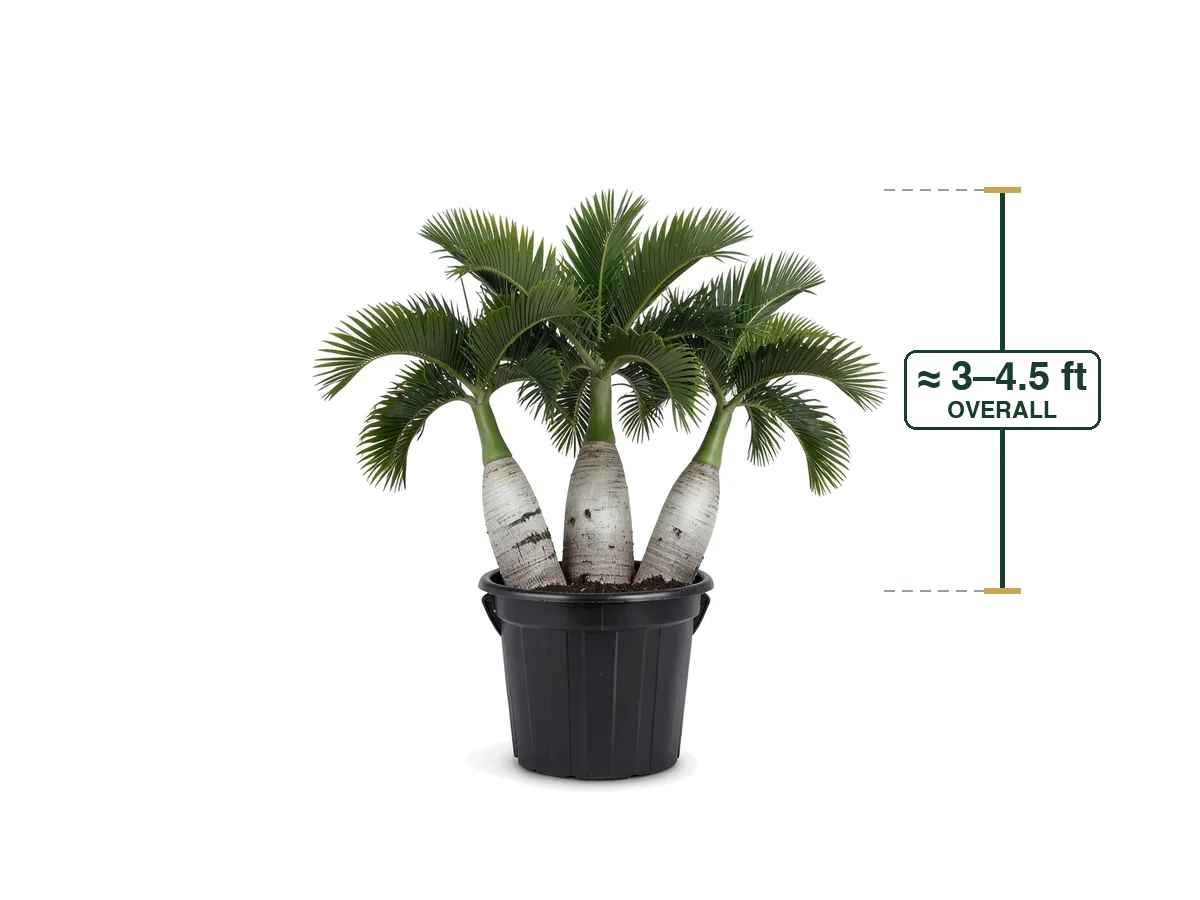
Are you considering adding a touch of elegance to your Cape Coral landscape with a bottle palm? Discover everything you need to know about installing these stunning tropical palms and how to care for them in the unique conditions of Southwest Florida.
Why Choose Bottle Palms for Your Cape Coral Landscape?
Bottle palms are a popular choice for many homeowners and landscapers in Cape Coral due to their distinctive shape and elegant appearance. Native to the coastal areas of Madagascar, these palms thrive in the warm, humid climate of Southwest Florida. With their unique bottle-like trunks and lush green fronds, they offer a tropical flair that can enhance any property.
- ✓Adds aesthetic appeal to your landscape
What to Expect During the Bottle Palm Installation Process
Installing bottle palms in Cape Coral involves several steps, each crucial for ensuring your new plants thrive. From selecting the right location and preparing the soil to planting and initial care, we will guide you through the process.
Selecting the Ideal Location
Choose a spot that receives plenty of sunlight but is also protected from strong winds. Cape Coral's coastal breezes can be harsh on young palms, so make sure your chosen location provides some shelter. Additionally, ensure there is enough space for the bottle palm to grow without encroaching on other plants or structures.
Preparing the Soil
Bottle palms prefer well-draining soil that is rich in organic matter. Before planting, amend your existing soil with compost and sand to improve drainage and nutrient content. This preparation step is vital for establishing a healthy root system that can withstand Cape Coral's rainy season.
Planting the Bottle Palm
Dig a hole twice as wide and just as deep as the palm’s root ball. Place the bottle palm in the center of the hole, making sure it sits at the same level as it was in its original container or nursery pot. Fill in around the roots with soil mix, patting down gently to remove air pockets.
Ensure that the top of the root ball is slightly above ground level to prevent water from pooling around the base of your new palm.
Caring for Your Cape Coral Bottle Palm
Proper care after installation is crucial for the long-term health and beauty of your bottle palms. Here’s how to keep them thriving in their new home:
Watering Requirements
In the initial weeks following planting, water thoroughly once a day. As your palm establishes itself, reduce watering frequency but increase depth. Cape Coral experiences periodic droughts, so be mindful of soil moisture levels and adjust accordingly.
Use a moisture meter to monitor soil conditions more accurately.
Fertilizing
Bottle palms benefit from regular fertilization with a balanced palm-specific formula high in magnesium and micronutrients. Apply fertilizer every three months during the growing season, which spans spring through summer. Adjust dosage according to your plant’s size and growth rate.
Pruning and Maintenance
Minimal pruning is needed for bottle palms, primarily to remove dead or damaged fronds that could attract pests or disease. Wait until new leaves fully unfurl before trimming old ones to avoid damaging the growing point of the palm (the bud).
Regularly inspect your palms for signs of yellowing fronds, which may indicate nutrient deficiencies or pest infestations.
Managing Common Issues in Cape Coral Bottle Palms
While bottle palms are generally hardy and low-maintenance, some common issues can arise. Knowing how to address these challenges will help you maintain healthy plants year-round:
Pest Management
Monitor your bottle palms for signs of pests such as scale insects, spider mites, or mealybugs. Early detection is key to effective control. Use horticultural oil sprays or insecticidal soaps to manage infestations before they spread.
Introduce beneficial insects like lady beetles and lacewings into your garden to help combat pest populations naturally.
Dealing with Nutrient Deficiencies
Yellowing leaves can indicate nutrient deficiencies, particularly iron or magnesium. Correct this by applying a chelated micronutrient spray or incorporating sulfur to adjust soil pH if necessary. Regular fertilization will also prevent future issues.
Conduct a soil test before amending nutrients to ensure you address specific deficiencies accurately.
Frequently Asked Questions About Bottle Palm Installation in Cape Coral
| Q: How much does it cost to install bottle palms in Cape Coral?
| A: Prices vary depending on tree size, number of plants, and installation complexity. Contact Florida Palm and Plant Co. for a personalized quote tailored to your needs.
| Q: What's the best time of year to plant bottle palms in Cape Coral?
| A: Spring and early summer are ideal times due to favorable weather conditions that promote root growth without overwhelming heat stress.
| Q: Can I grow bottle palms indoors if I live in a cooler part of Cape Coral?
| A: While possible, indoor cultivation requires special care with artificial lighting and high humidity levels. Outdoor planting is recommended for optimal growth.
Ready to Add Bottle Palms to Your Cape Coral Landscape?
Bringing home bottle palms from Florida Palm and Plant Co. means you're not only enhancing your property but also gaining access to expert advice on care, maintenance, and landscaping solutions tailored specifically for Southwest Florida's unique climate. For more information or a free quote, visit our website at palmandplantco.com or call us today at (239) 799-5594.