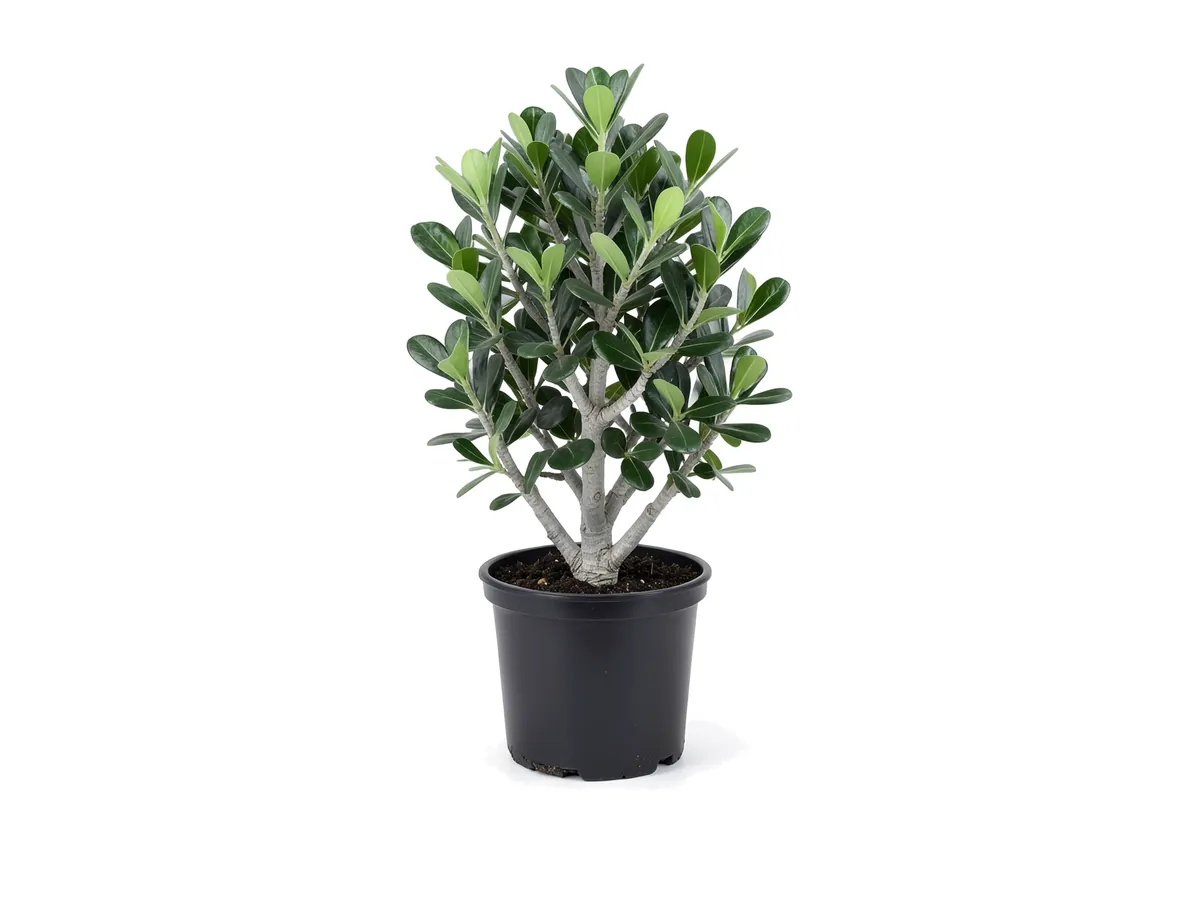
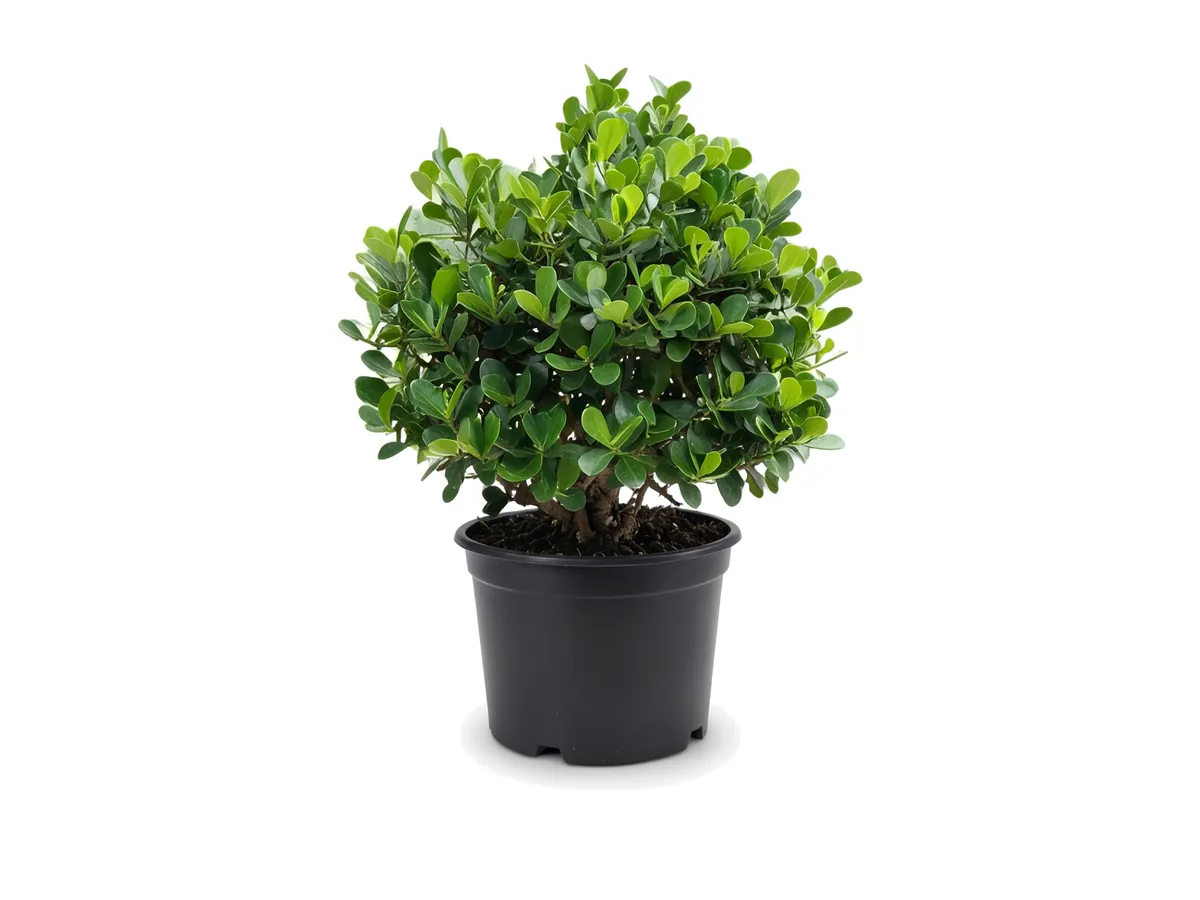
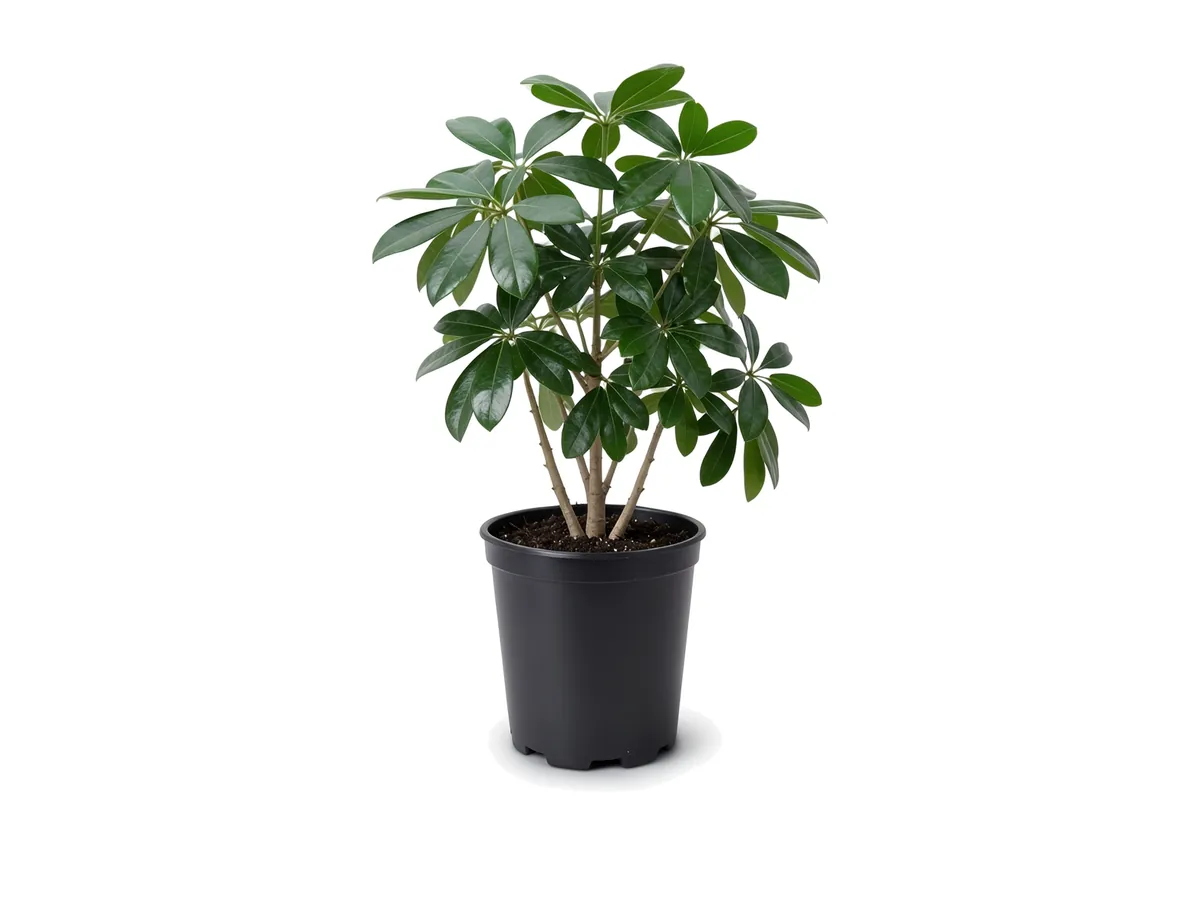
Creating a lush, dense privacy hedge in Estero, Florida, can be a rewarding project that enhances both the beauty and value of your property. Clusia hedges are an excellent choice for homeowners looking for a low-maintenance, resilient solution that thrives in Southwest Florida's unique climate.
Soil Considerations for Clusia Hedges
Clusia plants are adaptable but perform best in well-draining soil. In Estero, where soil can vary from sandy to clay-based, it's essential to ensure your planting area has good drainage to prevent root rot.
- ✓Choose a location with loose, sandy soil for optimal growth.
- ✓If your soil is heavy or clay-like, consider amending it with organic matter such as compost to improve drainage.
- ✓Avoid planting clusia in areas where water tends to pool after rain.
For more information on soil preparation and clusia hedge costs, visit our guide on clusia hedge cost.
Salt Tolerance and Coastal Living
Estero is located near the Gulf Coast, and salt spray from the ocean can affect plant health. Clusia hedges are relatively salt-tolerant, making them a great choice for properties near the water.
- ✓Plant clusia at least 20 to 30 feet away from the ocean to avoid excessive salt exposure.
- ✓Regularly rinse the foliage with fresh water during high-salt periods to reduce damage.
- ✓Avoid using harsh chemical fertilizers that can increase salt buildup in the soil.
If you're unsure about your property’s salt exposure, consult our product page for clusia plants.
Heat and Sun Exposure
Clusia hedges thrive in the warm, sunny climate of Southwest Florida. However, it's important to manage their exposure to intense sunlight, especially during the hottest months.
- ✓Plant clusia in full sun, but provide some afternoon shade if possible to prevent leaf scorch.
- ✓Water regularly during the peak of summer to keep the root zone cool and moist.
- ✓Mulch around the base of the plants to retain moisture and regulate soil temperature.
Managing Rainy and Dry Seasons
Southwest Florida experiences both wet and dry seasons, and clusia hedges need proper care during each. During the rainy season, ensure proper drainage to prevent root rot, and during dry periods, provide consistent moisture.
- ✓During the rainy season (May to October), avoid overwatering and ensure the planting area has good drainage.
- ✓In the dry season (November to April), water deeply once a week to keep the soil consistently moist.
- ✓Monitor the plants for signs of stress, such as yellowing leaves, which may indicate either over or under watering.
HOA Rules and Lee County Norms
In Estero, many neighborhoods are governed by Homeowners Associations (HOAs), and some may have specific rules about landscaping. It's important to be aware of these regulations before planting a clusia hedge.
- ✓Check with your HOA for any restrictions on plant height, width, or species.
- ✓Some HOAs may require a permit for planting new hedges or may have specific guidelines for maintenance.
- ✓Clusia hedges are generally well-received due to their low maintenance and attractive appearance.
For help navigating HOA requirements and plant selection, request a quote from our team.
Call to Action
Ready to transform your yard with a beautiful, low-maintenance clusia hedge? We're here to help you every step of the way. Whether you need advice on the best planting practices or want to schedule a delivery and planting service, our team is ready to assist. Get in touch with us today to start your project. Call (239) 799-5594 or text (239) 763-0625 for more information.
Pest and Disease Resistance in Southwest Florida
Clusia hedges are naturally resistant to many common pests and diseases found in Southwest Florida, making them a smart choice for homeowners looking for a trouble-free landscape solution. However, it's still important to monitor for occasional issues such as scale or mealybugs, which can appear in warm, humid conditions. Regular inspections and the use of organic pest control methods, such as neem oil or insecticidal soap, can help keep infestations at bay. Additionally, ensuring good air circulation between plants by spacing them appropriately during installation can reduce the risk of fungal diseases. In Southwest Florida’s climate, maintaining a healthy clusia hedge often requires little more than routine maintenance and prompt attention to any signs of stress or infestation.
Pruning and Shaping for Estero Landscapes
Clusia hedges are highly adaptable and can be easily shaped to fit the specific needs of a property in Estero. Pruning should be done during the cooler months, typically in late winter or early spring, to encourage dense growth and maintain the desired form. For hedges that require a formal look, trimming every 4 to 6 weeks during the growing season can help maintain a neat appearance. It's also important to avoid over-pruning, as this can lead to excessive new growth that may be more susceptible to pests and diseases. Using sharp, clean tools for pruning helps prevent the spread of infection, and removing any dead or diseased branches promptly can promote overall plant health. With proper care, clusia hedges can provide a long-lasting, attractive boundary that complements any Estero landscape.
Ready to transform your yard with a beautiful, low-maintenance clusia hedge? We're here to help you every step of the way. Whether you need advice on the best planting practices or want to schedule a delivery and planting service, our team is ready to assist. get a free quote to start your project.
Related Reading From Palm and Plant Co
- ✓Sylvester Palms in Estero, Florida
- ✓Coconut Palms in Estero, Florida
- ✓Foxtail Palms in Estero, Florida
- ✓Podocarpus Hedges in Estero, Florida
- ✓Clusia Hedges for Fort Myers Homeowners