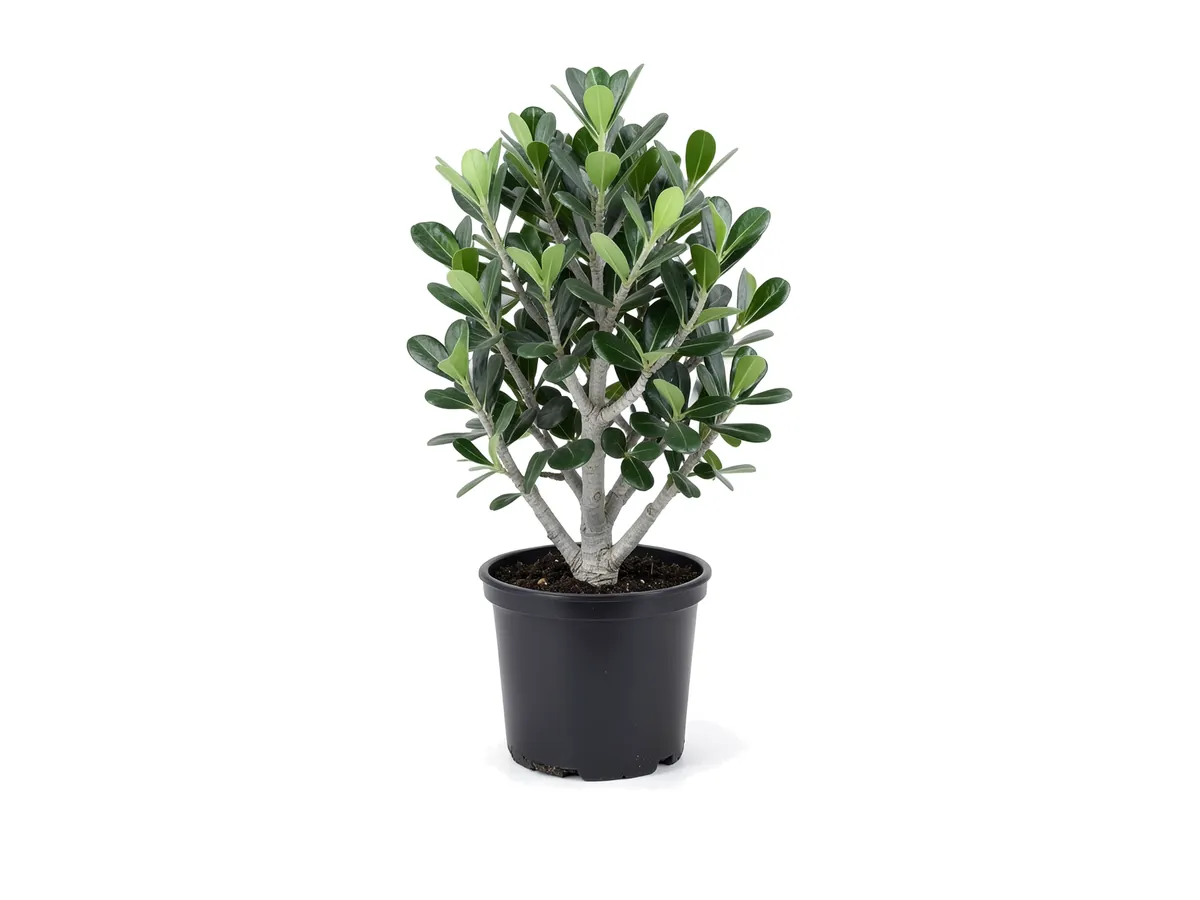
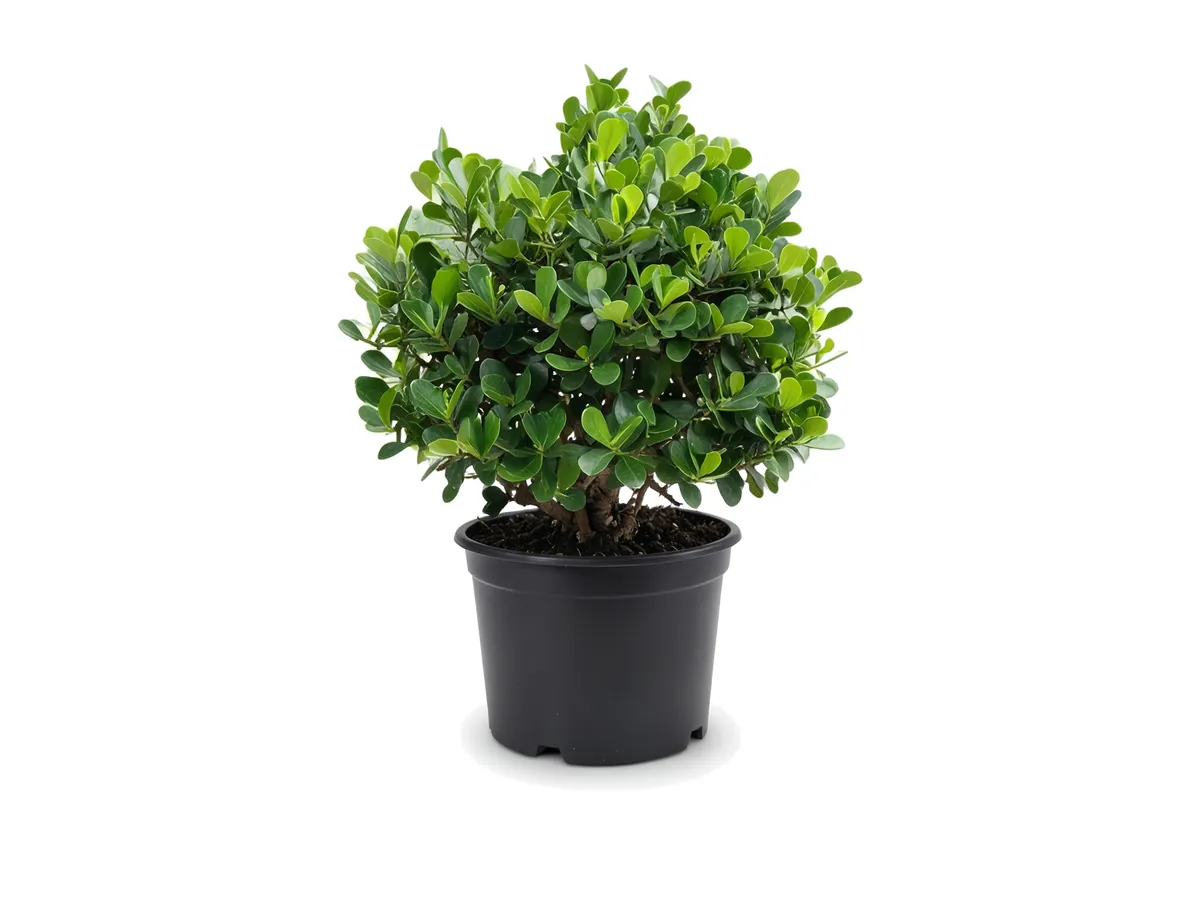
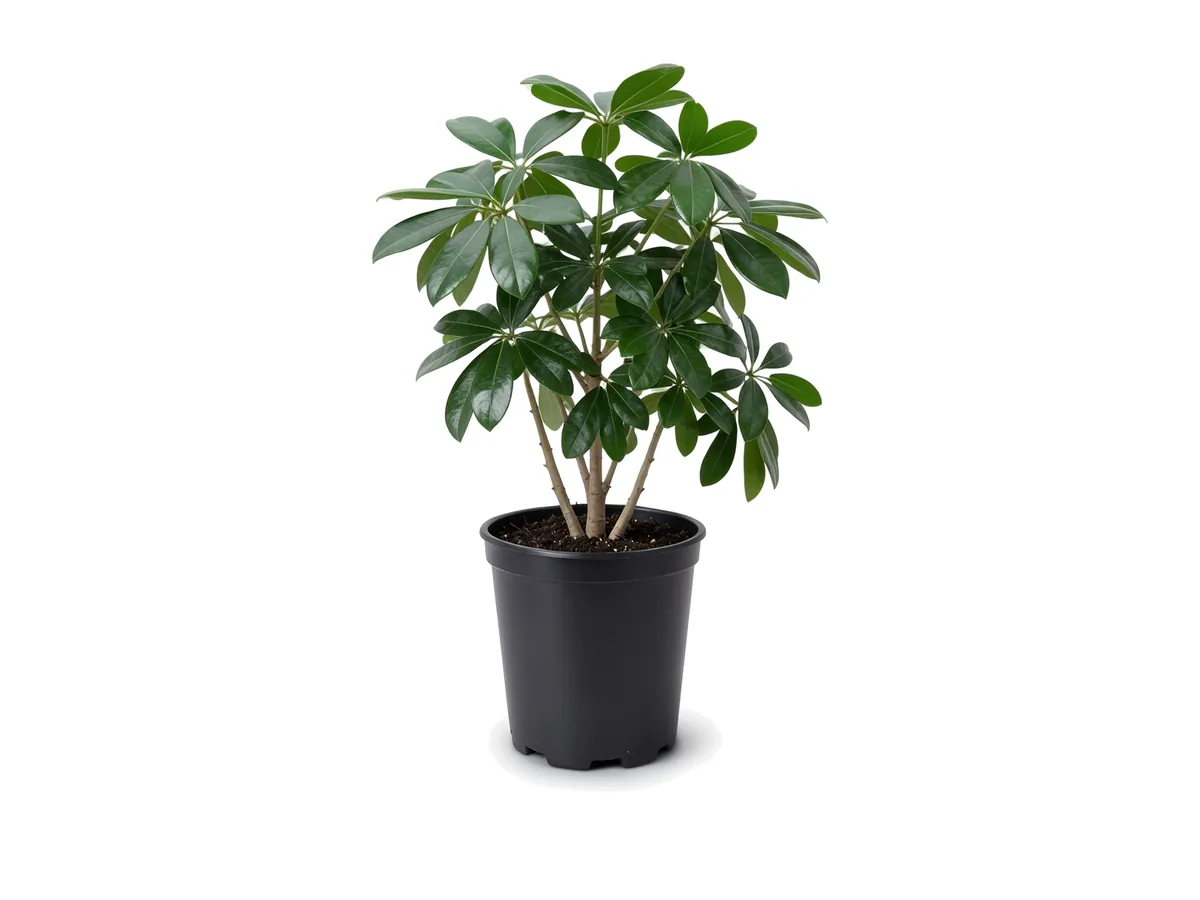
Looking for a low-maintenance, attractive hedge that thrives in Naples’ unique climate? Clusia hedges are a popular choice among SW Florida homeowners for their resilience and beauty.
Soil Considerations for Clusia Hedges
Clusia hedges are adaptable but thrive best in well-draining soil. In Naples, where soil can be sandy or clay-heavy, it’s important to ensure proper drainage to avoid root rot. Here are a few tips to prepare your soil:
- ✓Amend heavy clay soil with organic matter like compost to improve drainage and aeration.
- ✓Avoid planting in low-lying areas that collect water after rain.
- ✓Test your soil pH to ensure it’s between 6.0 and 7.5, which is ideal for clusia growth.
For more information on planting and soil preparation, visit our clusia hedge cost page.
Salt Tolerance and Coastal Living
Naples is known for its coastal lifestyle, and salt spray from the Gulf of Mexico can be a challenge for many plants. Fortunately, clusia hedges have good salt tolerance, making them a great option for properties near the beach or along the Intracoastal Waterway.
- ✓Plant clusia hedges at least 10-15 feet away from the ocean to avoid excessive salt exposure.
- ✓Regularly rinse the foliage with fresh water during high salt periods, especially during the summer months.
- ✓Choose a planting location that is sheltered from direct wind, if possible.
Heat and Drought Resistance
Clusia hedges are well-suited to Naples’ hot, dry summers and can withstand periods of drought once established. However, proper care during the initial planting phase is crucial.
- ✓Water newly planted clusia hedges regularly for the first few months to help them establish strong root systems.
- ✓During the dry season, provide deep watering every 1-2 weeks, depending on rainfall and soil conditions.
- ✓Mulching around the base of the hedge helps retain moisture and regulate soil temperature.
Rainy and Dry Season Care
Naples experiences both rainy and dry seasons, and understanding how to care for clusia hedges in each can help ensure their long-term health.
- ✓During the rainy season (typically May to October), avoid overwatering. Clusia hedges are more prone to fungal diseases in overly wet conditions.
- ✓In the dry season, maintain consistent moisture levels without allowing the soil to completely dry out.
- ✓Prune clusia hedges after the rainy season to remove any dead or diseased growth and encourage new growth.
HOA Rules and Lee County Norms
If you live in a neighborhood with an HOA, it’s important to check local guidelines before planting clusia hedges. Many HOAs in Lee County have specific rules about hedge height, width, and type.
- ✓Review your HOA’s landscaping policies to ensure clusia hedges meet height and appearance requirements.
- ✓Some HOAs may require a permit or approval before planting a new hedge.
- ✓For a more tailored approach, explore our clusia product page for details on how these hedges can be integrated into your property.
Call to Action
Ready to enhance your Naples property with a beautiful, low-maintenance hedge? Clusia hedges are an excellent choice for homeowners in SW Florida. For a personalized quote and expert advice, contact us today. Call (239) 799-5594 or text (239) 763-0625 to get started.
Pest and Disease Management in SW Florida
While clusia hedges are generally resilient, they can occasionally face challenges from pests and diseases in the SW Florida climate. Common issues include scale insects and mealybugs, which thrive in the warm, humid conditions of Naples. Regular inspection of the foliage and stems can help catch infestations early. If pests are found, applying a targeted insecticidal soap or horticultural oil can be an effective, eco-friendly solution. Additionally, ensuring good air circulation around the hedge by avoiding overcrowding and pruning as needed can reduce the likelihood of fungal infections. Keeping the area around the hedge free of debris also helps prevent disease buildup. By staying proactive and using natural, non-chemical methods when possible, homeowners can maintain the health and appearance of their clusia hedges year-round.
Pruning and Shaping for Aesthetic and Structural Health
Proper pruning and shaping are essential for maintaining the health, density, and visual appeal of clusia hedges in Naples. These hedges respond well to regular trimming, which helps control their size and shape while promoting a full, lush appearance. The best time to prune is during the cooler months, typically late winter or early spring, before new growth begins. When trimming, avoid cutting back too much at once, as this can stress the plant and make it more vulnerable to pests and diseases. For a more formal look, use clean, sharp tools to make even cuts, and always remove any dead or damaged branches. Regular shaping also improves air circulation and light penetration, which can help prevent the development of fungal issues. By incorporating pruning into your maintenance routine, you can enjoy a beautifully maintained clusia hedge that enhances the landscape of your Naples property.
Ready to enhance your Naples property with a beautiful, low-maintenance hedge? Clusia hedges are an excellent choice for homeowners in SW Florida. For a personalized quote and expert advice, get a free quote.
Related Reading From Palm and Plant Co
- ✓Sylvester Palms in Naples, Florida
- ✓Foxtail Palms in Naples, Florida
- ✓Coconut Palms in Naples, Florida
- ✓Royal Palm Care in Naples, Florida
- ✓Clusia Hedges for Fort Myers Homeowners