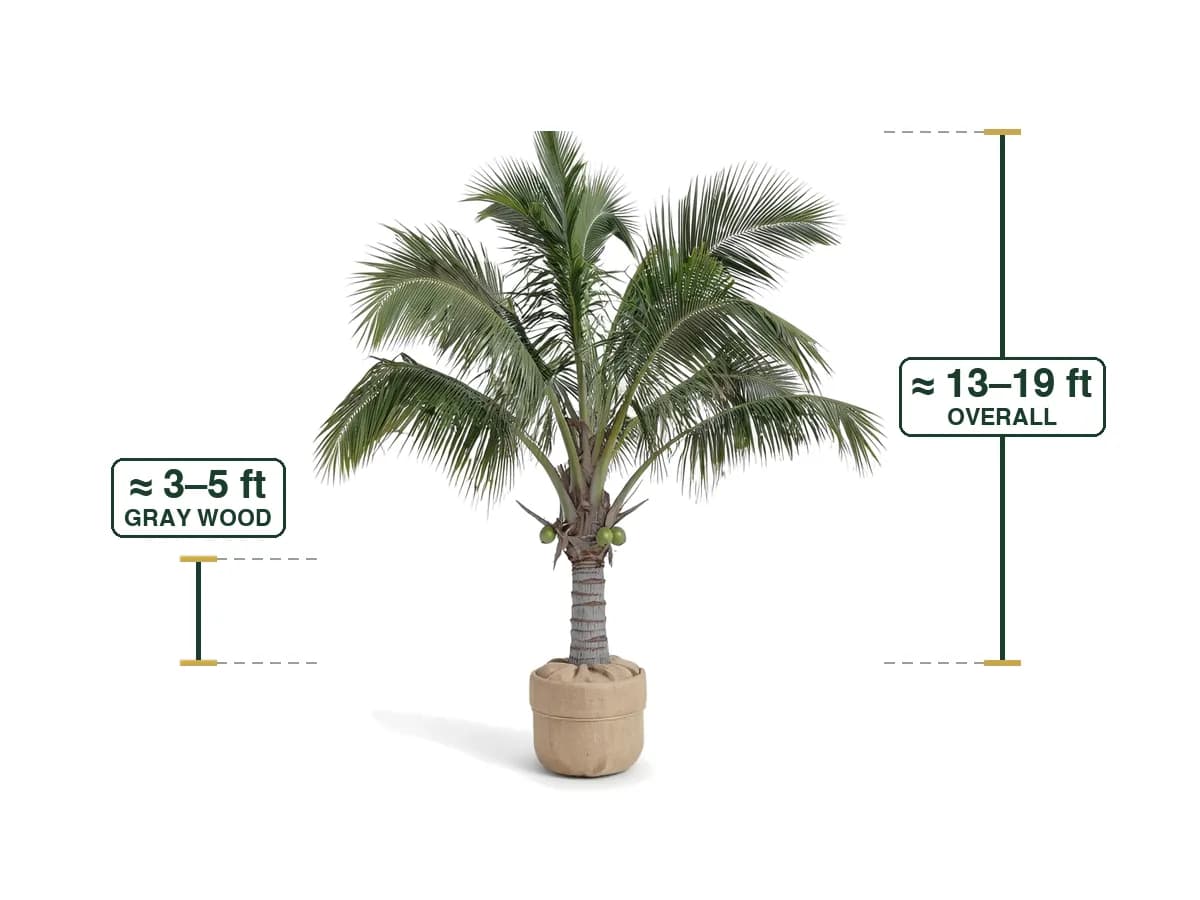
Coconut palms are a stunning addition to any Port Charlotte garden, adding a touch of the tropics right in your backyard. However, they do come with their share of challenges that can put a damper on their beauty and health. In this guide, we'll explore common coconut palm problems faced by homeowners in Port Charlotte and provide practical solutions to keep these majestic trees thriving.
Identifying Common Coconut Palm Problems in Port Charlotte
Coconut palms are popular in Port Charlotte due to the region's tropical climate, but they face several issues that can affect their health. Some of the most common problems include nutrient deficiencies, pests and diseases, improper watering practices, and environmental stressors.
- ✓Nutrient Deficiencies (Yellowing Leaves)
- ✓Pests & Diseases (Sooty Mold, Red Palm Mite)
- ✓Overwatering or Underwatering
- ✓Environmental Stress
Addressing Nutrient Deficiencies in Coconut Palms
One of the most prevalent issues with coconut palms is nutrient deficiency. Port Charlotte's sandy soil can quickly deplete essential nutrients like iron and manganese, leading to yellowing leaves, a condition known as chlorosis.
Diagnosing Chlorosis
To identify chlorosis in your coconut palm, look for pale or yellowed foliage with green veins, especially visible on the older leaves. This is a clear sign that your palm needs additional nutrients.
Use a soil test kit to determine which nutrients are lacking and apply appropriate fertilizer blends designed specifically for palms like 8-2-12+4Mg or similar formulations.
Managing Pests & Diseases in Coconut Palms
Port Charlotte's warm, humid climate is ideal not only for coconut palms but also for pests and diseases. Two common issues are sooty mold and red palm mites.
- ✓Sooty Mold - A black fungal growth that coats leaves; caused by sap-sucking insects like aphids or scale bugs
- ✓Red Palm Mite - Tiny, invasive pests that cause yellowing of new fronds
FAQs About Coconut Palm Care in Port Charlotte
Q. How often should I water my coconut palm?
A. During the hot summer months, a mature coconut palm might need watering every 2-3 days depending on rainfall and soil moisture levels. In cooler seasons, reduce watering to once per week.
Q. What's the best fertilizer for coconut palms in Port Charlotte?
A. A well-balanced palm-specific fertilizer with micronutrients like manganese and magnesium works best. Look for a product labeled 8-2-12+4Mg or similar formulation.
Q. How do I prevent overwatering my coconut palm?
A. Ensure proper drainage in the soil around your palm by adding organic matter and avoiding planting too deep. Check moisture levels regularly with a finger test before watering to avoid excess water buildup.
Final CTA
Coconut palms are an iconic part of Florida's landscape, but they need careful maintenance to stay healthy and beautiful. If you're in Port Charlotte and looking for expert advice on coconut palm care or if you want to bring home a new one from our nursery, visit us at palmandplantco.com or call (239) 799-5594 today! Our team is ready to help with all your tropical plant needs.
Related Reading From Palm and Plant Co
- ✓Top 10 Heliconia Varieties for Palm Bay, Florida
- ✓Areca Palm Landscaping Ideas for Sarasota Homes
- ✓Heliconia Landscaping Ideas for Miami Homes
- ✓Royal Palm vs Other Options for Gainesville Landscapes
- ✓Bamboo Care Guide for Palmetto Homeowners