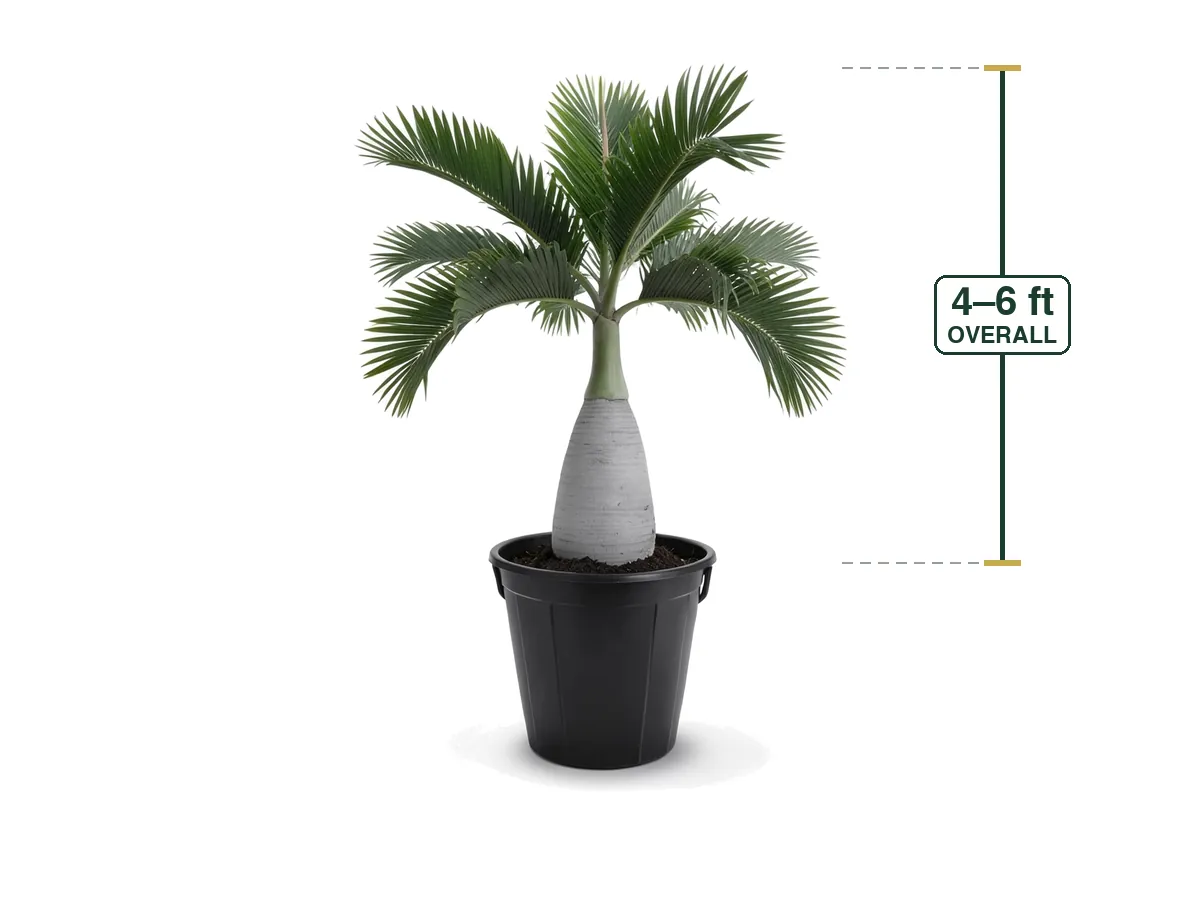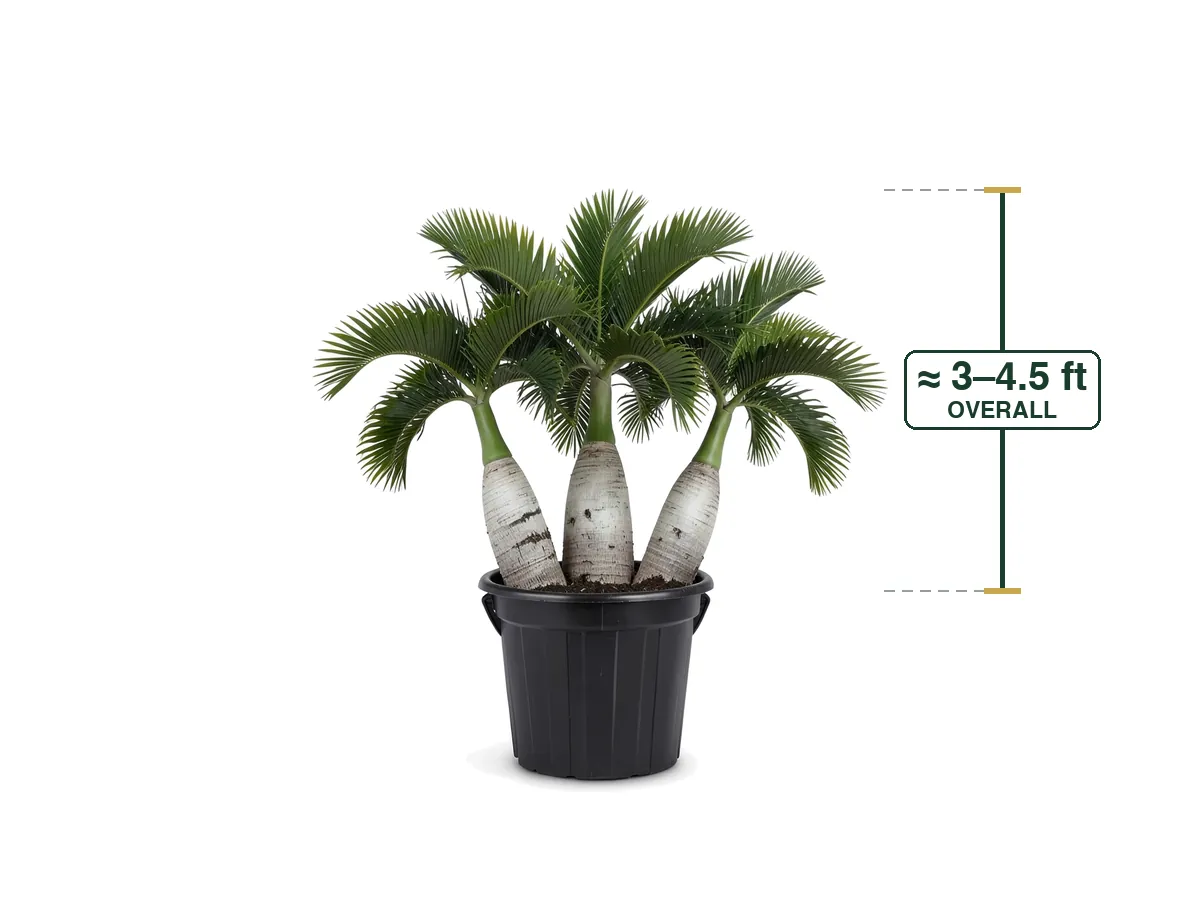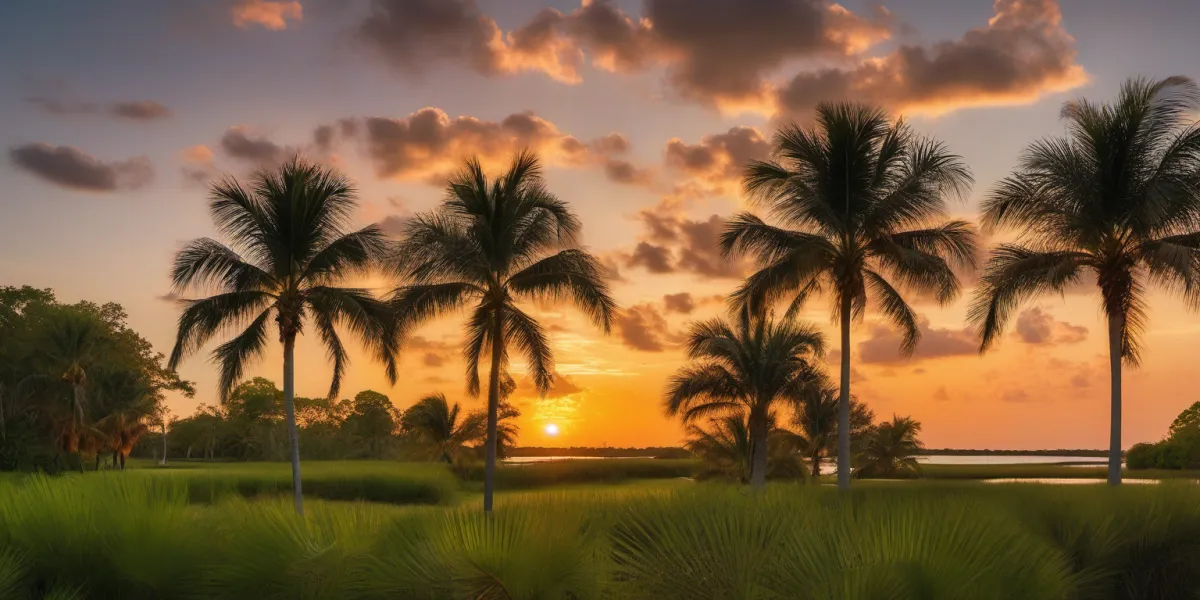
Imagine strolling along Sanibel's pristine beaches, surrounded by the majestic beauty of tropical palms swaying gently in the ocean breeze. With its unique subtropical climate, Sanibel is an ideal location to grow a variety of stunning palm species, including the beautiful Bottle Palm (Hyophorbe lagenicaulis). In this article, we'll provide you with expert advice on how to grow bottle palms in Sanibel's tropical climate.
Understanding the Climate and Soil Conditions
Sanibel's subtropical climate is characterized by high temperatures, humidity, and rainfall throughout the year. As a result, plants grown in this region require specific care to thrive. Bottle Palms are well-suited for Sanibel's climate, but they still need attention to their watering, fertilizing, pruning, and pest management needs.
When selecting a location for your bottle palm, consider its mature size (up to 20 feet tall) and spread (around 10-15 feet wide). Also, keep in mind that bottle palms prefer well-draining soil and full sun to partial shade. Sanibel's sandy soils are perfect for these requirements.
- ✓Select a location with good air circulation
- ✓Choose a spot with filtered sunlight
- ✓Use a container or raised bed for better drainage
Watering and Fertilizing Tips
Tropical plants like bottle palms require regular watering, but overwatering can be detrimental. Make sure to water your bottle palm when the top 1-2 inches of soil feels dry to the touch.
For fertilizing, use a balanced fertilizer (10-10-10 NPK) during the growing season (spring-fall). Dilute the fertilizer to half the recommended strength to avoid burning your plant's roots. Sanibel's high rainfall means you'll need to reapply fertilizers more frequently than in other regions.
Consider using organic or slow-release fertilizers to reduce the frequency of applications and promote healthy growth.
Pruning and Pest Management
Regular pruning is essential for maintaining a bottle palm's shape, promoting healthy growth, and preventing pest infestations. Remove dead fronds and weak branches, cutting them at the base with sharp pruning tools.
Keep an eye out for pests like scales, mealybugs, and spider mites, which can be common in Sanibel's tropical climate. Use neem oil or insecticidal soap to control infestations, and maintain good hygiene by removing weeds and debris around your plant.
FAQ - Frequently Asked Questions
Q: How often should I water my bottle palm?
A: Water when the top 1-2 inches of soil feels dry to the touch. Overwatering can lead to root rot, so avoid watering too frequently.
Q: Can I grow bottle palms in containers?
A: Yes, but make sure to use a large container (at least 14-16 inches deep) and a well-draining potting mix to prevent waterlogged soil.
Q: Are there any diseases that affect bottle palms in Sanibel's climate?
A: Yes, root rot and leaf spot can occur if your plant is not properly cared for. Regular inspection and good hygiene practices can help prevent these issues.
Get Expert Advice from Florida Palm and Plant Co.
Growing a healthy and thriving bottle palm in Sanibel requires attention to detail and a deep understanding of the unique climate and soil conditions. If you're new to tropical gardening or need expert advice, visit Florida Palm and Plant Co.'s nursery and installation service located in Southwest Florida. Our experienced team can guide you through every step of the process, from selecting the perfect palm species to providing ongoing care and maintenance. Visit our website at palmandplantco.com or call (239) 799-5594 today!
Related Reading From Palm and Plant Co
- ✓Where to Buy Ixora in Sanibel, FL (2026 Guide)
- ✓King Sago Care Guide for Sanibel Homeowners
- ✓How Much Does Bamboo Cost in Sanibel? Complete Price Breakdown
- ✓Bottle Palm Care Guide for Punta Gorda Homeowners
- ✓How to Grow Bird Of Paradise in Sanibel\