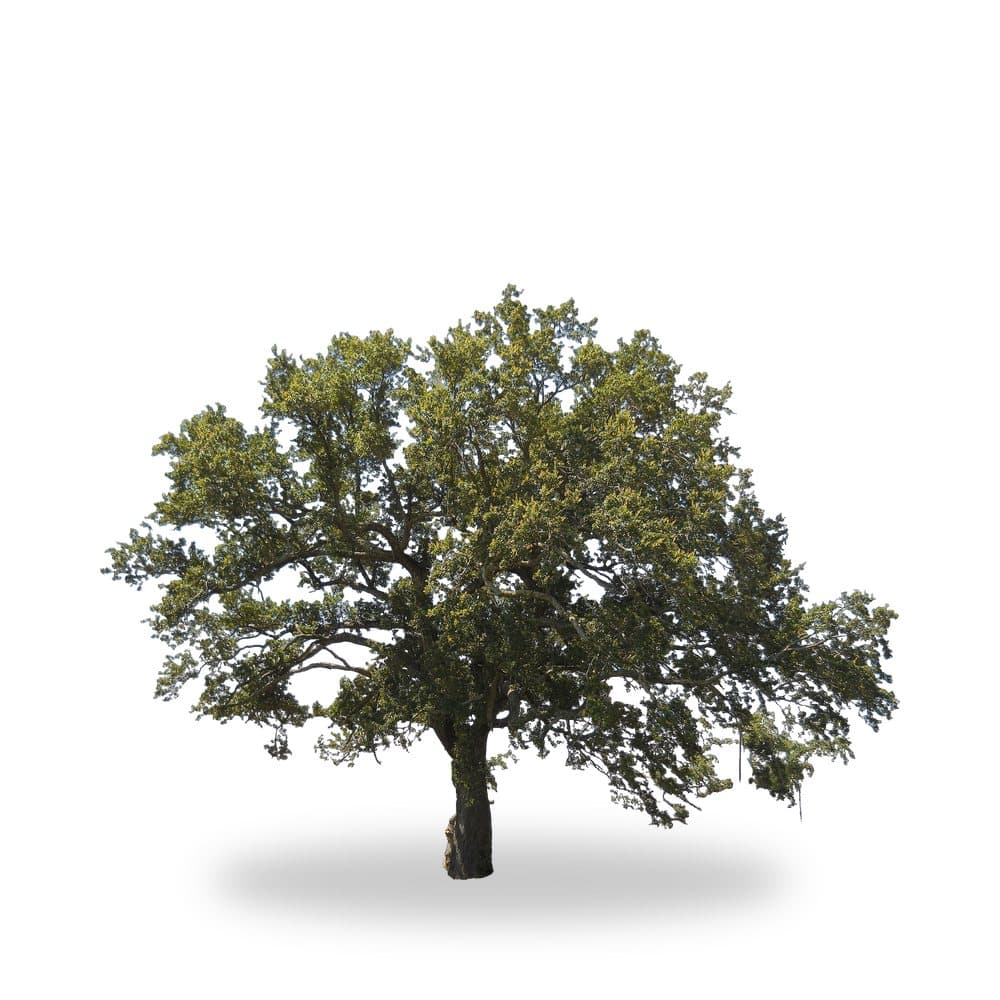
Discover the timeless charm of live oaks, a quintessential symbol of Southern elegance, perfectly suited for small Panhandle yards.
As experts in all things palm and plant-related, we've seen our fair share of landscaping trends come and go. However, there's one tree that never goes out of style: the majestic live oak (Quercus virginiana). Native to Florida's Panhandle region, this stunning tree has been a staple of Southern landscapes for centuries. In this blog post, we'll explore why live oaks make ideal unique focal points in small Panhandle yards.
A Brief History of Live Oaks
Live oaks have been an integral part of the South's cultural heritage since colonial times. These trees were highly valued by early settlers not only for their shade and beauty but also for their strength and durability. In fact, live oak wood was often used to construct ships' masts, hence the nickname "live", a nod to the tree's ability to support heavy loads.
Selecting the Perfect Live Oak
When choosing a live oak for your small Panhandle yard, consider the following factors:
- ✓Size: Live oaks can grow quite large, so ensure you have enough space to accommodate its mature size (typically 40-60 feet tall and 30-50 feet wide).
- ✓Soil type: Live oaks prefer well-drained acidic soils, making them a great choice for Panhandle yards with sandy or clay-based soil.
- ✓Climate: Live oaks are relatively drought-tolerant but perform best in areas with moderate temperatures (average high 70°F to 90°F) and moderate humidity.
Benefits of Using Live Oaks as Focal Points
Beyond their striking appearance, live oaks offer several benefits when used as focal points in small Panhandle yards:
- ✓Shade: Live oaks provide excellent shade, perfect for creating a relaxing outdoor space or cooling off from the Florida sun.
- ✓Wildlife attraction: Live oaks attract various bird species and other wildlife, adding to the aesthetic appeal of your yard.
- ✓Longevity: With proper care, live oaks can live up to 600 years or more, making them a long-term investment in your landscape.
Designing with Live Oaks
When incorporating a live oak into your small Panhandle yard design, keep these tips in mind:
> Plant multiple live oaks of varying sizes to create a sense of depth and visual interest. - Use the tree's canopy as a focal point by placing seating areas or outdoor furniture underneath its branches. - Consider incorporating other native plants with complementary foliage textures and colors to enhance the overall landscape.
Maintenance Tips for Live Oaks
To keep your live oak looking its best, follow these simple maintenance tips:
- ✓Water regularly during the first year after planting, then reduce watering to about 1 inch per week.
- ✓Fertilize annually in late winter or early spring with a balanced, slow-release fertilizer.
- ✓Prune branches as needed to maintain the tree's shape and promote healthy growth.
Common Live Oak Varieties for Small Yards
While Quercus virginiana is the most common live oak species, other varieties suitable for small Panhandle yards include:
- ✓Dwarf live oak (Quercus virginiana 'Nana'): A compact variety reaching 10-15 feet tall and wide.
- ✓Sand live oak (Quercus geminata): A smaller tree with a more rounded canopy, growing up to 20-30 feet tall.
Conclusion
As you explore the world of landscaping options for your small Panhandle yard, remember that live oaks are an excellent choice. Not only do they provide stunning beauty and unique character, but they also offer practical benefits like shade and wildlife attraction. If you're ready to bring a touch of Southern elegance to your outdoor space, contact us at (239) 799-5594 or visit our website to learn more about incorporating live oaks into your landscape design.