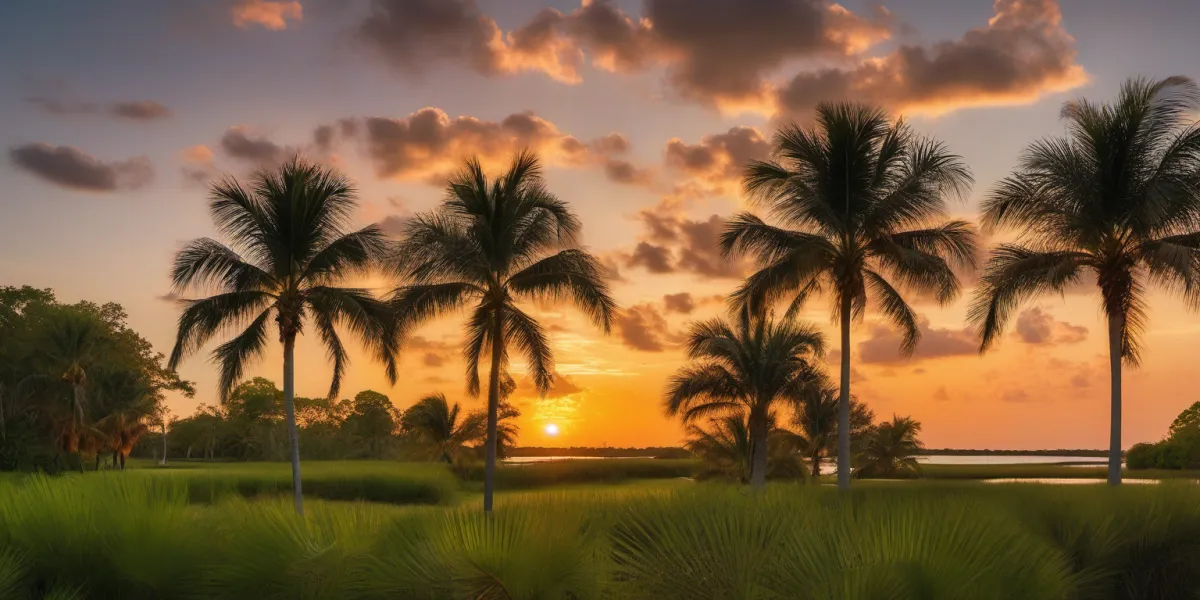
Preparing Your Tropical Garden for the Summer Monsoon Season in Southwest Florida: Tips and Tricks to Protect Your Plants
Ah, the beauty of living in Southwest Florida, warm sunshine, balmy breezes, and stunning tropical gardens. But as lovely as our region is, it's not without its challenges. The summer monsoon season can be brutal on plants, with torrential downpours, strong winds, and scorching heat. As a seasoned gardener and expert in tropical landscaping, I'm here to share my top tips and tricks for preparing your garden for the impending storms.
Understanding the Summer Monsoon Season
Before we dive into preparation tips, it's essential to understand what we're up against. The summer monsoon season in Southwest Florida typically runs from June to September, with most rain events occurring between July and August. During this time, expect:
- ✓Intense rainfall (sometimes exceeding 10 inches in a single event)
- ✓Gusty winds (up to 60 mph or more)
- ✓Sudden temperature drops
- ✓Increased risk of fungal diseases and pests
Protecting Your Plants: Tips and Tricks
Now that we've got a grasp on what's coming, let's get down to business. Here are some practical tips for safeguarding your tropical garden:
Secure Your Palm Trees
Palm trees are a staple in Southwest Florida gardens, but they can be particularly vulnerable to strong winds. To prevent damage and uprooting:
- ✓Install palm tree stakes or guy wires to anchor them firmly
- ✓Trim any weak or damaged fronds to reduce wind resistance
Mulch Like a Pro
Mulching is an excellent way to protect soil from erosion and retain moisture during dry spells. Use a 2-3 inch layer of organic mulch (such as pine straw, bark chips, or coconut husk) around plants:
- ✓Keep it 6-8 inches away from plant stems to prevent rot
- ✓Replenish as needed to maintain a consistent depth
Choose Drought-Tolerant Plants
Not all plants are created equal when it comes to withstanding the rigors of Southwest Florida's climate. Opt for species that can thrive in our hot, humid conditions:
- ✓Succulents and cacti (e.g., aloe, agave, echeveria)
- ✓Drought-tolerant shrubs (e.g., lantana, firebush, gardenia)
- ✓Tropical grasses (e.g., zebra grass, fountain grass)
Water Wisely
While it's tempting to let your plants drink their fill during rainy periods, be cautious not to overwater:
- ✓Avoid watering during the heaviest rainfall events
- ✓Use a rain gauge or smart irrigation controller to monitor soil moisture levels
Prepare Your Soil
A well-draining soil mix is essential for preventing waterlogged soil and root rot. Consider:
- ✓Adding perlite, vermiculite, or sand to improve drainage
- ✓Incorporating compost or organic matter to boost nutrient levels
Bonus Tips:
- ✓Keep an eye on weather forecasts and prepare your garden accordingly
- ✓Secure any loose outdoor furniture or decorations that could become projectiles in strong winds
- ✓Consider investing in a rain barrel or cistern to collect and store rainwater for future use
By following these tips, you'll be well-prepared to face the summer monsoon season with confidence. Remember, a little planning and preparation can go a long way in protecting your tropical garden from the fury of the storms.
At Florida Palm and Plant Co., we're dedicated to helping our customers thrive in Southwest Florida's unique climate. If you have any questions or concerns about preparing your garden for the summer monsoon season, don't hesitate to reach out. Our expert team is here to help!