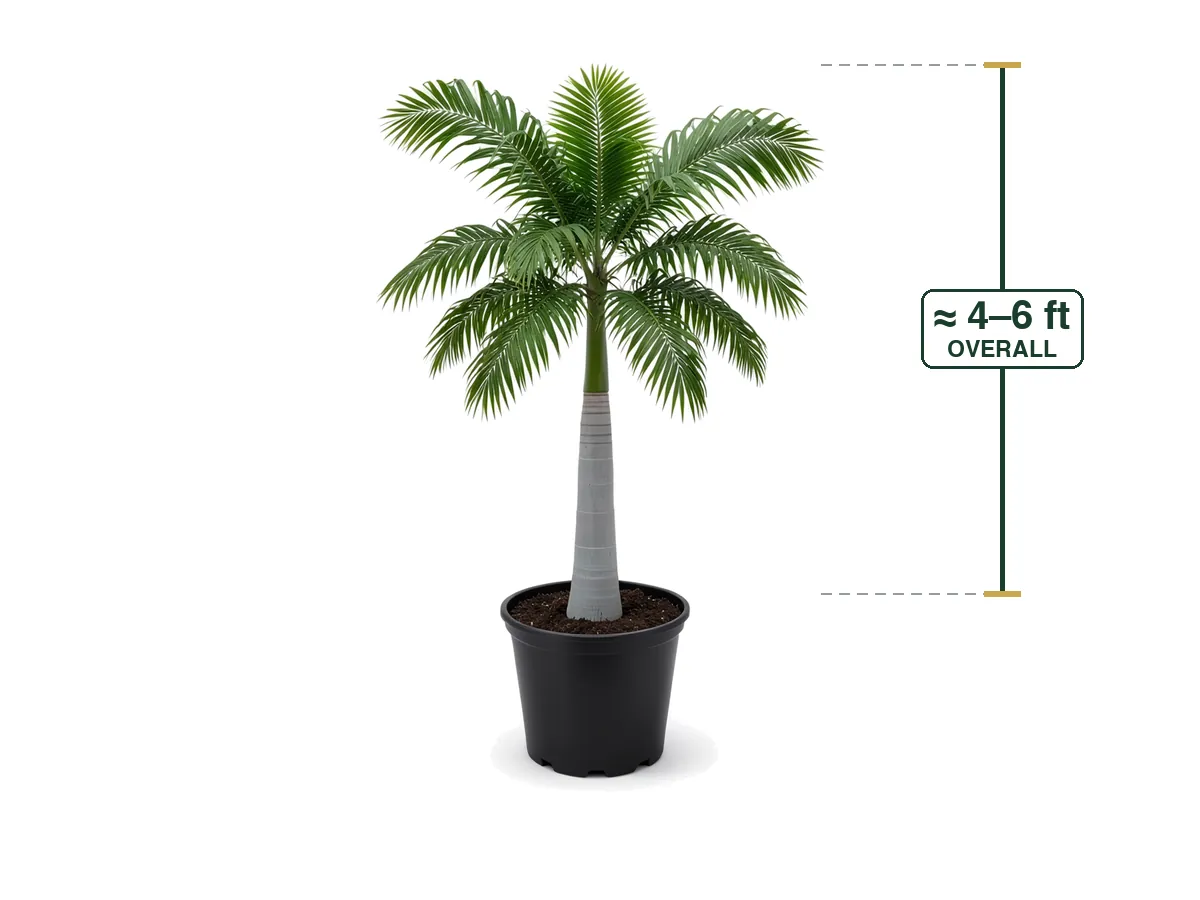
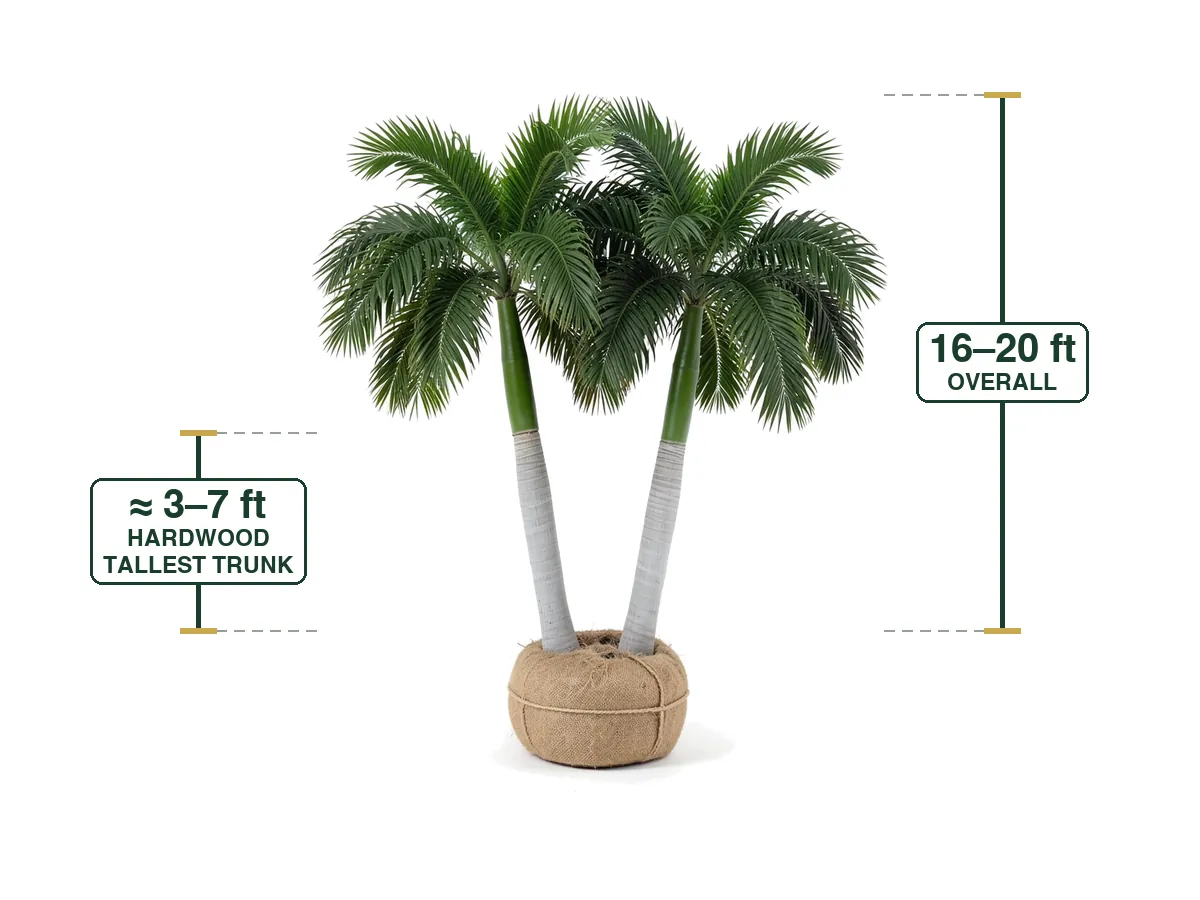
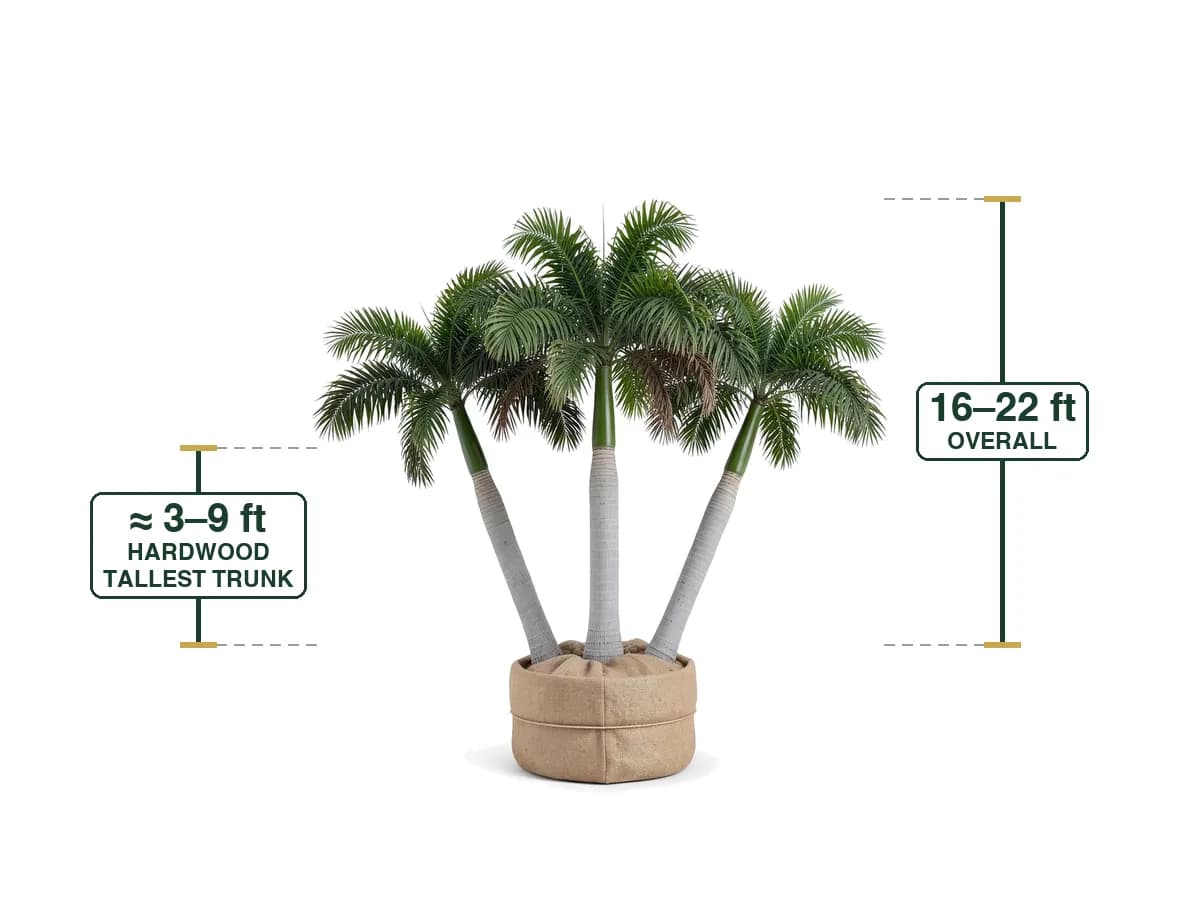
Royal palms are a popular choice for Punta Gorda homeowners looking to add a touch of tropical elegance to their landscapes. These resilient trees thrive in the Southwest Florida climate and can enhance both the curb appeal and value of your property.
Soil Considerations for Royal Palms
Royal palms prefer well-draining soil, which is common in Punta Gorda’s sandy terrain. However, it's important to avoid heavy clay or overly compacted soil, as these can lead to root rot. When planting a royal palm, ensure the soil is loose and allows for good water drainage. If your soil is too dense, consider amending it with organic matter to improve its structure. This will help the roots establish more easily and promote healthy growth.
Salt Tolerance and Coastal Living
Punta Gorda is located near the coast, and salt spray from the ocean can affect plants. Royal palms are relatively salt-tolerant, making them a good choice for properties near the water. However, prolonged exposure to high salt levels can cause leaf burn and slow growth. To help your royal palms thrive, consider planting them at least 30 to 50 feet away from the shoreline. If you're unsure about your property's salt exposure, consult a local expert for tailored advice.
Heat and Sun Exposure
Royal palms are well-suited to the hot, humid climate of Southwest Florida. They prefer full sun and can tolerate high temperatures. However, during the hottest parts of the day, it's a good idea to provide some afternoon shade, especially for newly planted palms. This can help reduce stress on young trees and promote faster establishment. Mature royal palms, however, can handle direct sunlight without issue.
Managing Rainy and Dry Seasons
Punta Gorda experiences distinct rainy and dry seasons, which can affect the health of your royal palms. During the dry season, ensure your palms receive enough water, especially if they are newly planted or in a sandy area with poor water retention. Deep, infrequent watering is better than frequent shallow watering. During the rainy season, avoid overwatering, as this can lead to root rot. A well-draining soil and proper planting depth are key to managing moisture levels effectively.
HOA Rules and Planting Permits
If you live in a neighborhood with a Homeowners Association (HOA), it's important to check their rules before planting a royal palm. Some HOAs have specific guidelines regarding tree types, sizes, and placement. You may also need a permit to plant or remove trees on your property. Before purchasing or planting a royal palm, review your HOA's covenants and restrictions. If you're unsure, contact your HOA office or consult with a local landscaping professional for guidance.
Lee County Norms and Local Expertise
In Lee County, royal palms are a common sight in both residential and commercial landscapes. They are favored for their height, beauty, and ability to withstand the local climate. When selecting a royal palm for your property, consider consulting with a local nursery or landscaping company that understands the specific needs of Punta Gorda’s environment. Local experts can help you choose the right size, location, and care routine for your palm.
If you're interested in learning more about the cost of installing a royal palm or purchasing one, you can find pricing details here. For more information about the royal palm itself, visit our product page. To get a customized quote for your property, contact us here.
Call (239) 799-5594 or text (239) 763-0625 to speak with a local expert and get started on your royal palm project today.
Soil Preparation and Drainage in SW Florida
Proper soil preparation is essential for the long-term health of royal palms in Punta Gorda. The region’s sandy soil can be challenging for plants that require consistent moisture, but royal palms are generally adaptable. When planting, ensure the soil is loose and well-draining to prevent water from pooling around the roots, which can lead to rot. If your soil is particularly sandy or compacted, consider amending it with organic matter such as compost or peat moss to improve water retention and nutrient content. Avoid heavy clay soils, as they can restrict root growth and drainage. For best results, dig a hole that is twice as wide as the root ball and slightly deeper, allowing the roots to spread out naturally. This simple step can make a significant difference in the establishment and resilience of your royal palm.
Pest and Disease Management in the Florida Climate
Royal palms are generally resistant to pests and diseases, but the warm, humid climate of Southwest Florida can create conditions that attract certain insects and pathogens. Common pests to watch for include palm weevils, scale insects, and mealybugs, which can weaken the tree over time if left untreated. Regular inspections of your palm’s fronds and trunk can help catch infestations early. In the event of an infestation, consider using horticultural oils or insecticidal soaps, which are safer for the environment and surrounding plants. Fungal diseases such as bud rot can also occur, especially in areas with poor air circulation or excessive moisture. To reduce the risk, avoid overwatering and ensure your palm has adequate space for airflow. If you notice any signs of disease or pest activity, consult a local arborist or horticulturist for targeted solutions that are effective for the SW Florida climate.
If you're interested in learning more about the cost of installing a royal palm or purchasing one, you can find pricing details here. For more information about the royal palm itself, visit our product page. To get a customized quote for your property, get a free quote.
Related Reading From Palm and Plant Co
- ✓Coconut Palms in Punta Gorda
- ✓Sylvester Palms in Punta Gorda
- ✓Royal Palms in Lehigh Acres
- ✓Royal Palms in Cape Coral
- ✓Royal Palms in Fort Myers: A Homeowner\