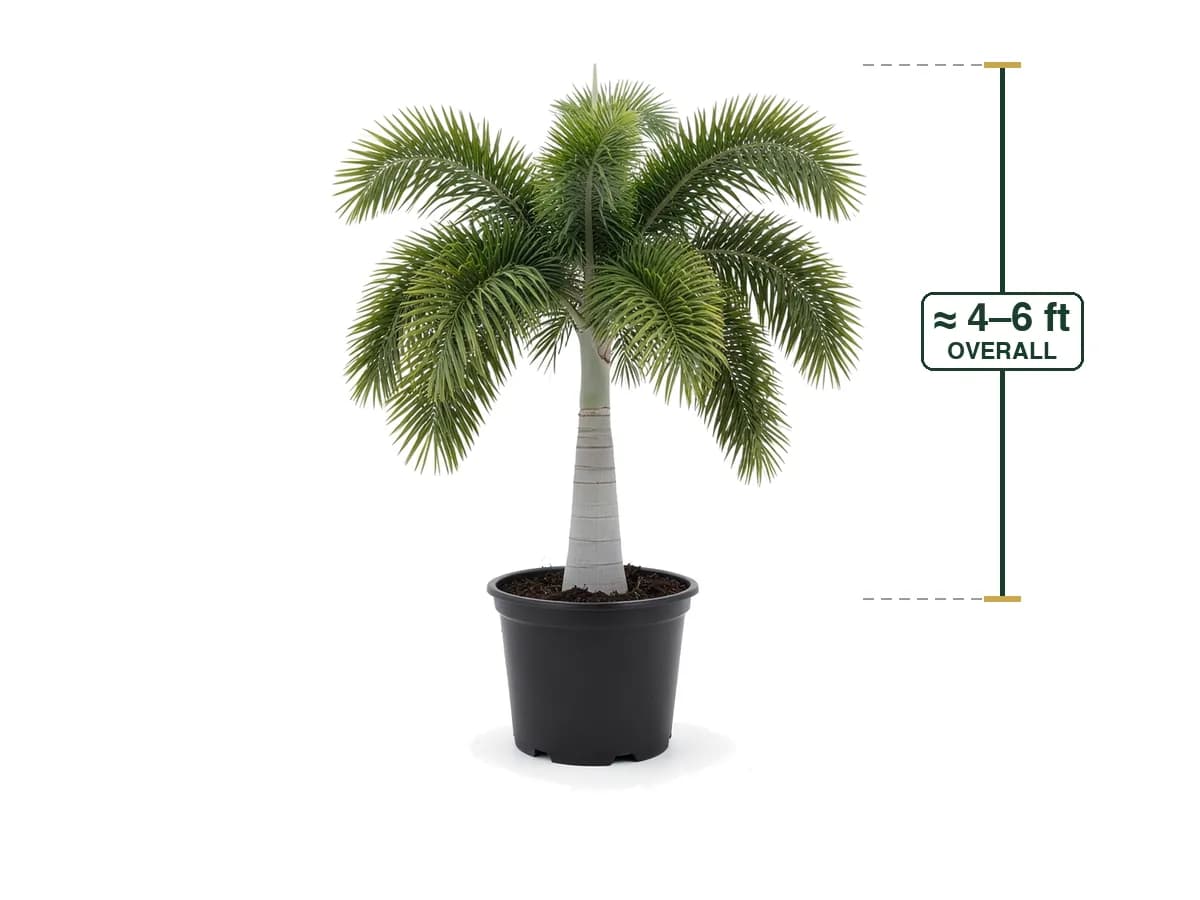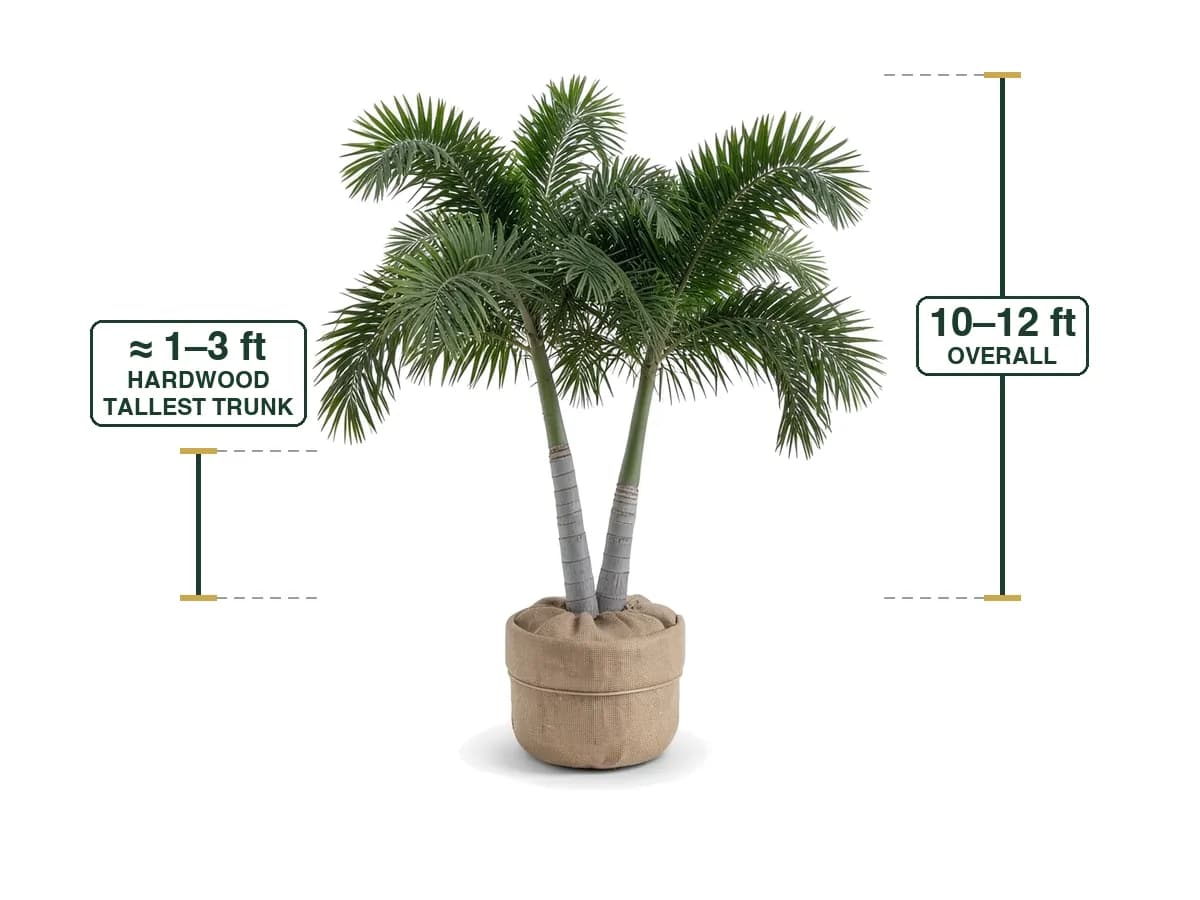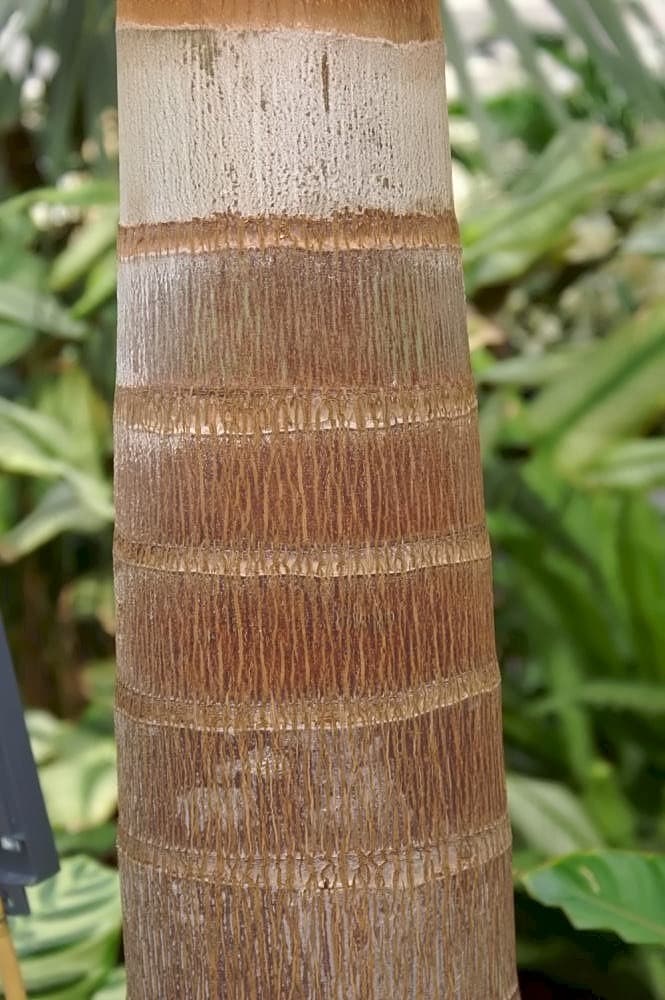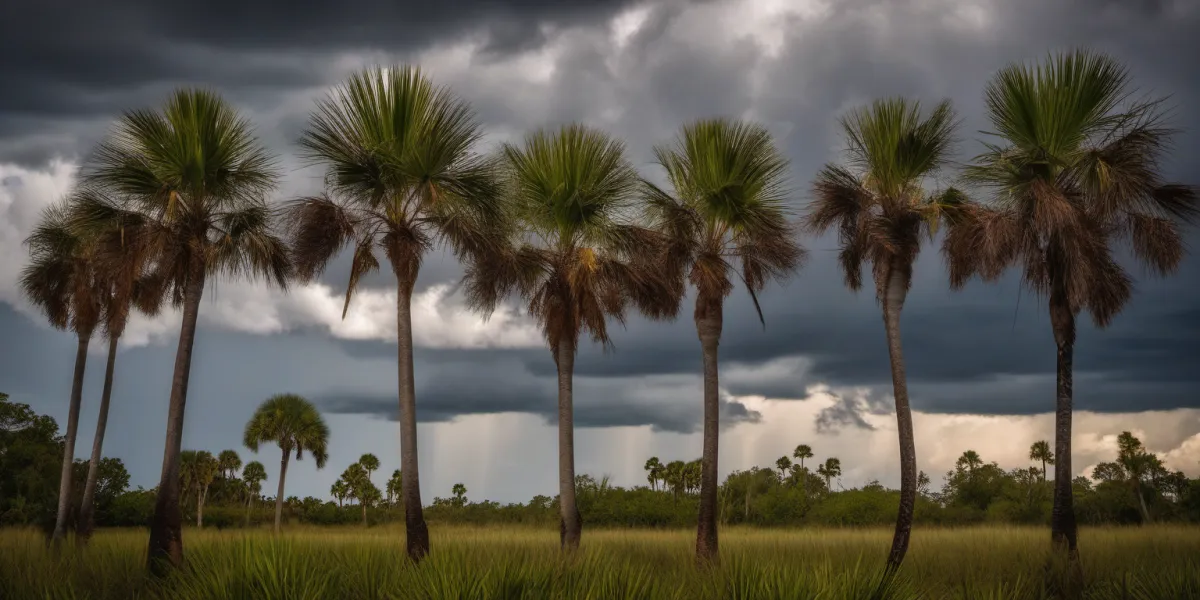
The foxtail palm (Wodyetia bifurcata) is a stunning choice for Marco Island's waterfront properties, offering a touch of elegance and resilience to coastal landscapes. Its slender trunk and delicate foliage make it an ideal addition to any garden.
Why the Foxtail Palm Thrives in Marco Island
The foxtail palm is a popular selection among homeowners and landscapers on Marco Island due to its natural tolerance for salt spray, high temperatures, and sandy soil. This palm thrives in USDA Zone 10b, which covers much of southwest Florida, including Marco Island.
- ✓*Adaptable to full sun exposure
| *Salt-tolerant foliage withstands coastal breezes
| *Established roots require minimal care once mature
Planting the Foxtail Palm on Marco Island
When planting a foxtail palm in Marco Island, it's crucial to select an appropriate location. These palms prefer well-draining soil and should be situated at least 10 feet away from buildings or walkways. Ensure the planting area is free of obstacles that could impede growth.
Soil Preparation
For optimal growth in Marco Island, amend your native sandy soil with a mixture of peat moss and compost to improve nutrient retention. This will help the foxtail palm establish strong roots quickly.
If you're unsure about soil quality, consider having it tested by a local nursery or landscape service before planting.
Caring for Your Foxtail Palm in Marco Island
Once your foxtail palm is established, follow these care tips to keep it healthy and thriving:
Watering
New plantings should be watered deeply twice a week during the first year. After that, reduce watering frequency to once every two weeks unless you experience prolonged dry spells or drought conditions.
Use a soaker hose or drip irrigation system for consistent moisture and reduced evaporation.
Fertilizing
Foxtail palms benefit from regular fertilization with slow-release palm fertilizer. Apply a balanced 12-4-8 formula three times per year (spring, summer, fall) to promote lush growth.
Avoid over-fertilizing in winter when the plant is dormant.
Pruning
Prune only dead or damaged fronds from your foxtail palm. Leave healthy foliage intact as it contributes to the tree's overall health and appearance. Regular pruning may be necessary once a year during spring.
Use sharp, sanitized tools to avoid spreading disease or damaging the trunk.
Pest Management
Foxtail palms are generally resistant to pests but can attract occasional infestations of scale insects or mealybugs. Inspect your palm regularly and treat any issues promptly with neem oil spray or insecticidal soap.
Encourage beneficial predators like ladybugs in your garden to naturally control pest populations.
Frequently Asked Questions
Q1: How fast does the foxtail palm grow?
A: The foxtail palm grows relatively slowly, reaching maturity at about 20-30 feet tall and 8-10 feet wide over a period of 5 to 7 years.
Q2: Can I plant a foxtail palm in direct sunlight on Marco Island?
A: Yes, the foxtail palm prefers full sun exposure and can tolerate intense heat common in southwest Florida's climate. It will thrive when planted in an open area with no shading from nearby structures or taller trees.
Q3: What is the cost of a mature foxtail palm for Marco Island landscaping?
A: Mature foxtail palms vary in price depending on their height, diameter, and overall health. Expect to pay between $200-$500 for a well-established tree suitable for waterfront properties on Marco Island.
Transform Your Marco Island Garden with Florida Palm and Plant Co.
Ready to enhance your property's curb appeal with the elegant foxtail palm? Visit palmandplantco.com or call us at (239) 799-5594 today. Our team of experienced horticulturists is here to help you select and install the perfect palms for your Marco Island home.
Related Reading From Palm and Plant Co
- ✓Salt-Tolerant Palm Trees for Brandon Waterfront Properties
- ✓Salt-Tolerant Bismarck Palm for Dunedin Waterfront Properties
- ✓Top 10 Bottle Palm Varieties for Wesley Chapel, Florida
- ✓Low-Maintenance Areca Palm Options for St. Augustine Yards
- ✓Top 10 Coconut Palm Varieties for Bradenton, Florida