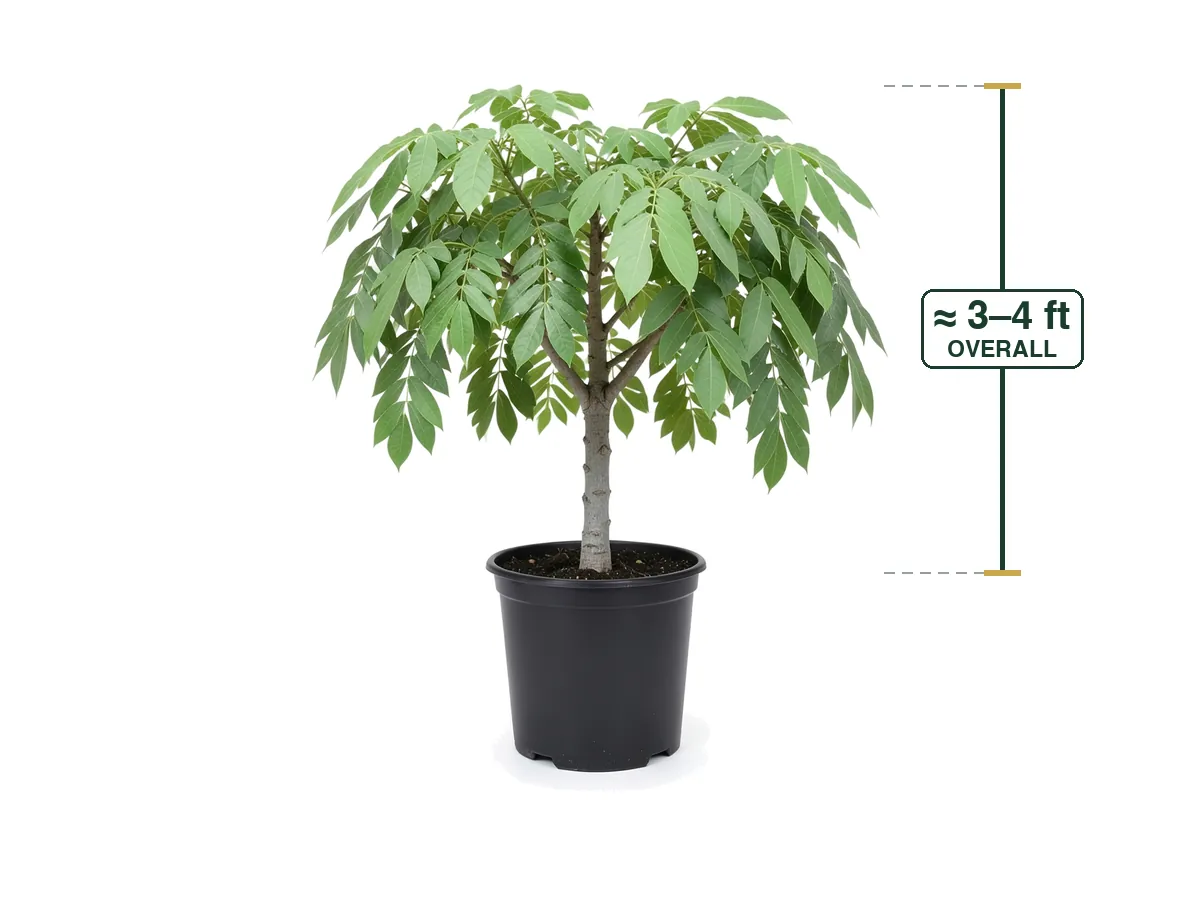
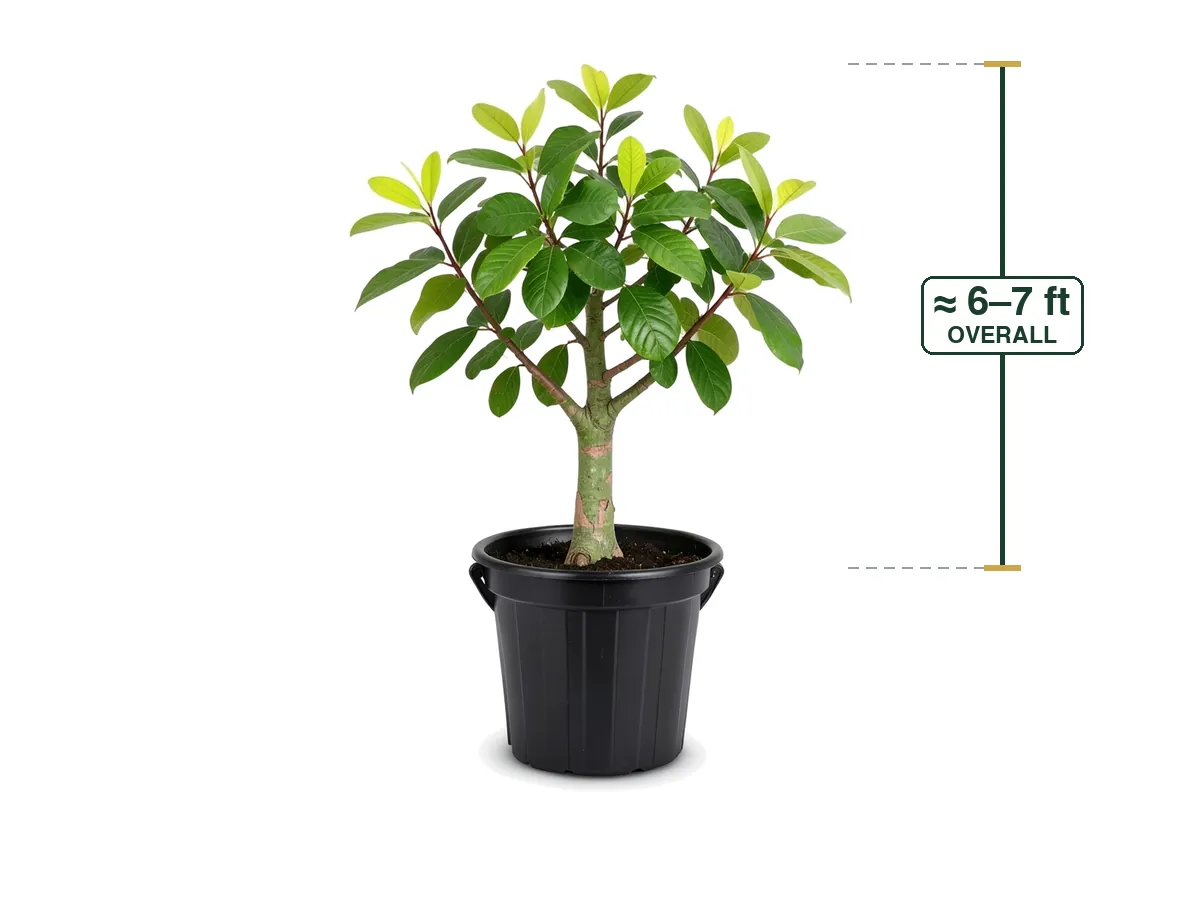
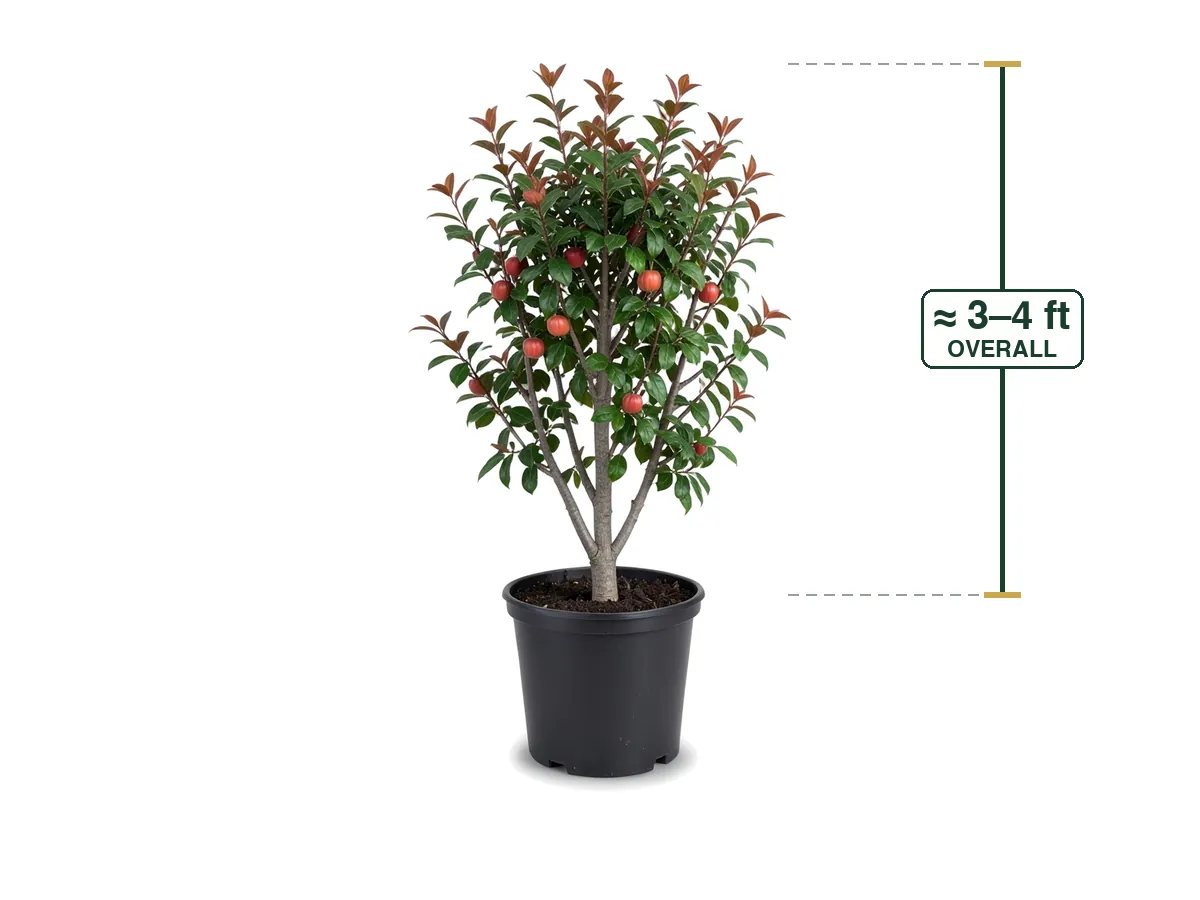
The Carambola, better known as Star Fruit, is one of SW Florida's most beautiful and prolific fruit trees. With multiple harvests each year, attractive pink-purple flowers, and glossy waxy yellow fruit that looks like it came from an exotic paradise, the Carambola is both a productive food source and a stunning ornamental tree for Cape Coral and Lee County landscapes.
Averrhoa carambola originated in Southeast Asia and has thrived in South Florida for decades. In SW Florida's warm, humid climate, established Carambola trees can fruit two to three times per year, an extraordinary productivity rate for a landscape tree. The fruit is sweet and mildly tart with a distinctive five-pointed star cross-section, and it is increasingly popular in local farmers markets and tropical fruit enthusiast circles throughout Lee County.
Sweet varieties like Arkin and Fwang Tung are the top choices for home growers in Cape Coral, offering large, sweet fruit that is excellent fresh or juiced. Carambola trees are moderate in size, typically 20-30 feet at maturity but easily maintained at 12-15 feet with pruning, making them well-proportioned for residential backyards throughout SW Florida.
Florida Palm and Plant Co. carries grafted Carambola varieties and works with many homeowners across Cape Coral and Lee County to establish these rewarding trees. Here's how to grow them successfully.
Growing Conditions for Carambola in SW Florida
- ✓Sunlight: Full sun; at least 6-8 hours per day for best fruit production
- ✓Water: Regular irrigation; does not tolerate drought as well as mango or avocado
- ✓Soil: Well-draining, slightly acidic to neutral soil; amend with compost in sandy Cape Coral soils
- ✓Fertilizer: Balanced fruit tree fertilizer (6-6-6 or 8-3-9) every 60 days during growing season
- ✓Mature Size: 20-30 feet untrimmed; prune to 12-15 feet for home gardens
- ✓USDA Zone: 10-11; cold-sensitive; protect young trees below 32°F
Planting Tips for Cape Coral & Lee County
Carambola trees are moderate in their soil and water requirements but do benefit from soil improvement at planting time in Cape Coral's sandy conditions:
- ✓Plant in the sunniest, most wind-sheltered area of the yard, Carambolas are wind-sensitive
- ✓Amend the backfill with quality compost to improve water and nutrient retention
- ✓Water every other day for the first 90 days to establish a strong root system
- ✓Fertilize starting 60 days after planting; use a fertilizer with micronutrients for tropical fruits
- ✓Mulch with 3-4 inches of wood chips to maintain soil moisture
- ✓Prune annually after harvest to maintain height and improve light penetration into the canopy
💡 Pro Tip: Carambola trees are shallow-rooted and highly wind-sensitive. In Cape Coral, where summer thunderstorms and tropical systems can bring powerful gusts, plant your Carambola in a sheltered location or near a fence or wall that blocks prevailing winds. Staking young trees for the first year also significantly reduces wind rock damage during establishment.
Common Problems & Solutions
- ✓Fruit fly damage: Use Caribbean fruit fly bait stations; harvest fruit promptly when ripe
- ✓Anthracnose on fruit: Apply copper fungicide during wet season; improve air circulation with pruning
- ✓Leaf scorch in windy, dry conditions: Increase irrigation and provide wind protection
- ✓Iron deficiency (yellowing new leaves): Apply chelated iron as a soil drench in Cape Coral's alkaline soils
Where to Use Carambola in Your Landscape
- ✓Backyard edible orchard alongside mango, avocado, and guava
- ✓Side yard or rear property planting where wind protection is available
- ✓Ornamental fruit tree near outdoor living areas where its flowers and fruit can be enjoyed
- ✓Tropical mixed border where its attractive foliage and prolific fruiting add year-round interest
Florida Palm and Plant Co. carries grafted Arkin and other premium Carambola varieties for SW Florida homeowners. With multiple harvests per year, there's no better return on a landscape investment. Call (239) 799-5594 or request a free quote online to get your Carambola tree planted this season in Cape Coral or anywhere in SW Florida.