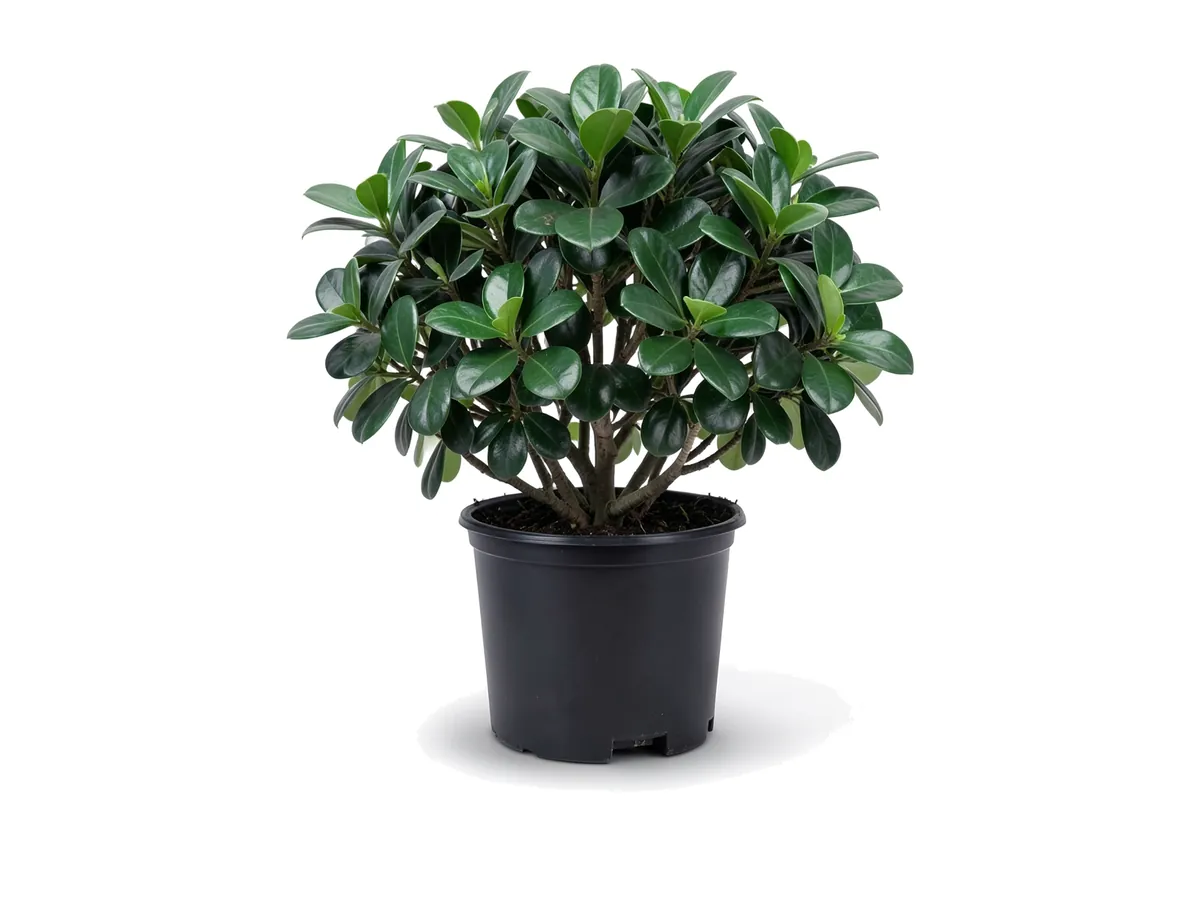
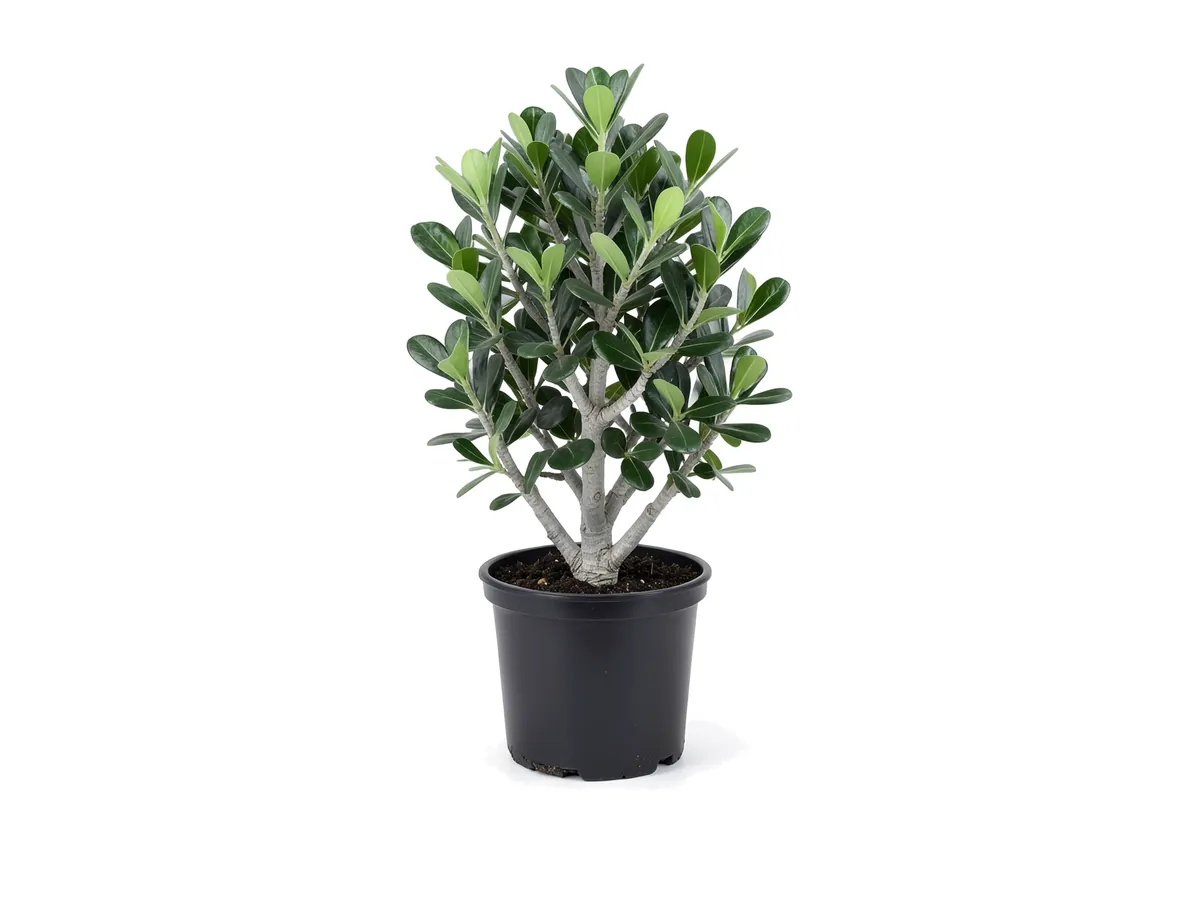
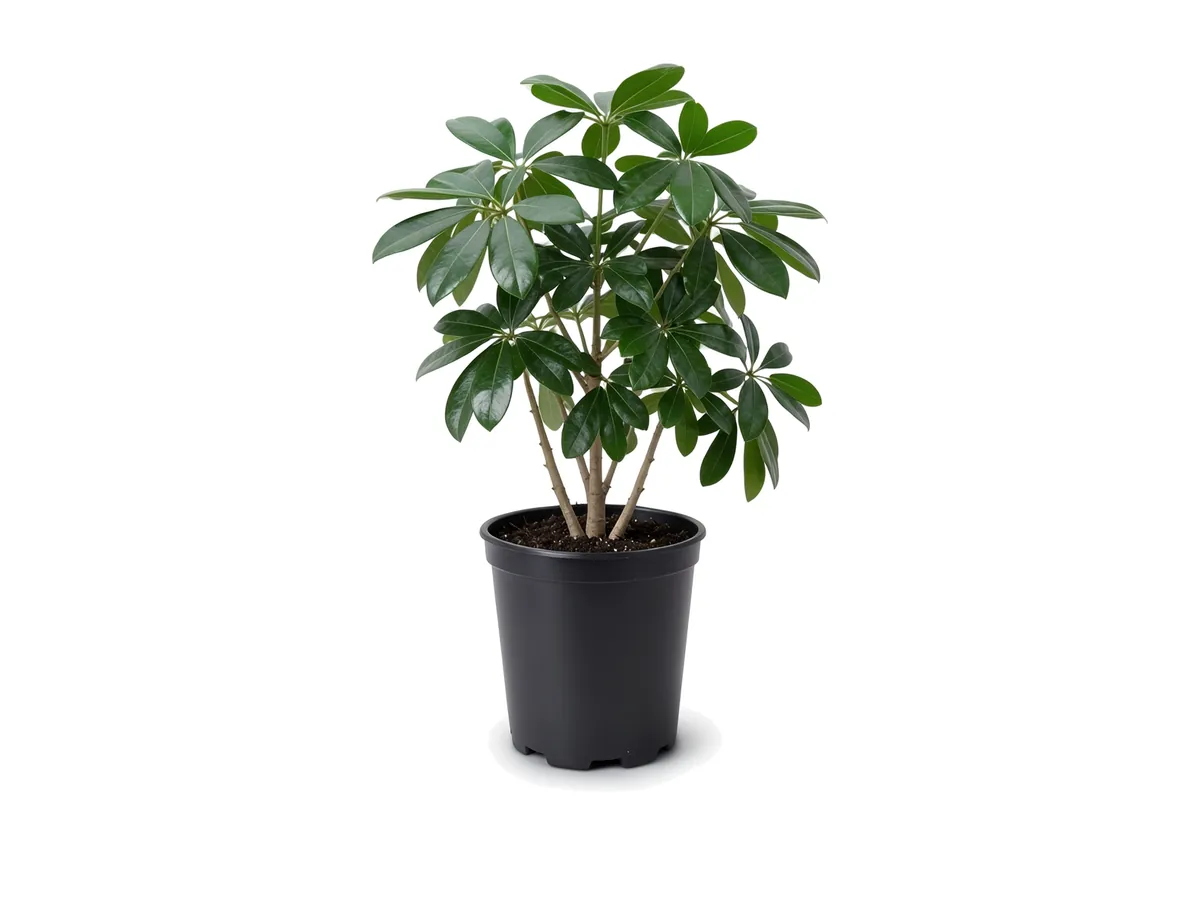
While the rest of the country struggles to keep Fiddle Leaf Figs alive indoors, SW Florida homeowners can grow these stunning plants outdoors as dramatic landscape trees. In Cape Coral's warm, humid climate, Ficus lyrata can reach 15-20 feet tall, transforming from a trendy houseplant into a true landscape showstopper.
Ficus lyrata originates from tropical West Africa, where it grows as a forest canopy tree. SW Florida's climate, warm temperatures, high humidity, and a long growing season, closely mimics those conditions. Given adequate water, well-amended soil, and protection from cold fronts, a Fiddle Leaf Fig in Cape Coral will grow faster and more vigorously than any indoor specimen could ever achieve.
Growing Fiddle Leaf Figs outdoors in SW Florida does require understanding their preferences. They dislike sudden changes in conditions, strong wind, and cold temperatures below 50°F. With the right site selection and care, however, they become one of the most impressive statement plants in any Lee County landscape.
Growing Conditions for Fiddle Leaf Fig in SW Florida
- ✓Sun: Bright indirect to full morning sun; protect from intense afternoon sun which can scorch large leaves
- ✓Water: Consistent moisture; water deeply 2-3 times per week; never let root zone completely dry out
- ✓Soil: Rich, well-draining; heavy compost amendment essential in Cape Coral sandy soils
- ✓Fertilizer: Balanced or slightly nitrogen-rich fertilizer monthly during growing season for rapid growth
- ✓Size: Outdoors in SW Florida can reach 15-25 ft; grows quickly in our warm conditions
- ✓Zone: USDA Zone 10-12; cold-sensitive; provide frost protection during rare Cape Coral cold snaps
Planting Tips for Cape Coral & Lee County
Site selection is critical for outdoor Fiddle Leaf Figs in SW Florida. Getting this right from the start prevents the most common problems these plants experience in our climate.
- ✓Choose a sheltered location protected from strong winds, large leaves are vulnerable to wind damage and desiccation
- ✓Morning sun exposure is ideal; plant on east or southeast-facing sides of structures
- ✓Amend planting holes deeply with compost, peat moss, and slow-release fertilizer for nutrient-rich root zone
- ✓Avoid low-lying areas that collect standing water during SW Florida's rainy season
- ✓Mulch 3-4 inches deep to maintain consistent soil moisture and temperature
- ✓Allow 10-15 feet clearance from structures as outdoor specimens grow considerably larger than expected
💡 Pro Tip: Fiddle Leaf Figs dislike root disturbance and moving. In SW Florida, choose your planting location carefully and leave the plant there, moving an established specimen often causes significant leaf drop and stress. Stake new plants to prevent wind rock while roots establish, typically for the first 6-12 months.
Common Problems & Solutions
- ✓Brown spots on leaves: Root rot from overwatering or bacterial infection; improve drainage and avoid wetting foliage
- ✓Leaf drop: Caused by cold temperatures, wind stress, or root disturbance; provide wind protection and consistent care
- ✓Yellowing leaves: Nutrient deficiency in sandy Cape Coral soils; apply micronutrient fertilizer and increase organic matter
- ✓Scale insects: Common in humid SW Florida conditions; treat with horticultural oil spray on all leaf surfaces
Where to Use Fiddle Leaf Fig in Your Landscape
- ✓Architectural specimen: A single large Fiddle Leaf Fig creates an unmatched focal point in any Cape Coral landscape
- ✓Courtyard planting: Protected interior courtyards provide ideal conditions, warmth, shelter, and humidity
- ✓Pool area: Dramatic backdrop plant near pools; the large leaves create beautiful reflections and shade
- ✓Lanai container: Large container specimens on covered lanais offer indoor-outdoor tropical style
Florida Palm and Plant Co. offers beautiful Fiddle Leaf Figs in a range of sizes, from starter plants to impressive specimen trees. Our team can advise on the best placement for your specific SW Florida property. Call (239) 799-5594 or get a free quote online to make this iconic plant part of your Cape Coral landscape.