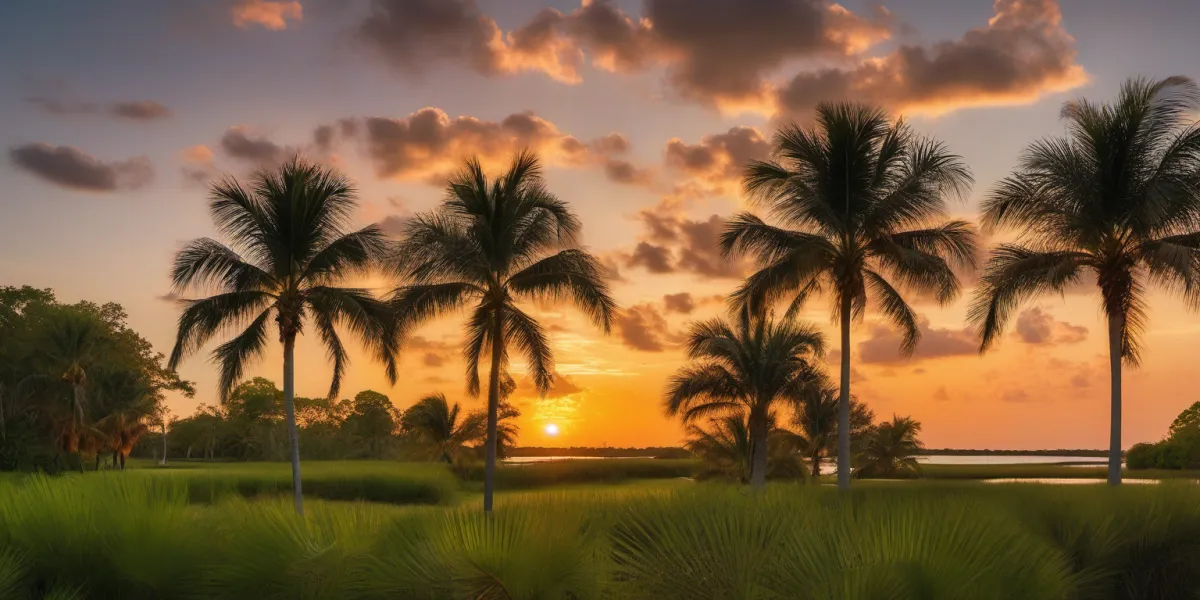
Celebrating National Pollinator Week: Tips for Creating a Butterfly-Friendly Tropical Garden in Cape Coral
As we celebrate National Pollinator Week, it's the perfect opportunity to focus on creating a haven for these beautiful creatures in our own tropical gardens. At Florida Palm and Plant Co., we're passionate about helping our customers create stunning outdoor spaces that not only thrive but also support the local wildlife. In this blog post, we'll share expert tips on how to create a butterfly-friendly tropical garden in Cape Coral that will attract these magnificent pollinators all year round.
Why Butterfly-Friendly Gardens Matter
Butterflies are some of the most iconic and beloved creatures in our gardens. Not only do they add a splash of color and vibrancy, but they also play a vital role in pollination. Without them, many plants would be unable to reproduce, and our food supply would suffer greatly. By creating a butterfly-friendly garden, we're not only supporting these incredible creatures but also contributing to the health of our ecosystem.
Choosing Butterfly-Friendly Plants
When selecting plants for your tropical garden, it's essential to choose species that attract butterflies. Some of our top recommendations for Cape Coral include:
- ✓Butterfly Weed (Asclepias tuberosa): A perennial favorite that produces bright orange flowers and is a vital food source for monarchs.
- ✓Lantana: A low-maintenance shrub that produces clusters of small, fragrant flowers that butterflies adore.
- ✓Passionflower (Passiflora spp.): A vining plant with intricate flowers that provide nectar for adult butterflies.
Tips for Creating a Butterfly-Friendly Garden
1. Plant a variety of nectar-rich flowers: Butterflies are attracted to the sweetness of nectar, so incorporate plants like hibiscus, plumeria, and heliconia into your garden. 2. Incorporate host plants: Provide host plants that caterpillars can feed on, such as milkweed for monarchs or passionflower for gulf fritillaries. 3. Create a sunny spot: Butterflies love warmth, so choose a location with full sun to partial shade. 4. Use native plants: Native plants have co-evolved with local wildlife and are more likely to attract butterflies.
Designing Your Butterfly Garden
When designing your butterfly garden, consider the following tips:
- ✓Keep it simple: Avoid over-planting, which can create competition for resources.
- ✓Choose a variety of heights: Incorporate plants that provide shelter and hiding spots for caterpillars.
- ✓Incorporate rocks or logs: Provide perches for butterflies to rest on.
Protect Your Garden from Pests
While butterflies are harmless, other pests like aphids, whiteflies, and spider mites can harm your plants. To protect your garden:
- ✓Use natural pest control methods: Try neem oil or insecticidal soap.
- ✓Encourage beneficial insects: Attract birds, wasps, and ladybugs that prey on pests.
Conclusion
Creating a butterfly-friendly tropical garden in Cape Coral is easier than you think! By incorporating the right plants, designing with butterflies in mind, and protecting your garden from pests, you'll be well on your way to attracting these magnificent creatures. Remember, every small step counts, and even a few simple changes can make a significant difference.
Get Started Today!
Visit our nursery at Florida Palm and Plant Co. to explore our extensive selection of butterfly-friendly plants. Our expert staff will be happy to guide you through the process and provide personalized advice for creating your own tropical oasis.
Happy planting, and let's celebrate National Pollinator Week in style!
[Keywords: butterfly-friendly garden, national pollinator week, cape coral, tropical landscaping, plant care]