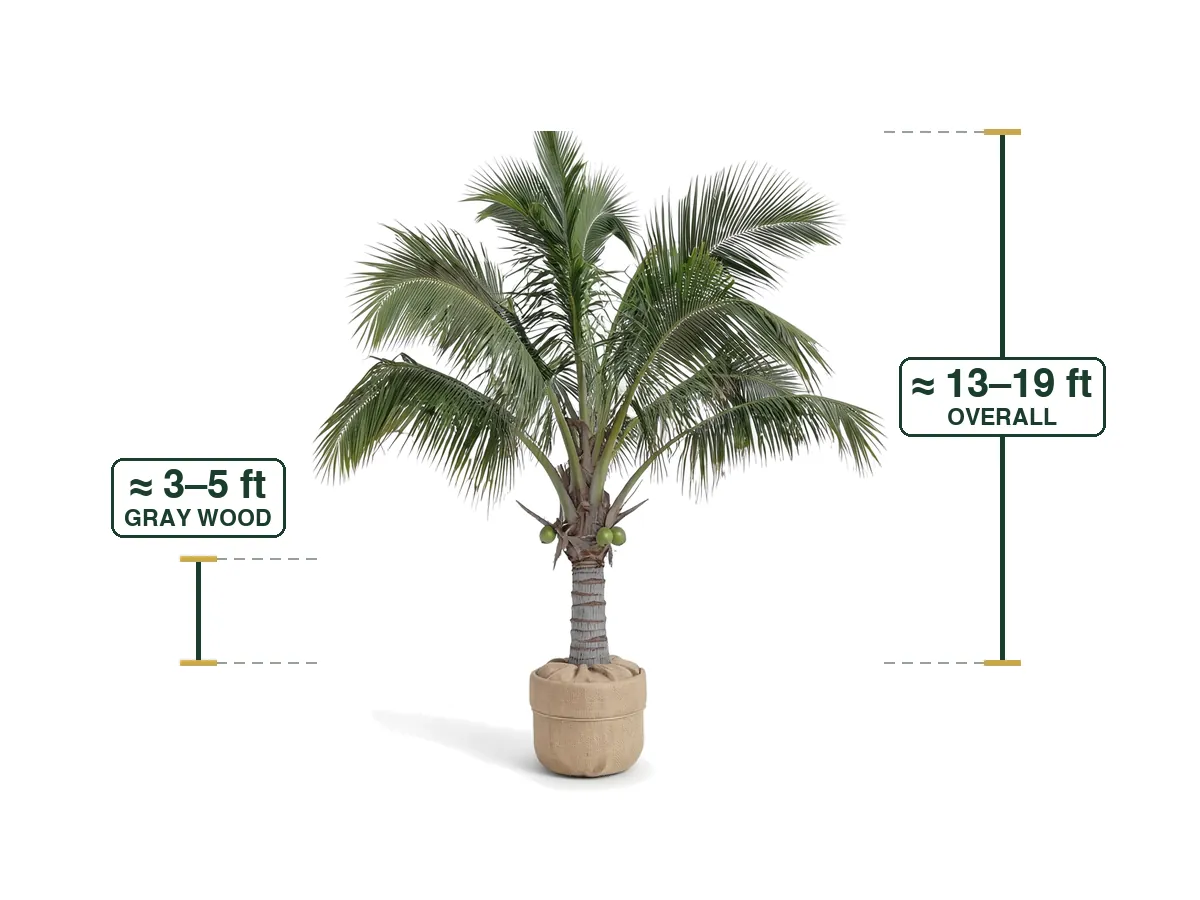
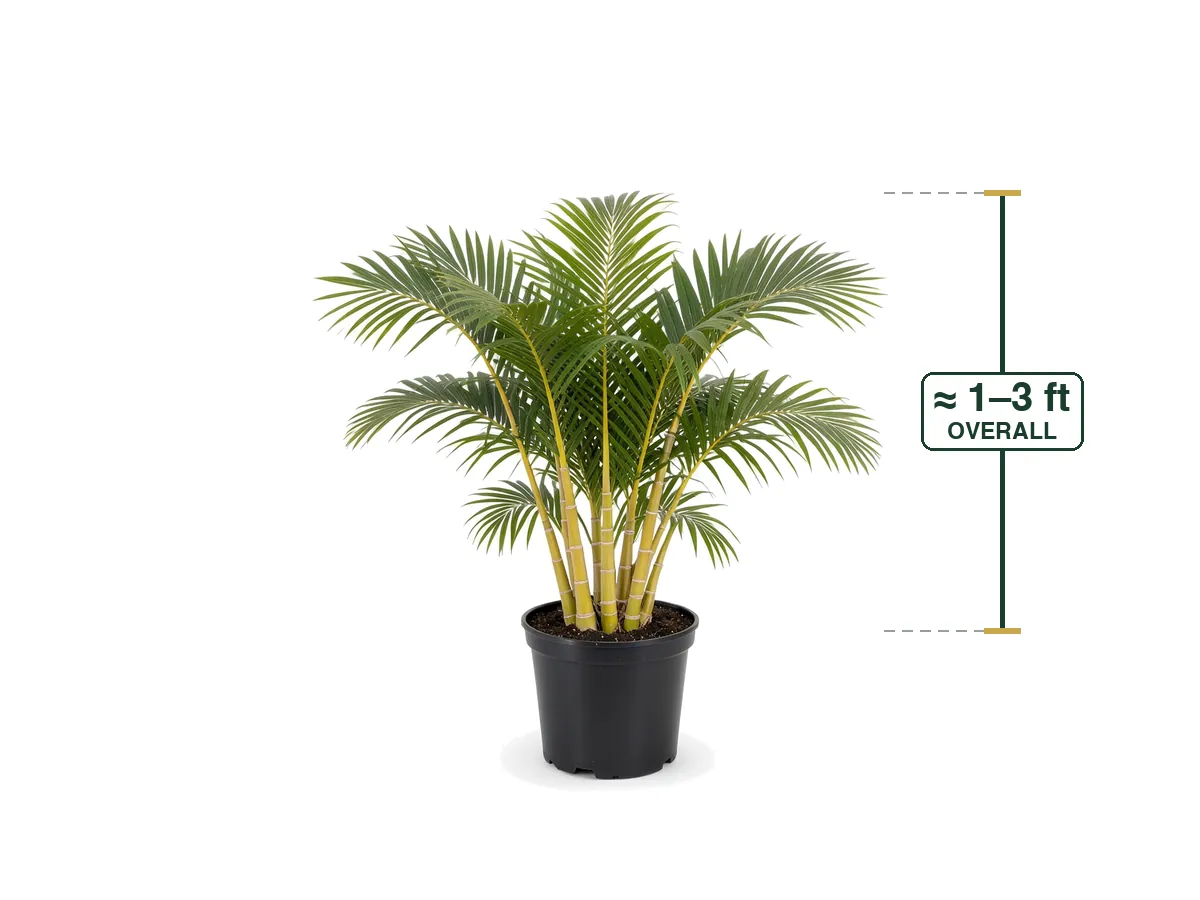
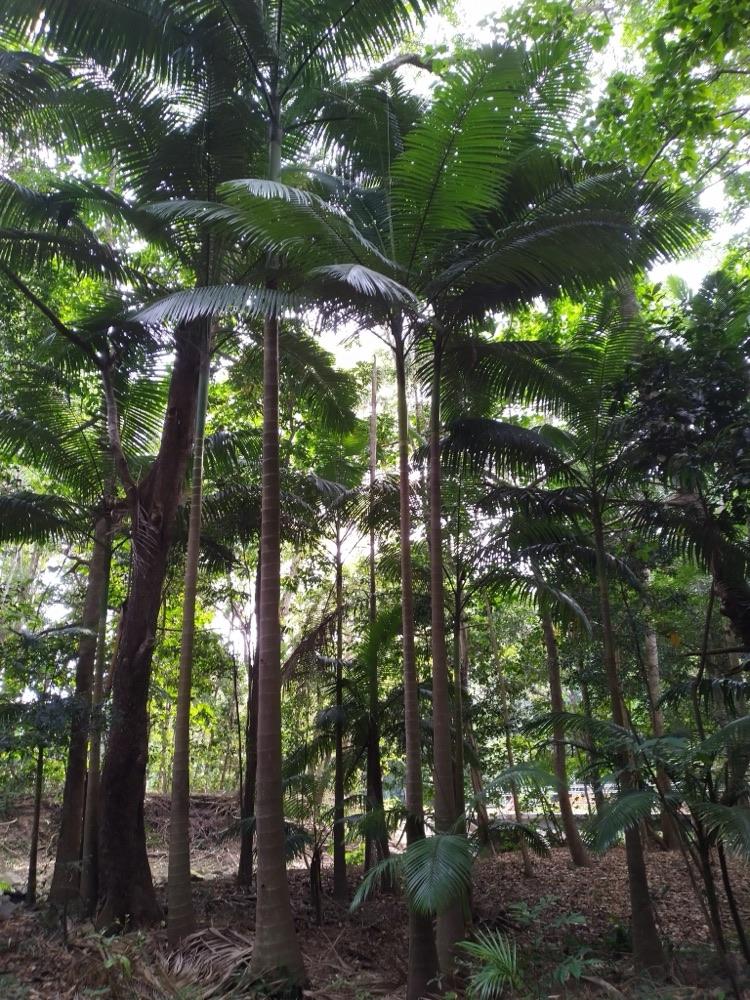
Coconut palms are a striking and tropical addition to any SW Florida landscape, especially in Bonita Springs. With the right care and understanding of local conditions, they can thrive for many years.
Soil Considerations for Coconut Palms
Coconut palms prefer well-draining soil that is rich in organic matter. In Bonita Springs, many homeowners have sandy soil, which can be improved by adding compost or peat moss to help retain moisture and nutrients. It's important to avoid heavy clay soils, as they can lead to root rot. When planting a new coconut palm, ensure the soil is loose and aerated around the root ball to encourage healthy growth.
- ✓Choose a planting site with well-draining soil.
- ✓Mix in compost or peat moss to improve sandy soils.
- ✓Avoid areas with standing water or poor drainage.
Salt Tolerance and Coastal Living
Bonita Springs is close to the Gulf Coast, and salt spray can be a concern for many plants. Coconut palms are relatively salt-tolerant, but they still benefit from some protection in highly exposed areas. Planting them at least 20 feet away from the beach or water’s edge can help reduce salt damage. If salt spray is an issue, consider using a barrier such as a fence or planting a row of salt-tolerant shrubs to shield the palms.
Heat and Sun Exposure
Coconut palms are well-suited to the warm climate of SW Florida. They thrive in full sun and can tolerate high temperatures. However, it's important to provide some protection during the hottest parts of the day, especially for newly planted palms. Placing them in a location that receives morning sun and some afternoon shade can help prevent leaf burn and promote better growth.
Managing Rainy and Dry Seasons
SW Florida experiences both rainy and dry seasons, and coconut palms can adapt to these changes with proper care. During the rainy season, ensure the planting area is not prone to waterlogging, as excessive moisture can lead to root issues. During dry periods, especially in the summer, water the palms regularly to keep the soil moist but not soggy. Mulching around the base of the palm can help retain moisture and regulate soil temperature.
HOA Rules and Regulations
If you're part of a homeowners association in Bonita Springs, it's important to check their rules regarding palm trees. Some HOAs may have restrictions on the types of palms allowed or their height and placement on the property. Before planting a coconut palm, review your HOA guidelines or consult with your association to ensure compliance. If you're unsure, our team can help you navigate these requirements.
Lee County Norms and Planting Tips
In Lee County, coconut palms are commonly seen in both residential and commercial landscapes. However, it's important to follow local planting norms and best practices. When planting, ensure the hole is twice as wide as the root ball and just as deep. Backfill with soil and water thoroughly after planting. Regular maintenance, such as pruning dead fronds and fertilizing in the spring, can help your coconut palm remain healthy and vibrant.
If you're considering adding a coconut palm to your Bonita Springs property, we're here to help. Whether you need advice on the best planting practices or want to explore options for installation, our team is ready to assist. Learn more about coconut palm installation prices or view our available coconut palm options. For a personalized quote and expert guidance, contact us today. Call (239) 799-5594 or text (239) 763-0625 to get started.
Soil Amendments for Sandy Conditions
The sandy soils common in Bonita Springs can be challenging for coconut palms, as they tend to drain quickly and lack essential nutrients. To improve soil quality, incorporate organic matter such as compost, aged manure, or peat moss into the planting hole. This helps retain moisture and provides a steady release of nutrients over time. Additionally, consider using a layer of mulch around the base of the palm to further enhance soil moisture retention and suppress weeds. For best results, mix the amendments into the native soil to a depth of at least 12 inches. This creates a more favorable environment for root development and long-term health of the palm. By taking these steps, you can ensure your coconut palm has the best possible start in the unique soil conditions of SW Florida.
Pest and Disease Management
Coconut palms in Bonita Springs may be susceptible to certain pests and diseases that are common in the region. Scale insects and palm mites are frequent issues that can weaken the palm if left unchecked. Regular inspections of the fronds and trunk can help catch infestations early. Applying a horticultural oil or insecticidal soap can be an effective, eco-friendly way to control these pests. Additionally, fungal diseases such as root rot can occur if the soil remains too wet for extended periods. To prevent this, avoid overwatering and ensure proper drainage in the planting area. Keeping the area around the palm free of debris and dead fronds can also reduce the risk of disease. Proactive care and monitoring are key to maintaining the health and longevity of your coconut palm in the SW Florida climate.
Related Reading From Palm and Plant Co
- ✓Sylvester Palms in Bonita Springs
- ✓Coconut Palms in Fort Myers
- ✓Coconut Palms in Cape Coral
- ✓Coconut Palms in Punta Gorda
- ✓Coconut Palms in Sanibel, Florida