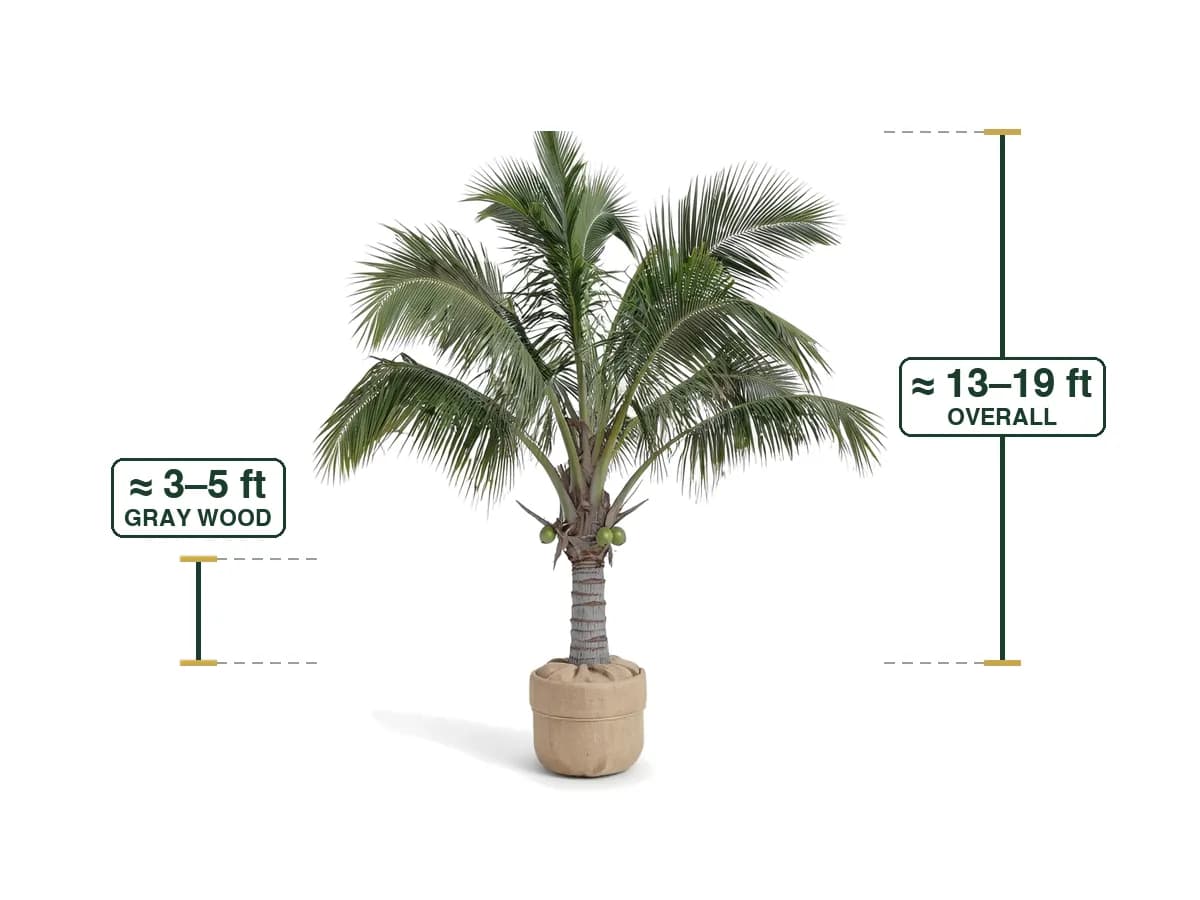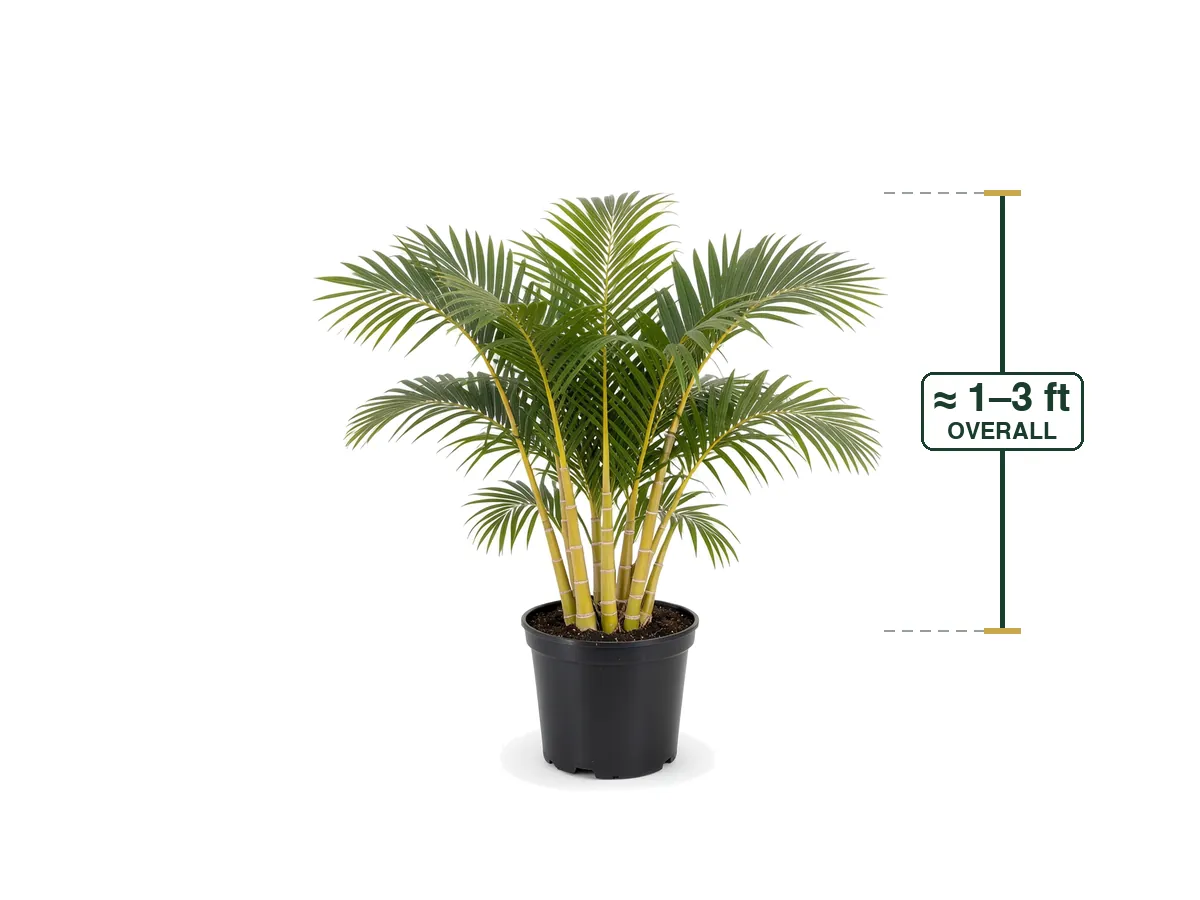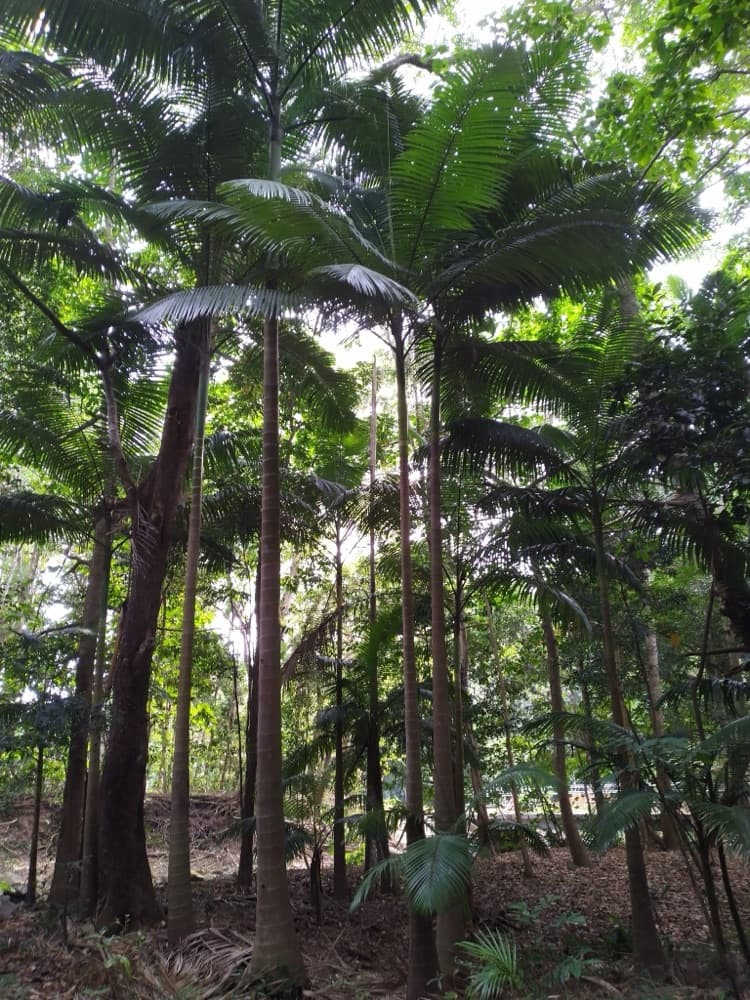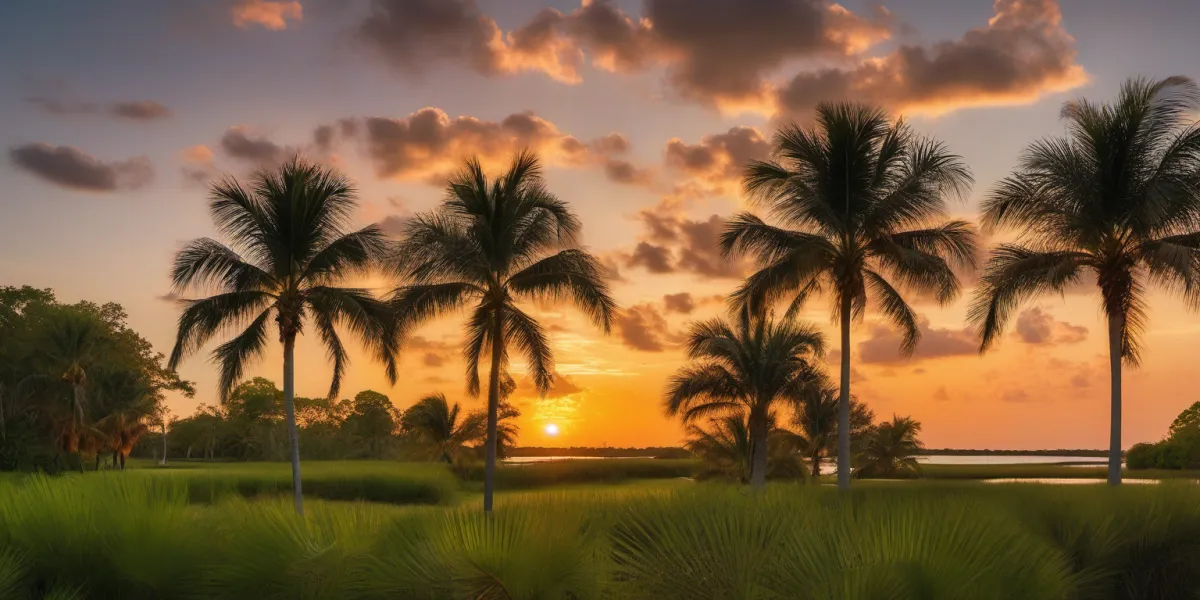
Coconut palms are a striking addition to any Sanibel landscape, offering tropical charm and resilience in Southwest Florida’s unique climate. Whether you're looking to plant a single tree or transform your yard, understanding the needs of coconut palms can help ensure long-term success.
Soil Considerations for Coconut Palms in Sanibel
Coconut palms thrive in well-drained soil, which is essential in Sanibel’s often sandy environment. While the natural soil in Southwest Florida is typically sandy and well-draining, it may lack the nutrients needed for long-term growth. To support healthy coconut palms, consider:
- ✓Amending the soil with organic matter such as compost or peat moss to improve moisture retention and nutrient content.
- ✓Ensuring the planting area is not prone to waterlogging, which can lead to root rot.
- ✓Avoiding heavy clay soils, which can restrict root growth and drainage.
For specific guidance on planting coconut palms in your Sanibel yard, learn more about installation and pricing.
Managing Salt Exposure for Coconut Palms
Sanibel’s proximity to the Gulf of Mexico means salt exposure is a common concern for homeowners. Coconut palms are relatively salt-tolerant, but prolonged exposure to high salt levels can damage foliage and reduce overall health.
To protect your coconut palms:
- ✓Plant them at least 20 to 30 feet away from direct salt spray from the Gulf or coastal areas.
- ✓Regularly rinse the leaves with fresh water during the summer months to remove accumulated salt.
- ✓Avoid using high-salt fertilizers or soil amendments that can increase salt concentration in the root zone.
For more information on selecting the right coconut palm for your Sanibel property, explore our available options here.
Heat and Sunlight Needs for Coconut Palms
Coconut palms are well-suited to the warm, sunny climate of Sanibel. They require full sun to thrive and can tolerate the intense heat typical of Southwest Florida. However, young palms may need some protection during the hottest parts of the day until they are established.
Tips for managing heat:
- ✓Plant coconut palms in areas that receive at least six hours of direct sunlight daily.
- ✓Provide temporary shade for newly planted palms using shade cloth or temporary structures until they become established.
- ✓Water regularly during the first year to help the tree acclimate to the heat.
Navigating Rainy and Dry Seasons in Sanibel
Sanibel experiences both wet and dry seasons, which can impact the health of your coconut palms. During the rainy season, ensure proper drainage to prevent root rot. In the dry season, regular watering is essential to maintain moisture levels, especially for young palms.
Practical advice:
- ✓During the rainy season, monitor the soil for waterlogging and avoid overwatering.
- ✓During the dry season, water deeply but infrequently to encourage strong root development.
- ✓Mulching around the base of the tree can help retain soil moisture and regulate temperature.
HOA Rules and Coconut Palms in Sanibel
Homeowners associations in Sanibel often have specific rules regarding landscaping, including the types of trees and plants that can be planted on properties. Before planting a coconut palm, it’s important to review your HOA guidelines to ensure compliance.
Consider the following:
- ✓Check with your HOA to determine if there are restrictions on palm tree height, species, or placement.
- ✓Some HOAs may require a permit or approval before planting large trees like coconut palms.
- ✓If you're unsure about the rules, contact us for a quote to discuss your options and ensure your planting plan meets all requirements.
Lee County Norms and Coconut Palms
Lee County, which includes Sanibel, has specific environmental and zoning considerations that may affect the planting of coconut palms. These norms are designed to protect local ecosystems and ensure sustainable landscaping practices.
Key points to keep in mind:
- ✓Coconut palms are generally allowed in residential areas, but it's wise to check local ordinances.
- ✓Some areas may have restrictions on non-native species, so it's best to confirm whether coconut palms are considered native or invasive in your area.
- ✓If you're planning a large-scale planting project, consulting with local authorities or a professional landscaper can help ensure compliance with Lee County norms.
For more information on planting coconut palms in Sanibel and Lee County, contact us for a quote to discuss your project and get the right guidance for your property.
If you're ready to add the tropical beauty of coconut palms to your Sanibel landscape, contact us for a quote today. Our team can help you select the right palms for your property and provide expert planting and care advice tailored to Southwest Florida's unique conditions.
Related Reading From Palm and Plant Co
- ✓Coconut Palms in Cape Coral
- ✓Coconut Palms in Punta Gorda
- ✓Royal Palms in Sanibel, Florida
- ✓Best Palm Trees for Tampa Bay Yards: What Survives a 9b Winter
- ✓Sylvester vs Canary Island Date Palm for Sarasota and Bradenton Homes: Cost, Look and Cold Hardiness