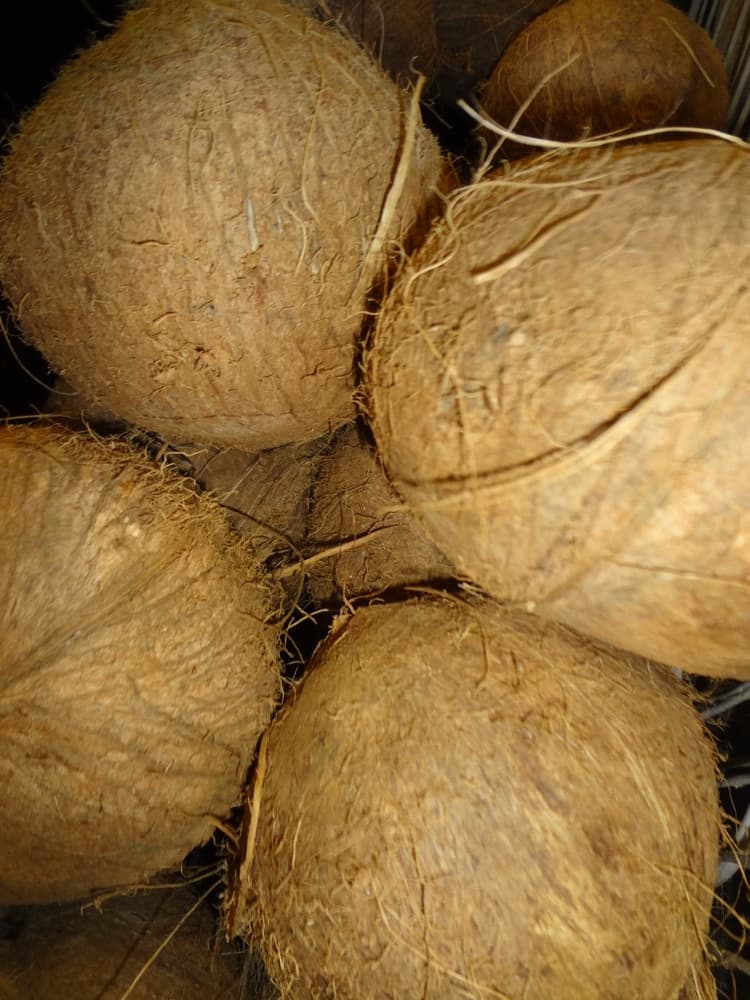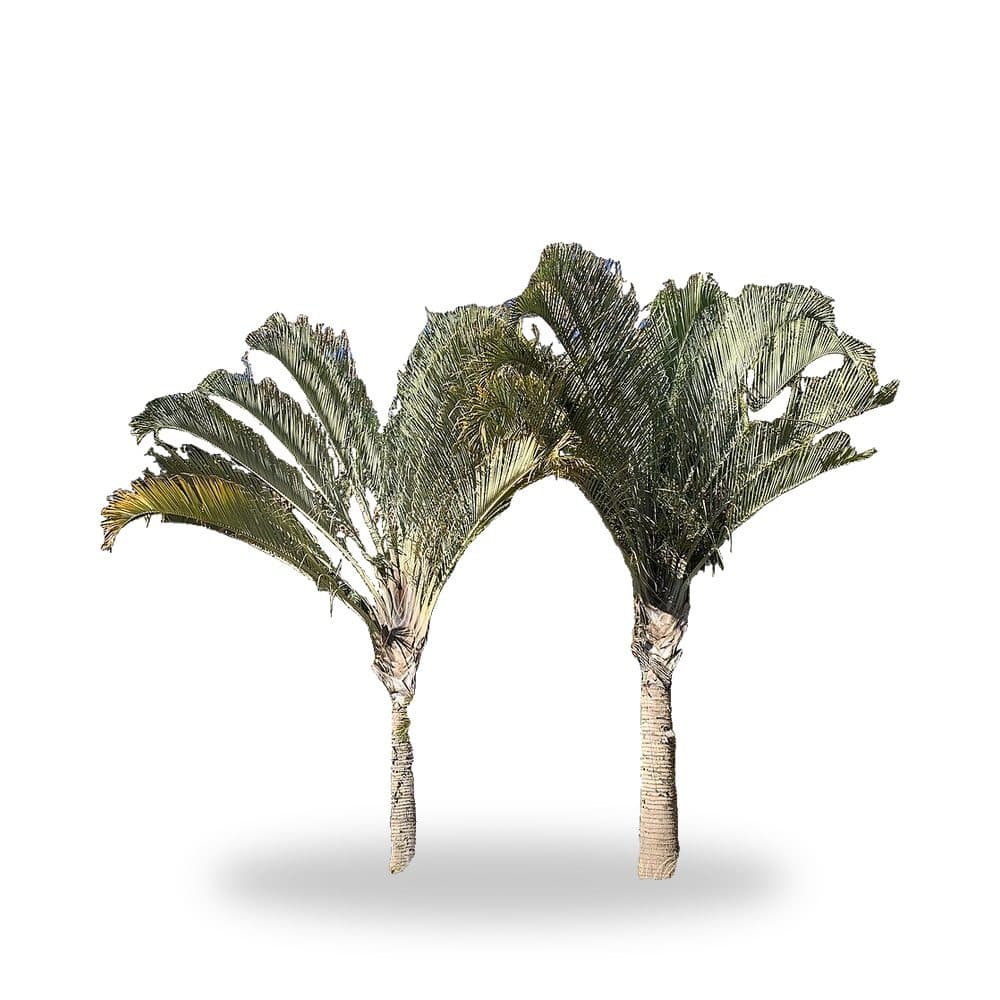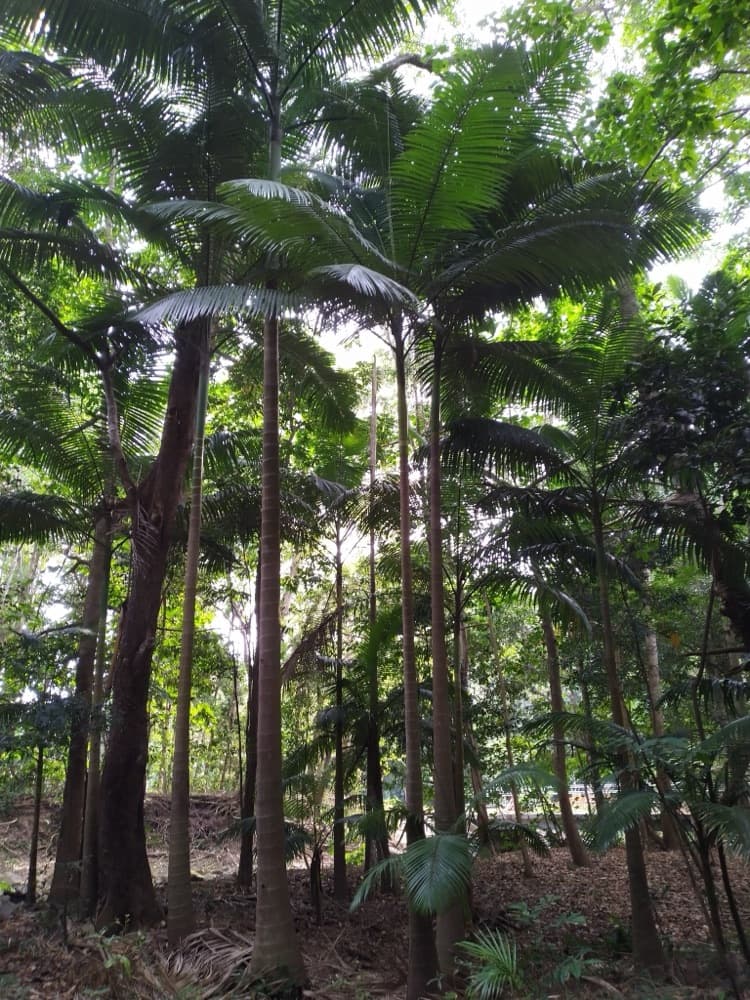
Coconut palms are a tropical favorite in Cape Coral, offering beauty and a touch of island charm. Here's what you need to know about growing and maintaining these iconic trees in Southwest Florida.
Soil Considerations for Coconut Palms
Coconut palms thrive in well-draining soil that is rich in organic matter. In Cape Coral, the native soil can be sandy or clay-like, which may not provide the ideal growing conditions. To help your coconut palm establish strong roots:
- ✓Amend the soil with compost or peat moss to improve moisture retention and nutrient availability.
- ✓Avoid heavy clay soils unless they are well-draining, as waterlogged conditions can lead to root rot.
- ✓Ensure the planting site has good drainage, and avoid low-lying areas that collect water after rain.
Salt Tolerance and Coastal Care
Cape Coral's proximity to the Gulf of Mexico means salt exposure can be a concern for coconut palms. These palms are naturally salt-tolerant, but their health depends on proper care:
- ✓Water your palm regularly to help it flush out excess salt from the soil.
- ✓Avoid planting too close to the water's edge, where salt spray is most intense.
- ✓If your palm shows signs of salt damage, such as brown leaf tips or yellowing, increase watering and consider using a salt-tolerant fertilizer.
Heat and Sunlight Needs
Coconut palms are well-suited to the hot, sunny climate of Southwest Florida. However, there are a few considerations to keep in mind:
- ✓Plant your coconut palm in an area that receives full sun, as they require at least 6 to 8 hours of direct sunlight daily.
- ✓In extreme heat, ensure the tree has enough water to prevent stress. Deep, infrequent watering is better than frequent shallow watering.
- ✓Avoid planting near structures that may cast shade during part of the day, as coconut palms need consistent sun exposure.
Managing Rainy and Dry Seasons
Southwest Florida experiences distinct rainy and dry seasons, which can impact the health of your coconut palm:
- ✓During the rainy season, monitor your palm for signs of overwatering, such as yellowing leaves or root rot. Ensure the soil drains well to prevent waterlogging.
- ✓During dry seasons, increase watering frequency to maintain soil moisture. Mulching around the base of the tree can help retain moisture and regulate soil temperature.
- ✓Consider using a drip irrigation system for consistent and efficient watering, especially during dry periods.
HOA Rules and Regulations
If you live in a neighborhood with a Homeowners Association (HOA), be sure to review their rules before planting a coconut palm:
- ✓Some HOAs have restrictions on the types of trees that can be planted, especially in front or common areas.
- ✓Check if there are height, size, or species restrictions that could affect your choice of palm.
- ✓If you're unsure about HOA guidelines, contact your association or review your community's covenants, conditions, and restrictions (CCRs).
Lee County Norms and Best Practices
In Lee County, coconut palms are a popular choice for both residential and commercial landscapes. To ensure your palm thrives in this area:
- ✓Plant coconut palms in spring or early summer when the weather is warm and the threat of frost has passed.
- ✓Regularly inspect your palm for pests such as palm weevils and scale insects. Early detection is key to preventing infestations.
- ✓Fertilize your palm annually with a slow-release, palm-specific fertilizer to support healthy growth and development.
If you're considering adding a coconut palm to your landscape, we're here to help. Our team at Florida Palm and Plant Co. specializes in planting and delivering palms for homeowners in Cape Coral and throughout Southwest Florida.
Learn more about our coconut palm installation options or request a quote today to get started on your next project.
Soil Preparation and Drainage in Cape Coral
Coconut palms thrive in well-draining soils, which is especially important in Cape Coral's unique soil composition. While the area has a mix of sandy and clay soils, proper preparation is key to long-term palm health. Before planting, ensure the soil is loose and free of compaction, which can hinder root growth. If your soil is heavy or clay-like, consider amending it with organic matter such as compost or peat moss to improve drainage and aeration. Additionally, installing a French drain or raised planting bed can help manage excess water in low-lying areas, preventing root rot and other moisture-related issues. In coastal regions like Cape Coral, where saltwater intrusion can occur, using a soil mix with good drainage and incorporating a layer of gravel beneath the planting area can provide extra protection for your coconut palm's root system.
Dealing with Coastal Winds and Salt Spray
Cape Coral's proximity to the Gulf of Mexico means that coconut palms are frequently exposed to coastal winds and salt spray, which can affect their appearance and health over time. While coconut palms are naturally salt-tolerant, prolonged exposure to high salt levels can lead to leaf burn, discoloration, and reduced growth. To mitigate these effects, plant your coconut palm at least 20 to 30 feet away from the water's edge, where salt spray is most intense. Using windbreaks such as shrubs or fencing can also help reduce wind stress on young palms. Additionally, regularly rinsing the leaves with fresh water during high salt periods can help wash away accumulated salt and prevent damage. For palms already showing signs of salt stress, applying a seaweed-based fertilizer can enhance their resilience and promote healthier growth in the long term.
Related Reading From Palm and Plant Co
- ✓Foxtail Palms in Cape Coral
- ✓Best Palm Trees for Tampa Bay Yards: What Survives a 9b Winter
- ✓Sylvester vs Canary Island Date Palm for Sarasota and Bradenton Homes: Cost, Look and Cold Hardiness
- ✓Cold-Hardy Palms for Wesley Chapel and New Port Richey: A Pasco County Planting Guide
- ✓Bismarck Palm vs Other Options for Lehigh Acres Landscapes