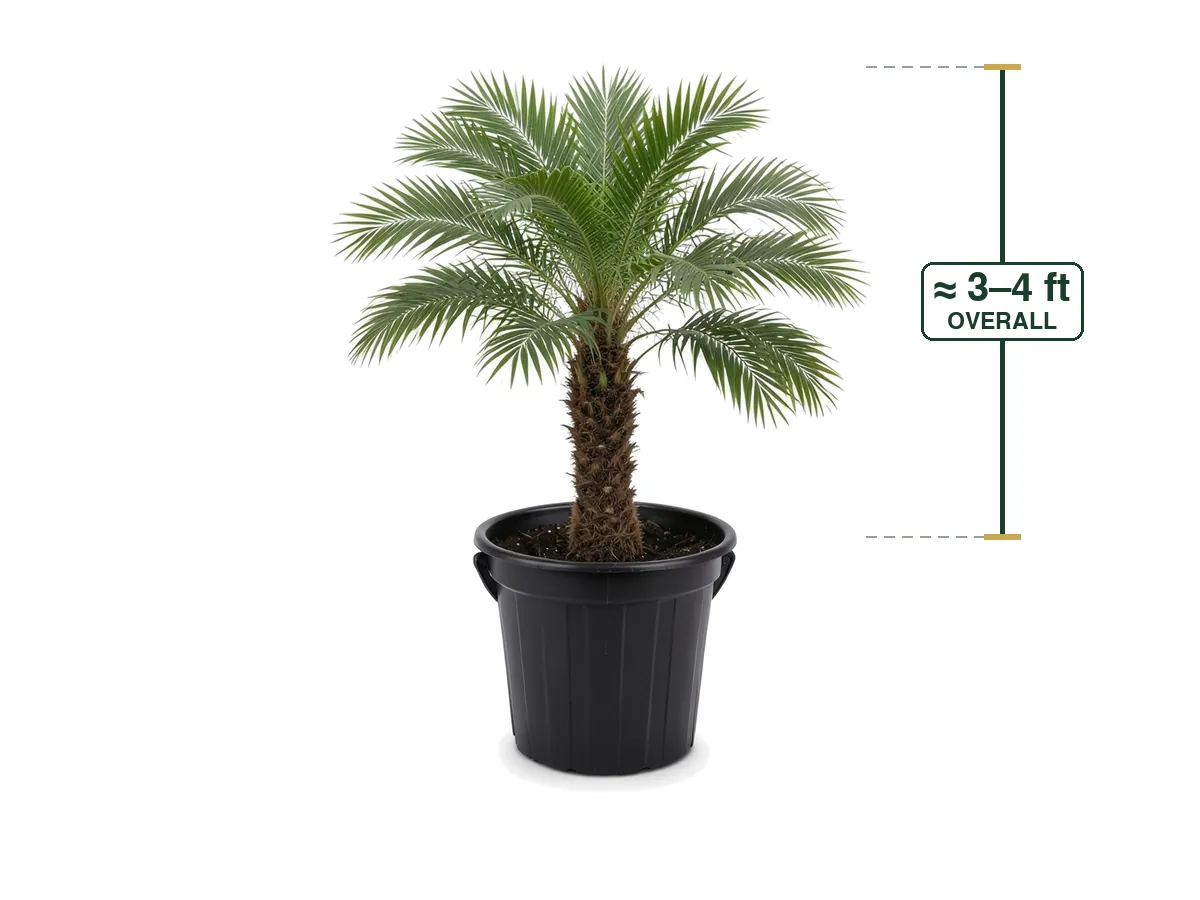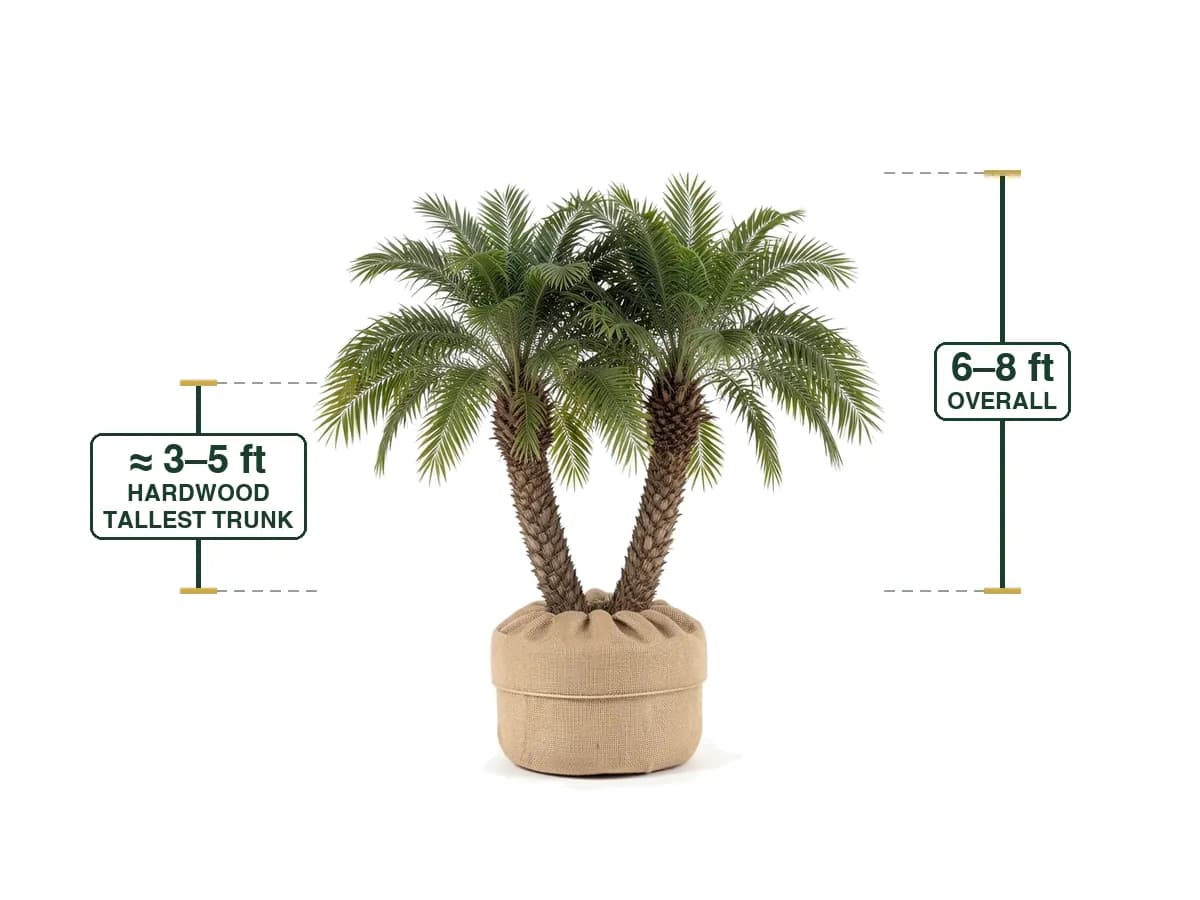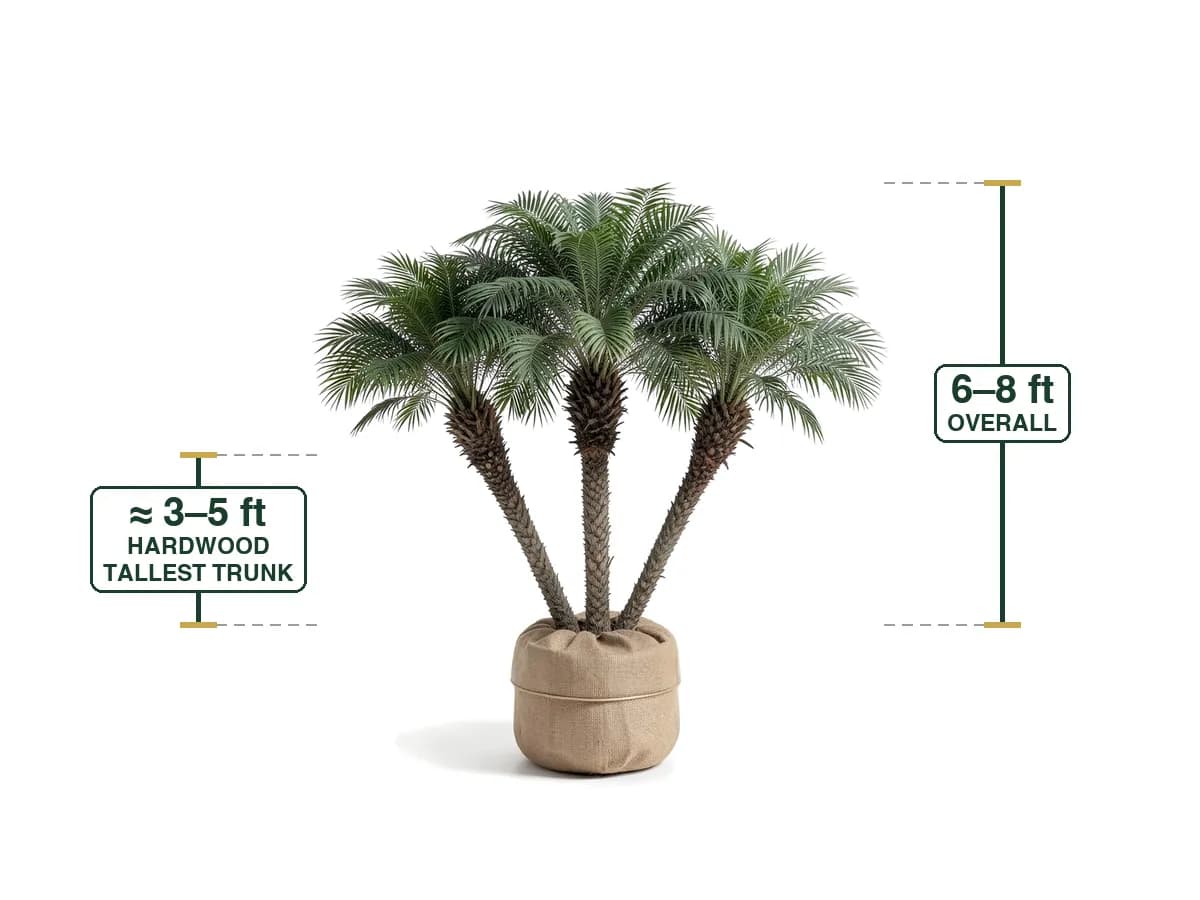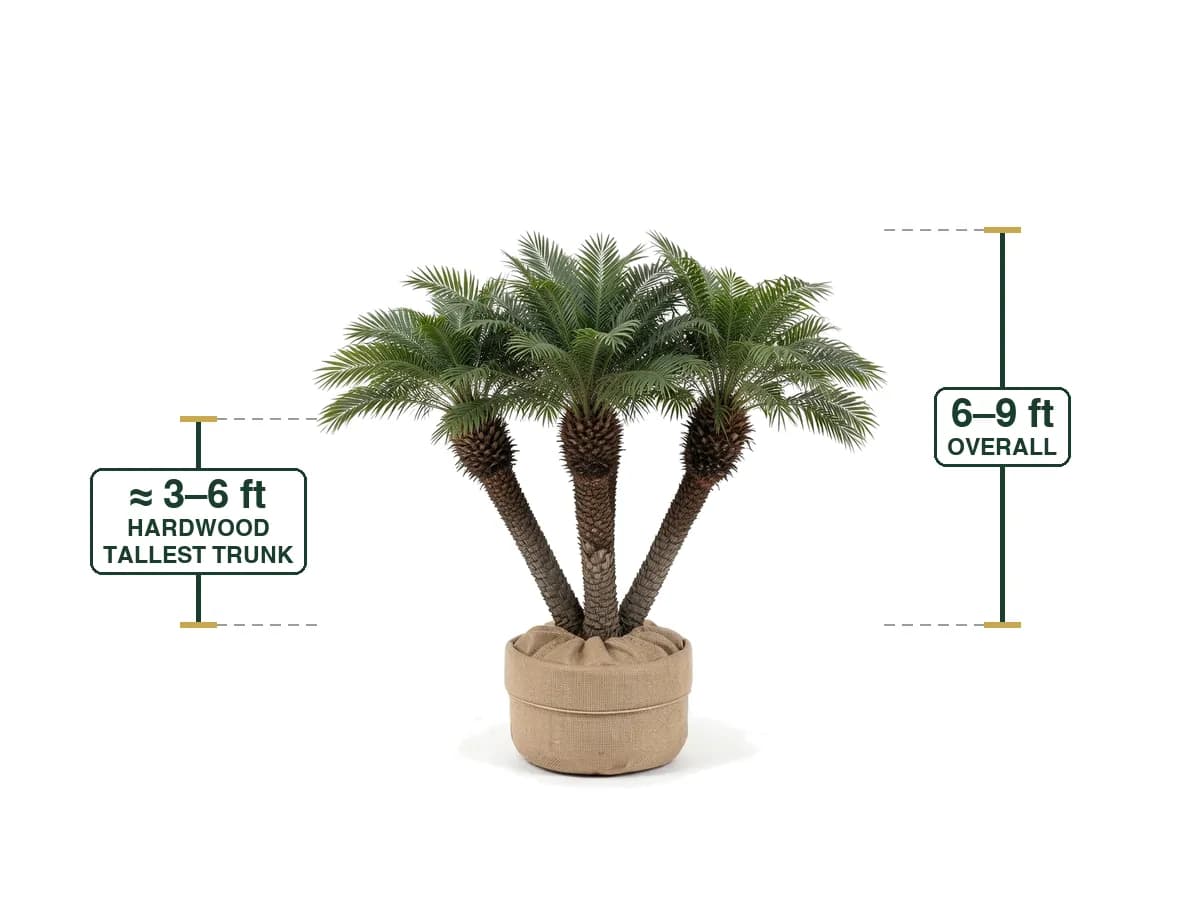
Bold Intro: Looking for a low-maintenance yet stylish addition to your Sanibel landscape? The pygmy date palm (Phoenix roebelenii) is an excellent choice! However, even with proper care, these palms can develop issues that need attention. In this article, we'll explore common problems associated with pygmy date palms in Sanibel and provide expert advice on how to fix them.
Common Problems with Pygmy Date Palms in Sanibel
Pygmy date palms are relatively small (10-15 feet tall) and can thrive in Sanibel's USDA zone 10b climate, where temperatures rarely drop below 25°F (-4°C). However, they're still susceptible to pests, diseases, and nutrient deficiencies. Here are some common problems you might encounter:
• Yellowing or browning leaves: This can be caused by overwatering, underwatering, or a lack of nutrients.
• Pests like spider mites, mealybugs, or scale: These insects feed on sap, causing damage to the palm's foliage and trunk.
• Fungal diseases like root rot or leaf spot: These can develop due to excessive moisture, poor air circulation, or contaminated soil.
Pygmy date palms prefer well-draining soil and should be watered regularly during Sanibel's hot summer months. However, overwatering is a common mistake that can lead to root rot and other problems.
- ✓Water your palm when the top 2-3 inches of soil feel dry to the touch.
- ✓Avoid getting water on the trunk or leaves to prevent fungal diseases.
- ✓Reduce watering during winter months (December to February) when rainfall is scarce.
Pygmy date palms benefit from regular fertilization, especially during their active growth phase (spring and summer). A balanced fertilizer (10-10-10 NPK) applied every 2-3 months will provide essential nutrients.
- ✓Cost: $5-$15 per bag (depending on the brand and size)
- ✓Tip: Fertilize your palm in the morning, so it has the entire day to absorb the nutrients.
Regular pruning helps maintain your pygmy date palm's shape, promotes healthy growth, and removes damaged or diseased leaves. Look for signs of pests like spider mites (fine webbing on stems), mealybugs (white, cottony patches), or scale (dark brown spots).
- ✓Cost: $30-$100 per pruning session (depending on the complexity)
- ✓Tip: Prune your palm during its dormant season (winter) to minimize stress.
Pygmy date palms prefer slightly acidic soil with a pH between 6.0 and 7.0. Mulching around the base helps retain moisture, suppress weeds, and regulate soil temperature.
- ✓Tip: Use organic mulch like pine straw or bark to improve soil health.
Q: How often should I water my pygmy date palm in Sanibel?
A: Water your palm when the top 2-3 inches of soil feel dry to the touch. Reduce watering during winter months (December to February) when rainfall is scarce.
Q: What's the best fertilizer for my pygmy date palm?
A: A balanced fertilizer (10-10-10 NPK) applied every 2-3 months will provide essential nutrients.
Q: Can I prune my pygmy date palm myself, or do I need a professional?
A: You can prune your palm yourself, but if you're unsure about the process or have a complex issue, consider hiring a professional arborist.
Get Expert Advice and Fix Your Pygmy Date Palm Problems Today!
Don't let common issues with your pygmy date palm hold you back from enjoying its beauty and benefits. Visit Florida Palm and Plant Co.'s website (palmandplantco.com) or call our expert team at (239) 799-5594 to schedule a consultation, get personalized advice, and start fixing those pesky problems!
Related Reading From Palm and Plant Co
- ✓Cat Palm vs Other Options for Sanibel Landscapes
- ✓Best Time to Plant Coconut Palm in Naples, FL
- ✓Royal Palm Problems in LaBelle and How to Fix Them
- ✓How Much Does Crotons Cost in Sanibel? Complete Price Breakdown
- ✓Foxtail Palm Care Guide for Cape Coral Homeowners