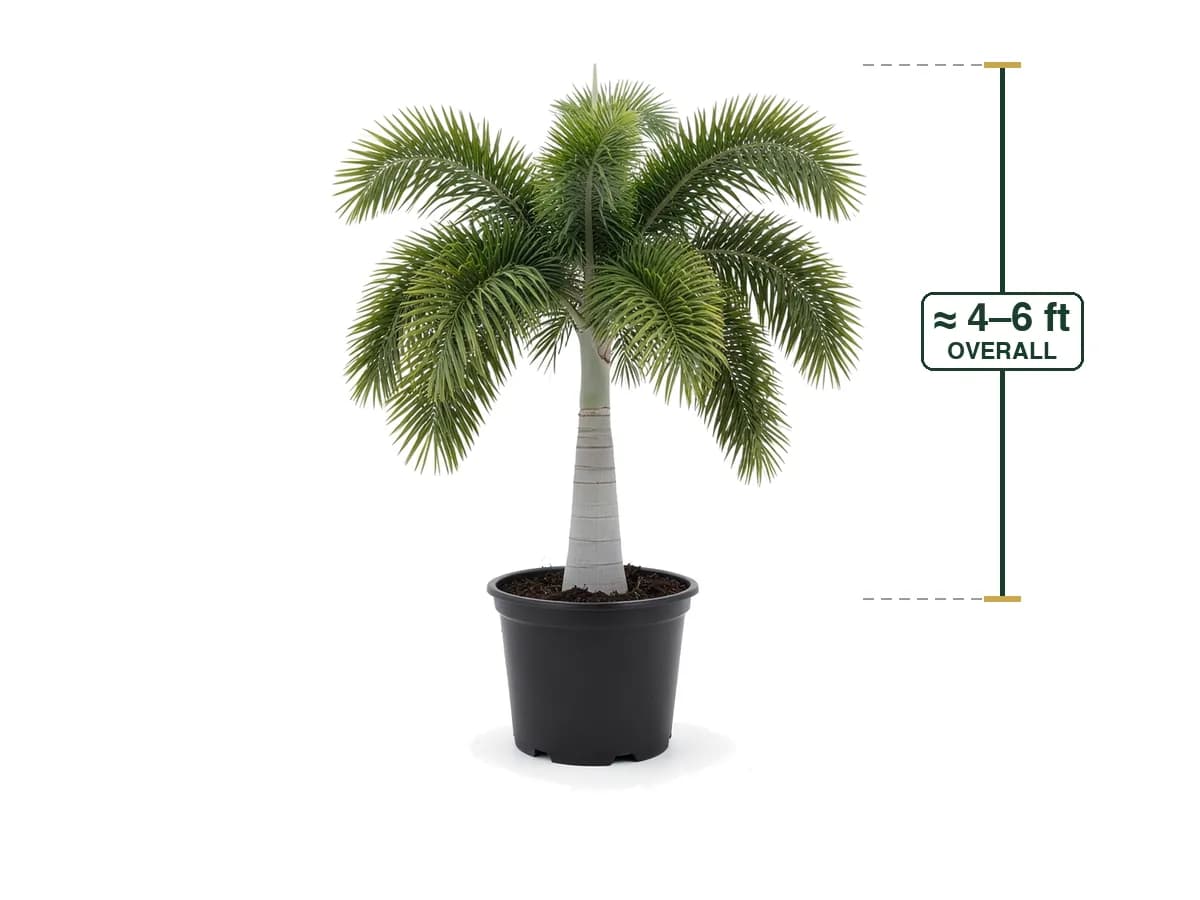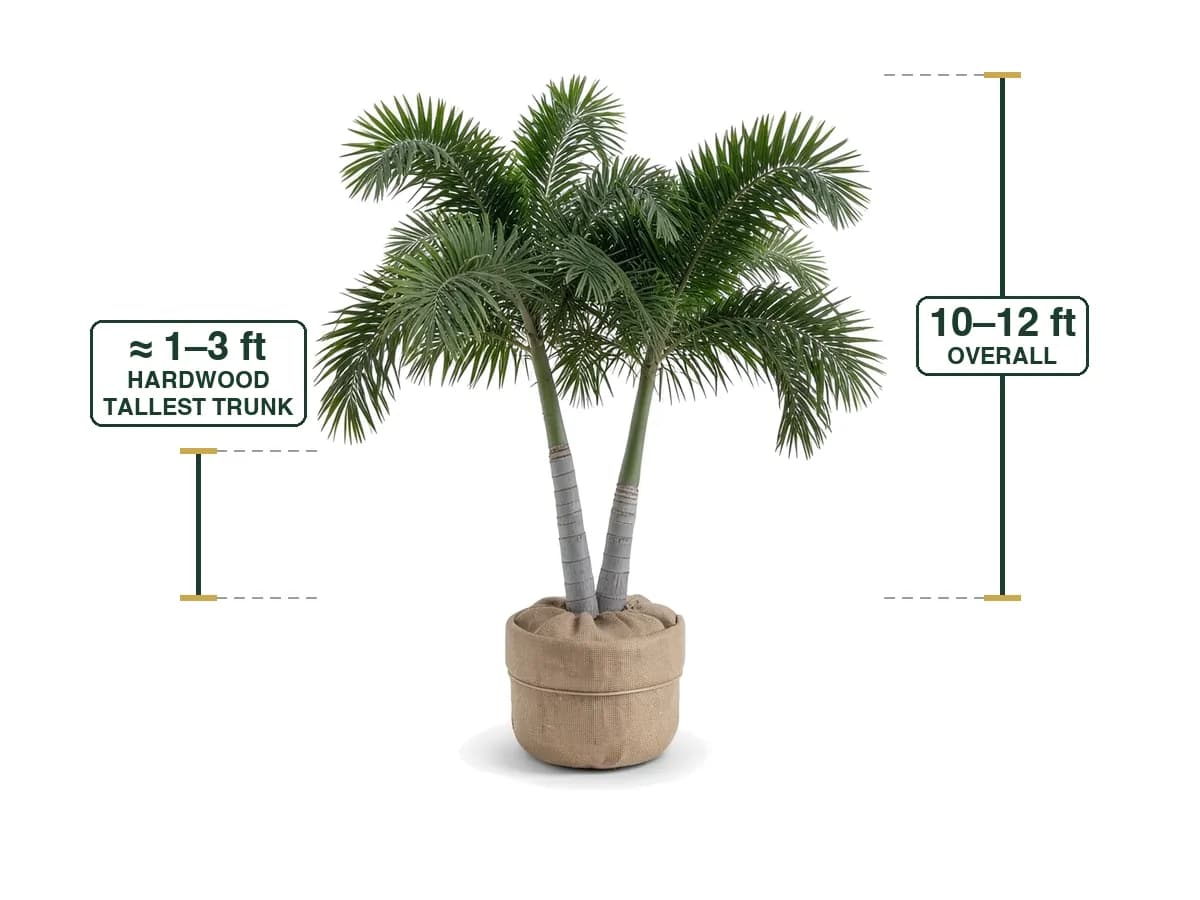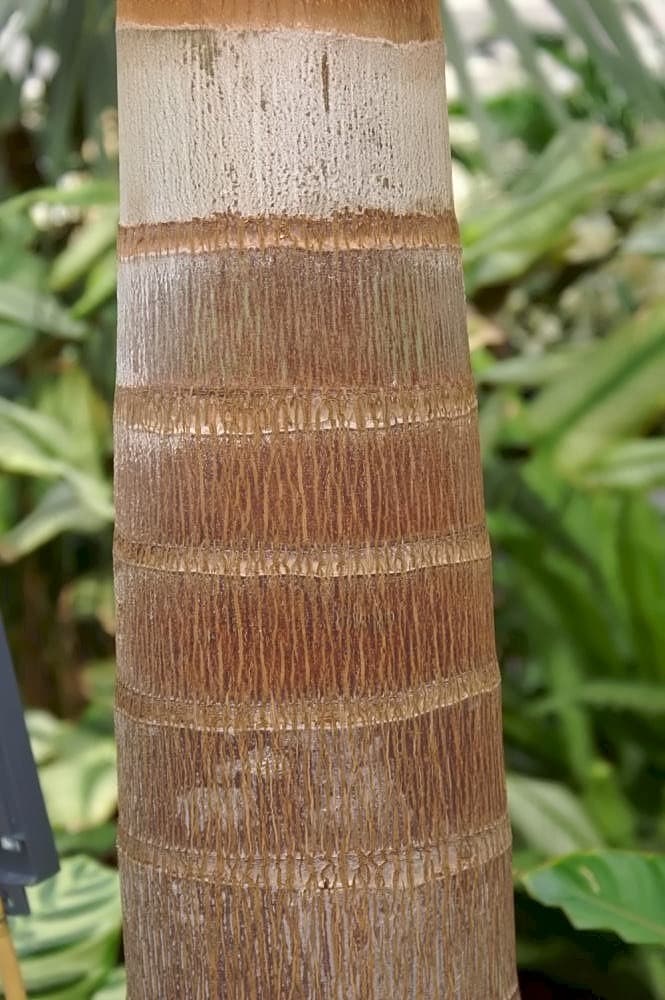
If you're looking for a palm that thrives in Sanibel's unique climate, the foxtail palm is an excellent choice. This post will guide you through everything you need to know about growing and caring for foxtail palms in Southwest Florida.
Soil Considerations for Foxtail Palms
Foxtail palms are adaptable but prefer well-draining soil. In Sanibel, where the soil can be sandy or even slightly clay-like, it's important to ensure proper drainage to avoid root rot. Here are a few tips for preparing your soil:
- ✓Test your soil to understand its pH and nutrient levels.
- ✓Amend heavy clay soils with organic matter such as compost or peat moss to improve drainage.
- ✓Avoid planting in low-lying areas that tend to retain water.
- ✓If you're unsure about your soil type, consider consulting a local gardening expert.
Salt Tolerance and Coastal Care
Living near the coast, Sanibel homeowners often deal with salt spray from the Gulf of Mexico. Foxtail palms are moderately salt-tolerant, but they still need some care to thrive in these conditions:
- ✓Plant foxtail palms at least 50 feet away from the shoreline to minimize salt exposure.
- ✓Regularly rinse the fronds with fresh water during the summer months to remove accumulated salt.
- ✓Choose a planting location that offers some natural windbreak, such as a fence or other dense vegetation.
- ✓If you're considering planting near the beach, foxtail palm installed price can help you understand the cost involved.
Heat and Sunlight Needs
Foxtail palms are well-suited for Sanibel's warm, sunny climate, but they still need some attention to ensure they remain healthy:
- ✓These palms thrive in full sun but can tolerate partial shade.
- ✓During the hottest parts of the day, especially in the summer, it's a good idea to provide some afternoon shade to prevent leaf burn.
- ✓Avoid planting near structures that can reflect heat, such as concrete or dark-colored buildings.
- ✓Water deeply but infrequently to encourage strong root development.
Rainy and Dry Season Care
Sanibel experiences both rainy and dry seasons, and proper care during these times is essential for the health of your foxtail palms:
- ✓During the rainy season, ensure that the planting area has good drainage to prevent waterlogging.
- ✓In the dry season, water your palms regularly, especially if they are newly planted or in a sandy soil.
- ✓Mulching around the base of the palm can help retain moisture during dry periods.
- ✓Avoid overwatering, as foxtail palms are more susceptible to root rot than some other palm species.
HOA Rules and Lee County Norms
Before planting a foxtail palm, it's important to be aware of any HOA rules or local regulations in Lee County:
- ✓Check with your HOA for any restrictions on palm species, height, or placement.
- ✓Some HOAs may require a permit for planting large palms, especially near property lines or in common areas.
- ✓Lee County generally allows a wide variety of palms, but it's always a good idea to confirm with local authorities or your HOA.
- ✓If you're unsure about any rules, foxtail palm can provide more information about the plant's characteristics and suitability for your area.
Final Thoughts and Next Steps
Whether you're looking to add a touch of tropical beauty to your Sanibel landscape or need help with planting and care, foxtail palms are a great choice. Their resilience, elegant appearance, and ability to thrive in Southwest Florida's climate make them a popular option for homeowners.
If you're ready to take the next step and have your foxtail palms installed, we're here to help. Request a quote today to get started on your project.
Pest Management and Common Threats
Foxtail palms in Sanibel are generally hardy, but they can be vulnerable to certain pests and diseases common in Southwest Florida. Scale insects and mealybugs are frequent culprits, often hiding on the fronds and stems. Regular inspections, especially during the warmer months, can help catch infestations early. A gentle spray of water or the use of horticultural oil can be effective for minor outbreaks. Additionally, sooty mold may develop as a result of insect secretions, which can be wiped off the fronds with a damp cloth. It’s also wise to avoid over-fertilizing, as excessive nitrogen can attract pests and weaken the palm’s natural defenses. Keeping the area around the palm clean and free of debris reduces hiding spots for pests and promotes overall plant health.
Soil Amendments and Drainage Solutions
While foxtail palms can adapt to various soil types, Sanibel’s sandy soils often require some amendments to ensure long-term health. Adding organic matter such as compost or peat moss can improve water retention and nutrient availability without making the soil too heavy. For areas with poor drainage, incorporating perlite or coarse sand can help prevent water from pooling around the roots. Raised planting beds or mounds are also a practical solution for improving drainage in low-lying areas. If the soil is particularly compacted, aeration can be beneficial, allowing roots to breathe and absorb nutrients more efficiently. These simple adjustments can make a significant difference in how well your foxtail palms establish and thrive in Sanibel’s unique coastal environment.
If you're ready to take the next step and have your foxtail palms installed, we're here to help. get a free quote today to get started on your project.
Related Reading From Palm and Plant Co
- ✓Foxtail Palms in Cape Coral
- ✓Foxtail Palms in North Fort Myers
- ✓Foxtail Palms in Lehigh Acres
- ✓Coconut Palms in Sanibel, Florida
- ✓Foxtail Palms in Estero, Florida