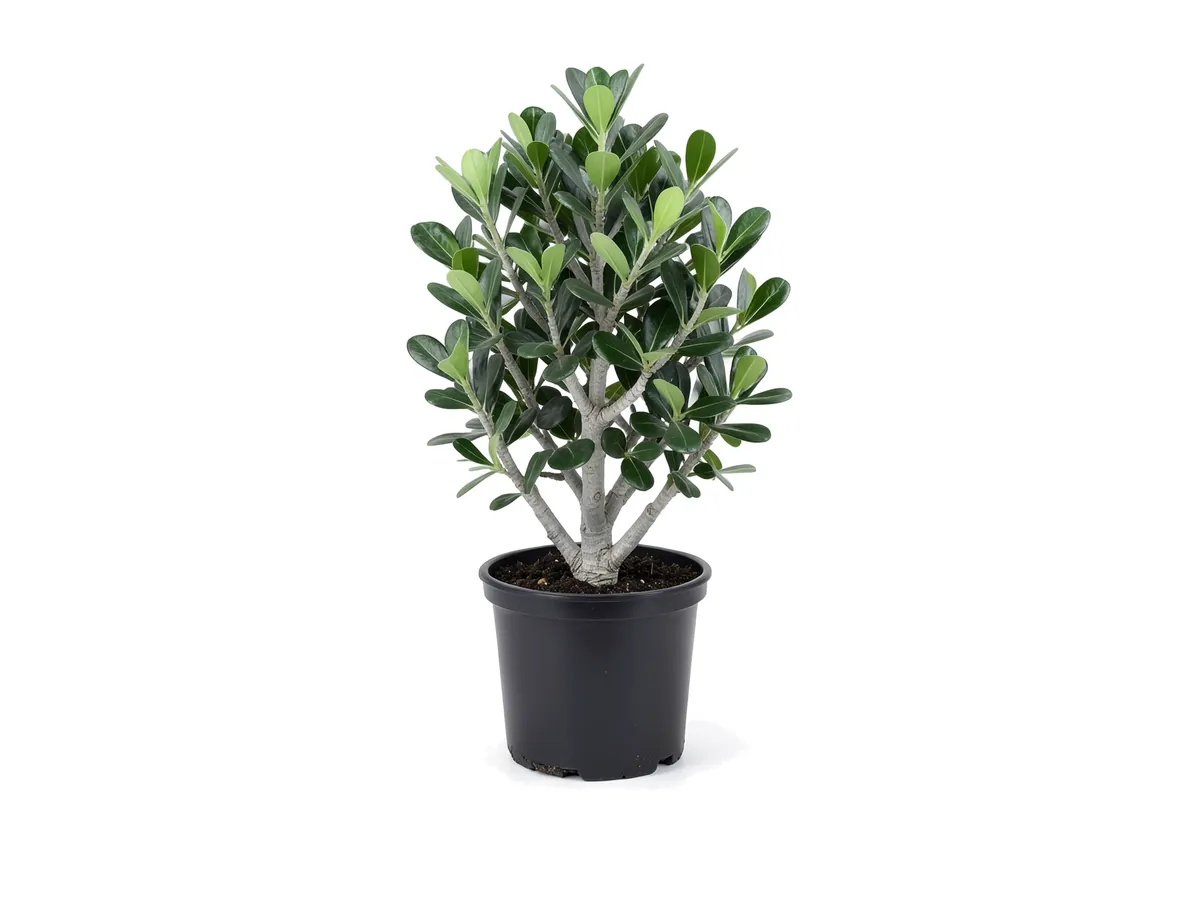
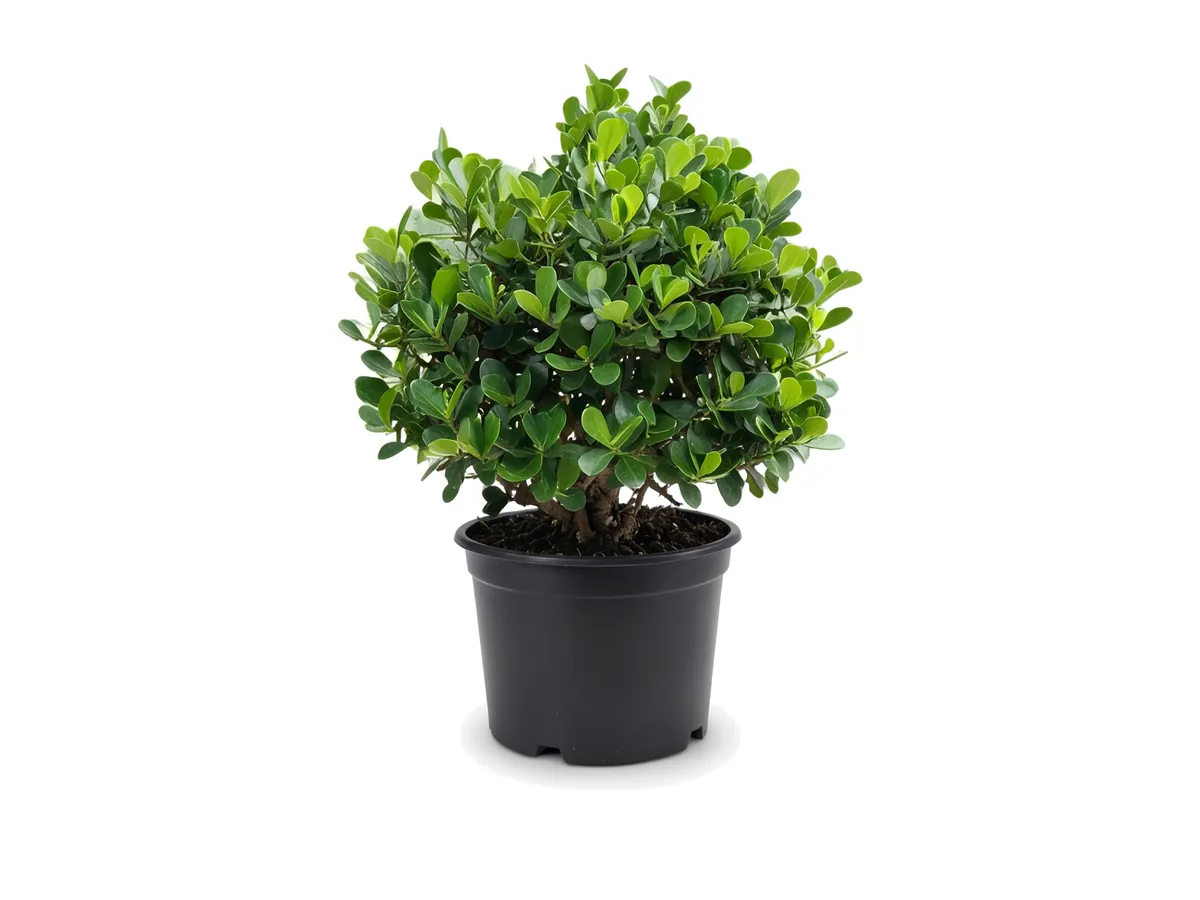
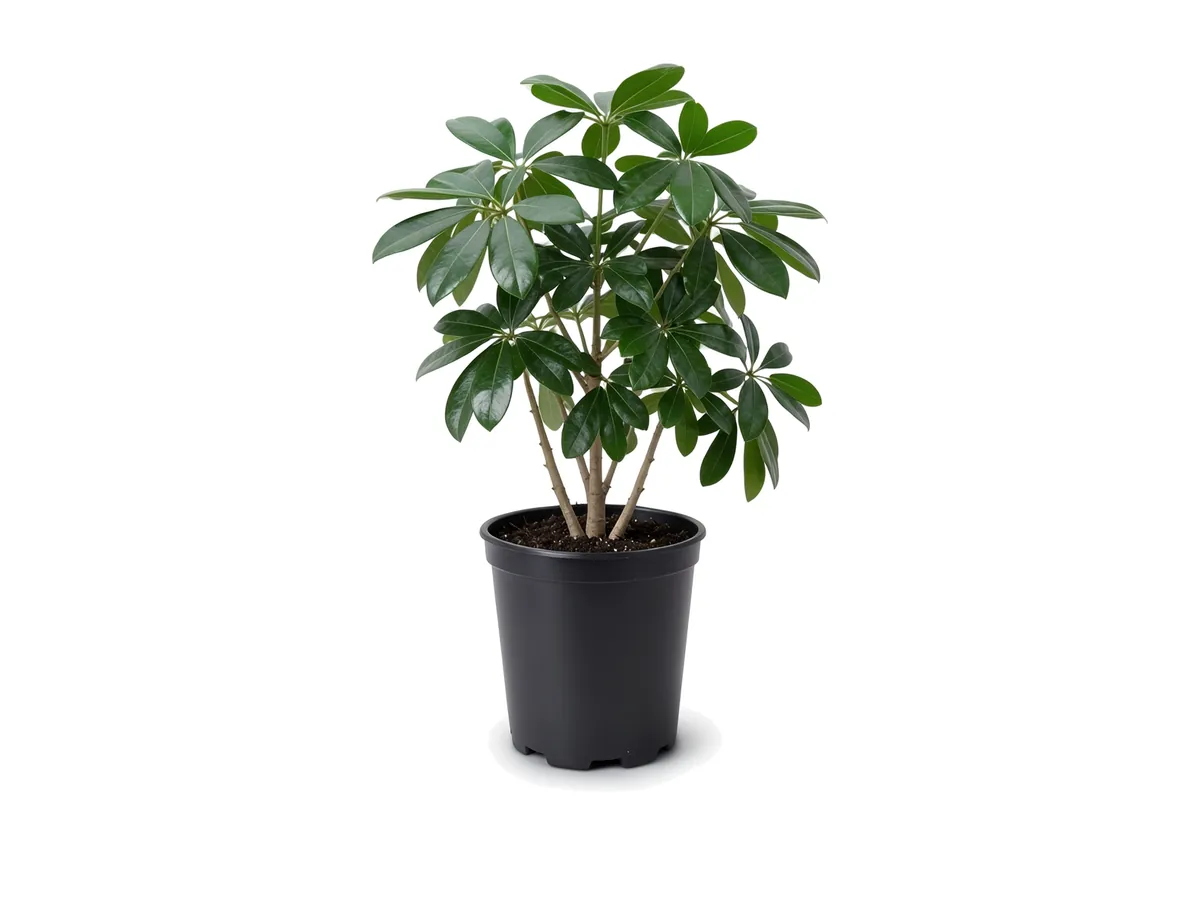
Looking for a low-maintenance, salt-tolerant hedge that thrives in Southwest Florida? Clusia is a popular choice for homeowners in Cape Coral. Here’s what you need to know about growing clusia hedges in your area.
Soil Considerations for Clusia Hedges
Clusia hedges are adaptable but prefer well-drained soil. In Cape Coral, where soil types can vary, it’s important to ensure your planting area has good drainage. If your soil is heavy or clay-like, consider amending it with organic matter to improve aeration and water flow. Avoid planting clusia in consistently soggy areas, as this can lead to root rot. Regularly check for drainage issues, especially after heavy rains, and take corrective action if needed.
Salt Tolerance and Coastal Living
For homeowners near the coast or in areas with high salt exposure, clusia hedges are an excellent choice. They are naturally salt-tolerant, making them ideal for properties close to the Gulf of Mexico. However, even salt-tolerant plants can suffer from excessive salt spray, especially during the dry season when winds are stronger. If your home is within 500 feet of the coastline, consider planting clusia a few feet back from the direct salt exposure. Regularly rinsing the foliage with fresh water during dry periods can also help reduce salt buildup on the leaves.
Heat and Sun Exposure
Clusia hedges thrive in the hot, humid climate of Southwest Florida. They prefer full sun to partial shade, making them suitable for most backyards in Cape Coral. While they can tolerate some shade, too much will result in leggy growth and reduced density. If you're planting a clusia hedge as a privacy screen, choose a location that receives at least 6 hours of direct sunlight per day for the best results. During the hottest months, ensure that the plants have access to consistent moisture, especially during the dry season.
Managing Rainy and Dry Seasons
In Cape Coral, the rainy season typically runs from June to November, followed by a dry season that can be quite hot and arid. Clusia hedges are resilient but benefit from proper watering during the dry season. Water deeply and infrequently to encourage strong root development. During the rainy season, avoid overwatering, as clusia can be sensitive to waterlogged soil. Mulching around the base of the plants can help retain moisture during dry periods and suppress weeds. If you're unsure about the best watering schedule for your clusia hedge, contact us for a customized planting plan.
HOA Rules and Community Guidelines
Before planting a clusia hedge, it's important to review your Homeowners Association (HOA) rules, especially if you live in a gated community or subdivision in Cape Coral. Some HOAs have specific guidelines regarding hedge height, species, and placement. Clusia is generally accepted as a low-maintenance, attractive hedge, but it's always a good idea to confirm with your HOA before planting. If your HOA requires a permit or has restrictions on plant height or width, check the details here to ensure your clusia hedge meets all requirements.
Lee County Norms and Local Expertise
In Lee County, clusia hedges are a common sight in residential and commercial landscapes. They are favored for their ability to grow quickly, form dense screens, and require minimal maintenance. If you're new to the area or unfamiliar with local planting practices, it’s a good idea to consult with a local expert. At Florida Palm and Plant Co., we understand the unique needs of Cape Coral and Lee County landscapes and can help you select the right plants for your property. If you're considering a clusia hedge for your home, explore our product page for more information.
Call to Action
Ready to enhance your landscape with a low-maintenance, salt-tolerant hedge? Clusia is an excellent choice for Cape Coral homeowners. Whether you're looking for a privacy screen, windbreak, or natural boundary, we can help you get started. Call (239) 799-5594 or text (239) 763-0625 to schedule a consultation. For a custom planting plan, request a quote today.
Soil Preparation and Drainage in Cape Coral
Clusia hedges perform best in well-draining soil, which is especially important in Cape Coral’s coastal environment where soil can be sandy or clay-heavy. Before planting, it’s beneficial to test the soil to ensure it has a slightly acidic to neutral pH, which clusia prefers. If your soil is heavy or poorly draining, consider amending it with organic matter such as compost or peat moss to improve aeration and water flow. In areas with high water tables or frequent flooding, raised planting beds or mounded soil can help prevent root rot and ensure the plants remain healthy. Proper drainage is crucial, as clusia does not tolerate waterlogged conditions for extended periods. Taking the time to prepare the soil before planting will set your clusia hedge up for long-term success in the unique conditions of Southwest Florida.
Pest and Disease Management in Southwest Florida
While clusia hedges are generally hardy, they can occasionally be affected by pests and diseases common to the Southwest Florida climate. Common pests include scale insects and mealybugs, which can be managed with regular inspections and the use of horticultural oils or insecticidal soaps. Fungal issues, such as leaf spot, may occur in overly wet conditions, so ensuring good air circulation and avoiding overhead watering is key. In Cape Coral, where humidity is high, it’s important to monitor your clusia hedge for signs of infestation or disease early on. Pruning to maintain an open structure can also help reduce the risk of fungal infections. If you notice any unusual discoloration, wilting, or pest activity, addressing the issue promptly will help protect the health and appearance of your hedge.
Related Reading From Palm and Plant Co
- ✓Foxtail Palms in Cape Coral
- ✓Coconut Palms in Cape Coral
- ✓Sylvester Palms in Cape Coral
- ✓Royal Palms in Cape Coral
- ✓Areca Privacy Screens in Cape Coral