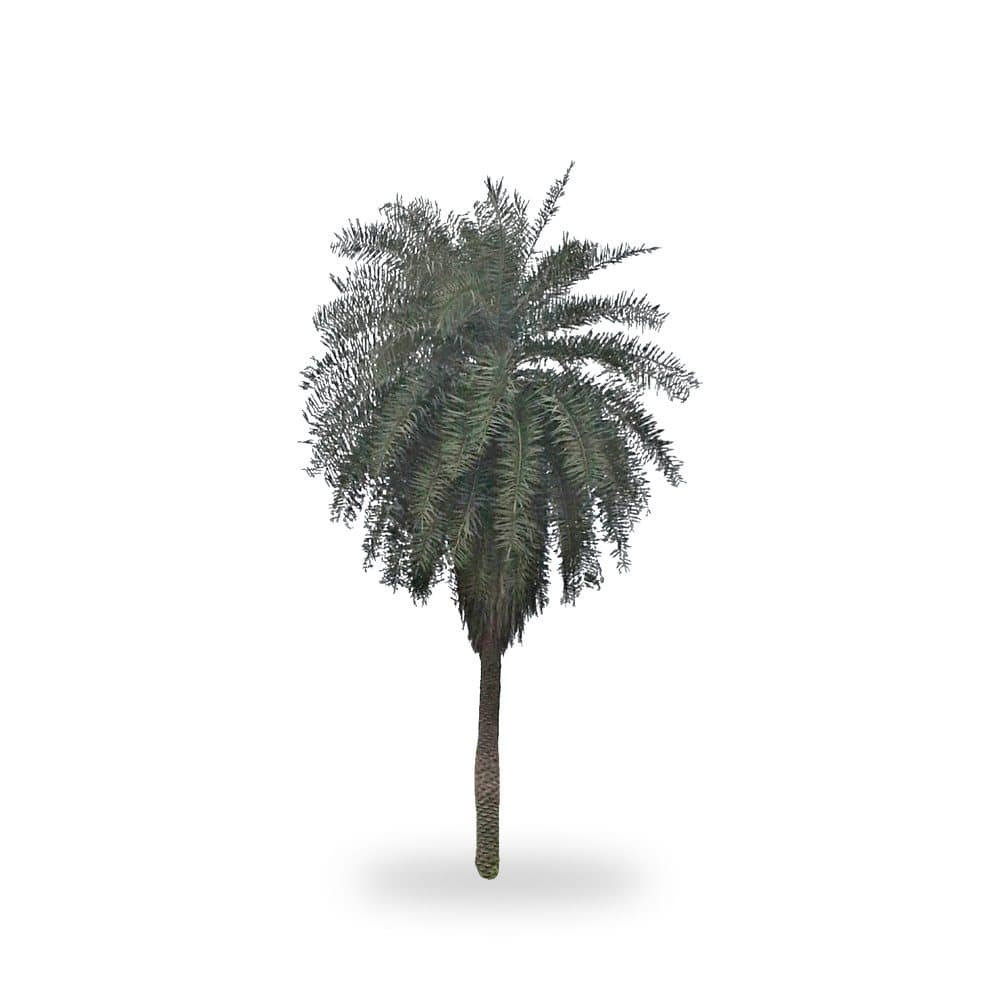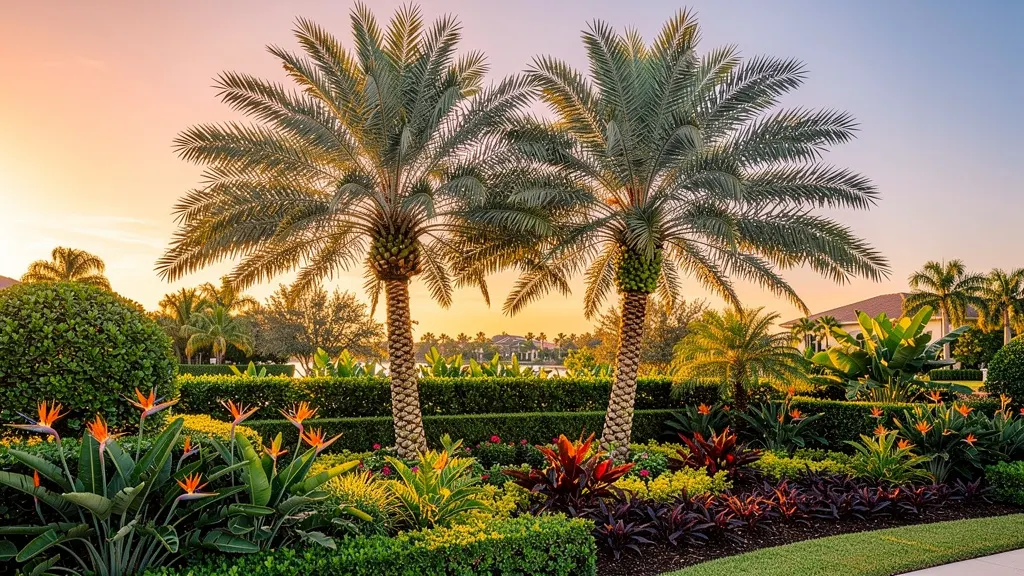
Sylvester palms are a popular choice for homeowners in Cape Coral due to their elegant appearance and resilience in Southwest Florida's climate. Here's what you need to know to grow and care for them successfully.
Soil Considerations
Sylvester palms thrive in well-draining soil that is rich in organic matter. In Cape Coral, the native soil can be sandy or clay-heavy, which may not be ideal for these palms. To ensure proper drainage and nutrient availability:
- ✓Amend the soil with compost or peat moss before planting.
- ✓Avoid heavy clay soils unless they are well-mixed with organic material.
- ✓Ensure the planting area has good drainage to prevent root rot.
Sylvester palms are not overly picky about soil pH, but a slightly acidic to neutral pH (6.0 to 7.5) is preferred.
Salt Tolerance
Living near the coast, Cape Coral homeowners often deal with salt spray from the Gulf of Mexico. Sylvester palms are moderately salt-tolerant, but they still require some care to thrive in this environment.
- ✓Plant them at least 20 to 30 feet away from the coast or saltwater sources.
- ✓Regularly rinse the fronds with fresh water during the summer months to reduce salt buildup.
- ✓Avoid overwatering, as this can increase salt concentration in the soil.
Proper placement and maintenance will help your Sylvester palms withstand the coastal climate.
Heat Tolerance
Sylvester palms are well-suited for the warm, humid climate of Southwest Florida. They can tolerate high temperatures, but they still need some attention during extreme heat.
- ✓Provide some afternoon shade if temperatures regularly exceed 100°F.
- ✓Water deeply but infrequently to encourage deep root growth.
- ✓Mulch around the base of the tree to retain moisture and regulate soil temperature.
With proper care, Sylvester palms can remain healthy and vibrant even during the hottest months of the year.
Rainy and Dry Season Care
Cape Coral experiences both wet and dry seasons, and Sylvester palms can adapt to these changes with the right care.
- ✓During the rainy season, ensure the soil is not waterlogged. Poor drainage can lead to root rot.
- ✓During the dry season, water the palm regularly to maintain soil moisture.
- ✓Apply a slow-release fertilizer during the growing season (spring and summer) to support healthy growth.
Regular monitoring of soil moisture and adjusting watering accordingly will help your Sylvester palms thrive through both seasons.
HOA Rules and Regulations
If you live in a community with a homeowners' association (HOA), it's important to be aware of any rules that may apply to Sylvester palms.
- ✓Check your HOA guidelines for any restrictions on palm species, height, or placement.
- ✓Some HOAs may require a landscape plan or permit before planting.
- ✓Always consult with your HOA before making any major landscaping changes.
Following HOA rules will help ensure your Sylvester palms are planted and maintained in compliance with community standards.
Lee County Norms and Practices
Lee County, which includes Cape Coral, has specific norms when it comes to palm tree care and planting.
- ✓Local nurseries and landscaping professionals often recommend Sylvester palms for their beauty and hardiness.
- ✓Many homeowners in the area plant Sylvester palms as a focal point in their landscapes.
- ✓Proper planting techniques and regular maintenance are key to long-term success.
By following local practices and seeking advice from experienced professionals, you can ensure your Sylvester palms are a valuable addition to your property.
If you're considering adding a Sylvester palm to your landscape, learn more about installation costs or explore our product page for more details. For a customized quote tailored to your property, request a quote today.
Soil Preparation and Amendments
In Southwest Florida, the native soil can be sandy and low in organic matter, which may not provide the ideal growing conditions for Sylvester palms. To improve soil quality, consider adding a layer of compost or well-rotted organic matter around the base of the palm. This helps retain moisture and provides essential nutrients. Additionally, incorporating a small amount of peat moss can improve water retention without making the soil too heavy. Avoid using too much mulch, as it can trap moisture and create conditions favorable for pests and diseases. Testing the soil periodically can also help you understand its pH and nutrient levels, allowing you to make informed amendments that support the long-term health of your Sylvester palm.
Pest and Disease Management
Sylvester palms in Southwest Florida can be susceptible to a few common pests and diseases that are specific to the region. Scale insects and mealybugs are frequent issues, especially in humid conditions. Regular inspections of the fronds and trunk can help catch infestations early. If detected, treat the affected areas with insecticidal soap or horticultural oil, which are safe for use on palms. Another concern is root rot, which can occur if the soil remains too wet for extended periods. Ensuring proper drainage and avoiding overwatering are key preventive measures. Additionally, keeping the area around the palm free of debris can reduce the risk of fungal infections. Prompt action at the first sign of any problem can help protect your Sylvester palm and maintain its health throughout the year.
If you're considering adding a Sylvester palm to your landscape, get a free quote.
Related Reading From Palm and Plant Co
- ✓Foxtail Palms in Cape Coral
- ✓Coconut Palms in Cape Coral
- ✓Sylvester Palms in North Fort Myers
- ✓Best Palm Trees for Tampa Bay Yards: What Survives a 9b Winter
- ✓Sylvester vs Canary Island Date Palm for Sarasota and Bradenton Homes: Cost, Look and Cold Hardiness