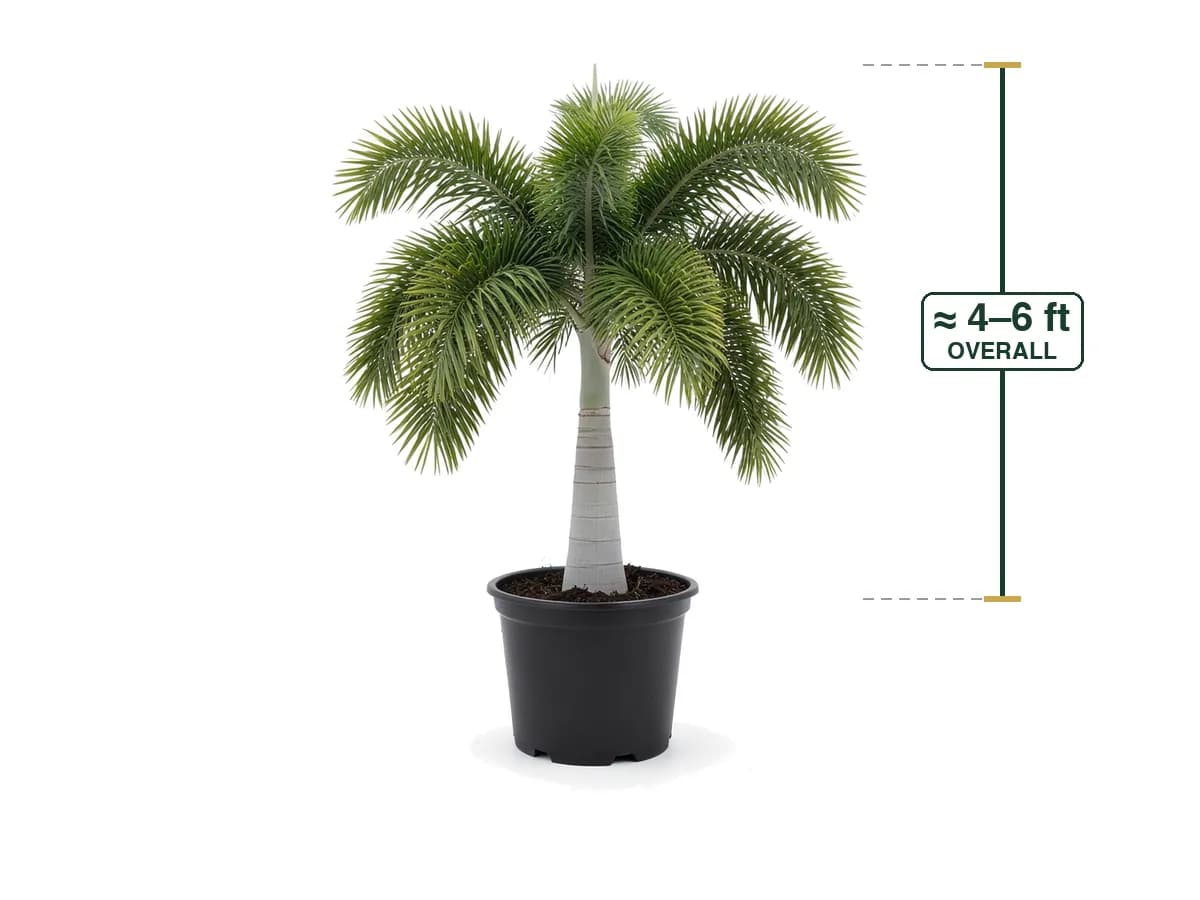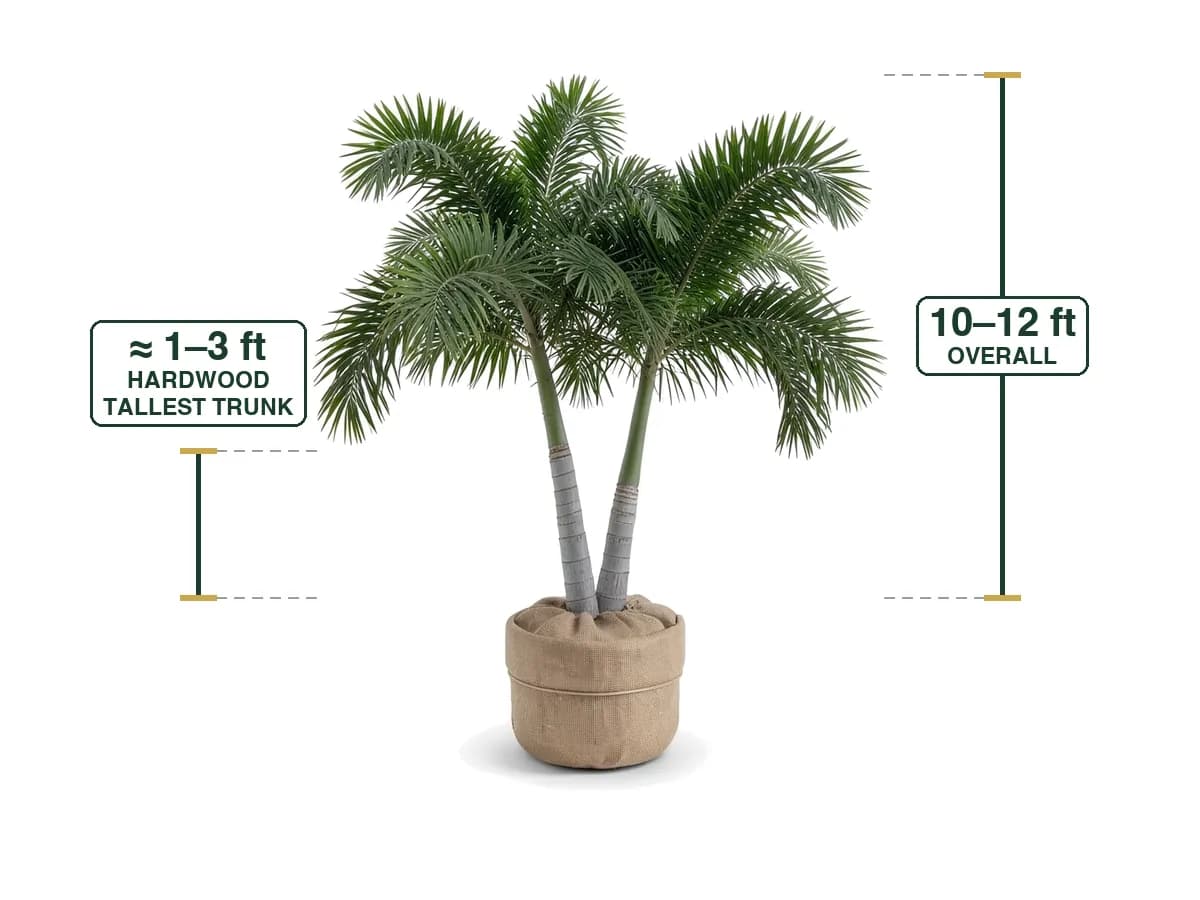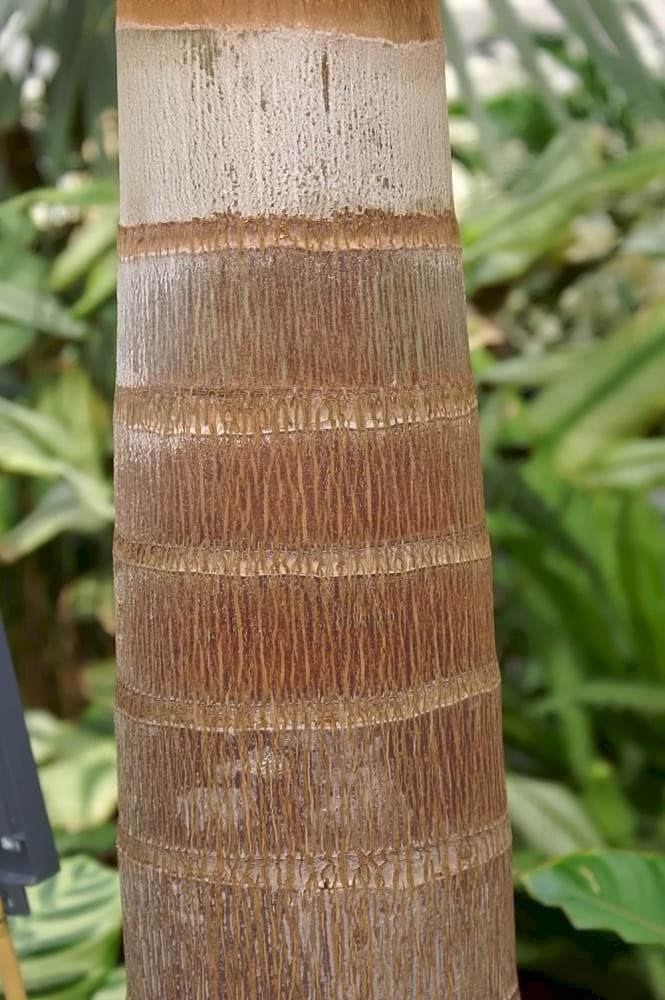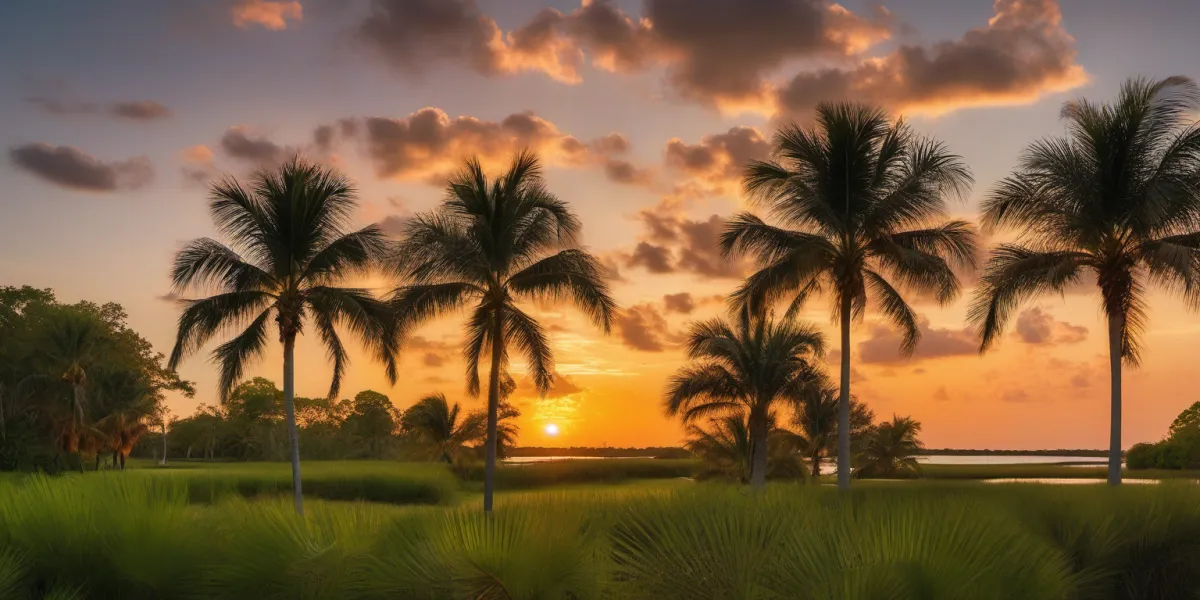
Foxtail palms are a popular choice for homeowners in Cape Coral due to their elegant appearance and resilience in the local climate. Here's how to care for them in Southwest Florida.
Soil Considerations
Foxtail palms thrive in well-draining soil that retains some moisture. In Cape Coral, it's important to avoid heavy clay soils that can lead to root rot. If your soil is dense or compacted, consider amending it with organic matter like compost or peat moss to improve drainage and aeration. A slightly acidic to neutral pH (between 6.0 and 7.5) is ideal. If you're unsure about your soil quality, a simple soil test can help you make the right amendments.
Salt Tolerance
Cape Coral's proximity to the Gulf of Mexico means salt spray can be a concern for many plants. Foxtail palms are moderately salt-tolerant, but they may show signs of stress near the coast. To help them thrive, avoid planting them too close to the water's edge. If you're in a coastal area, consider using a windbreak or planting them in a location that's sheltered from direct salt exposure. Regular rinsing with fresh water during periods of high salt exposure can also help maintain their health.
Heat Tolerance
Foxtail palms are well-suited to the hot, humid climate of Southwest Florida. They can handle temperatures well above 90°F, but they may need some protection during extreme heat waves. Providing some afternoon shade or ensuring they are planted in a location that receives partial shade during the hottest part of the day can help prevent leaf scorch. Mulching around the base of the palm can also help regulate soil temperature and retain moisture during dry spells.
Rainy and Dry Season Care
During the rainy season in Cape Coral, foxtail palms generally require little additional care. However, it's important to ensure that the planting area is not prone to waterlogging, as excessive moisture can lead to root rot. During the dry season, when rainfall decreases, it's a good idea to water the palms regularly, especially if they are newly planted or in a particularly dry area. A consistent watering schedule during dry periods helps maintain their health and appearance.
HOA Rules and Regulations
Homeowners in Cape Coral may need to consider local HOA rules when planting foxtail palms. Some communities have specific guidelines regarding the types of plants allowed, their height, and where they can be planted. Before installing foxtail palms on your property, it's a good idea to review your HOA's landscape guidelines or consult with your community manager. If you're unsure, many HOAs are open to discussing plant choices that align with both aesthetic and maintenance requirements.
Lee County Norms and Planting Practices
In Lee County, foxtail palms are a common sight in residential and commercial landscapes. They are favored for their low maintenance and ability to enhance curb appeal. When planting in Lee County, it's important to follow local best practices, such as planting at the correct depth and spacing. Avoid planting too close to structures or walkways, as foxtail palms can grow quite tall over time. If you're planning a large-scale planting project, consider working with a local nursery or landscaping professional who is familiar with Lee County's climate and soil conditions.
If you're considering adding foxtail palms to your landscape, you can get a detailed overview of installation options and pricing here. For a custom quote tailored to your specific needs, simply contact us. We're here to help you create a beautiful, thriving landscape in Cape Coral.
Soil Preparation and Drainage in Cape Coral
Foxtail palms thrive in well-draining soil, which is especially important in Cape Coral where the native soil can be sandy and prone to compaction. Before planting, it's a good idea to loosen the soil and mix in organic matter such as compost or peat moss to improve aeration and moisture retention. Avoid heavy clay soils or overly compacted areas, as these can hinder root development. If your planting site has poor drainage, consider elevating the planting area slightly or using raised beds to ensure excess water can drain away efficiently. Proper soil preparation not only helps foxtail palms establish strong root systems but also reduces the risk of diseases caused by waterlogged roots.
Pest and Disease Management in Southwest Florida
Foxtail palms are generally resistant to most pests and diseases, but in the warm, humid climate of Southwest Florida, they can occasionally be affected by scale insects or sooty mold. Regular inspections of the fronds and trunk can help catch infestations early. If scale is present, treating the affected areas with horticultural oil or insecticidal soap can be effective. Sooty mold, which often appears as a black, soot-like coating on the leaves, is typically a secondary issue caused by the honeydew secreted by scale or aphids. Keeping the area around the palm clean and pruning any heavily infested fronds can help prevent the spread of pests and maintain the health of the plant.
Related Reading From Palm and Plant Co
- ✓Best Palm Trees for Tampa Bay Yards: What Survives a 9b Winter
- ✓Sylvester vs Canary Island Date Palm for Sarasota and Bradenton Homes: Cost, Look and Cold Hardiness
- ✓Cold-Hardy Palms for Wesley Chapel and New Port Richey: A Pasco County Planting Guide
- ✓Bismarck Palm vs Other Options for Lehigh Acres Landscapes
- ✓Best Palm Trees for North Fort Myers Yards - Expert Growing Guide