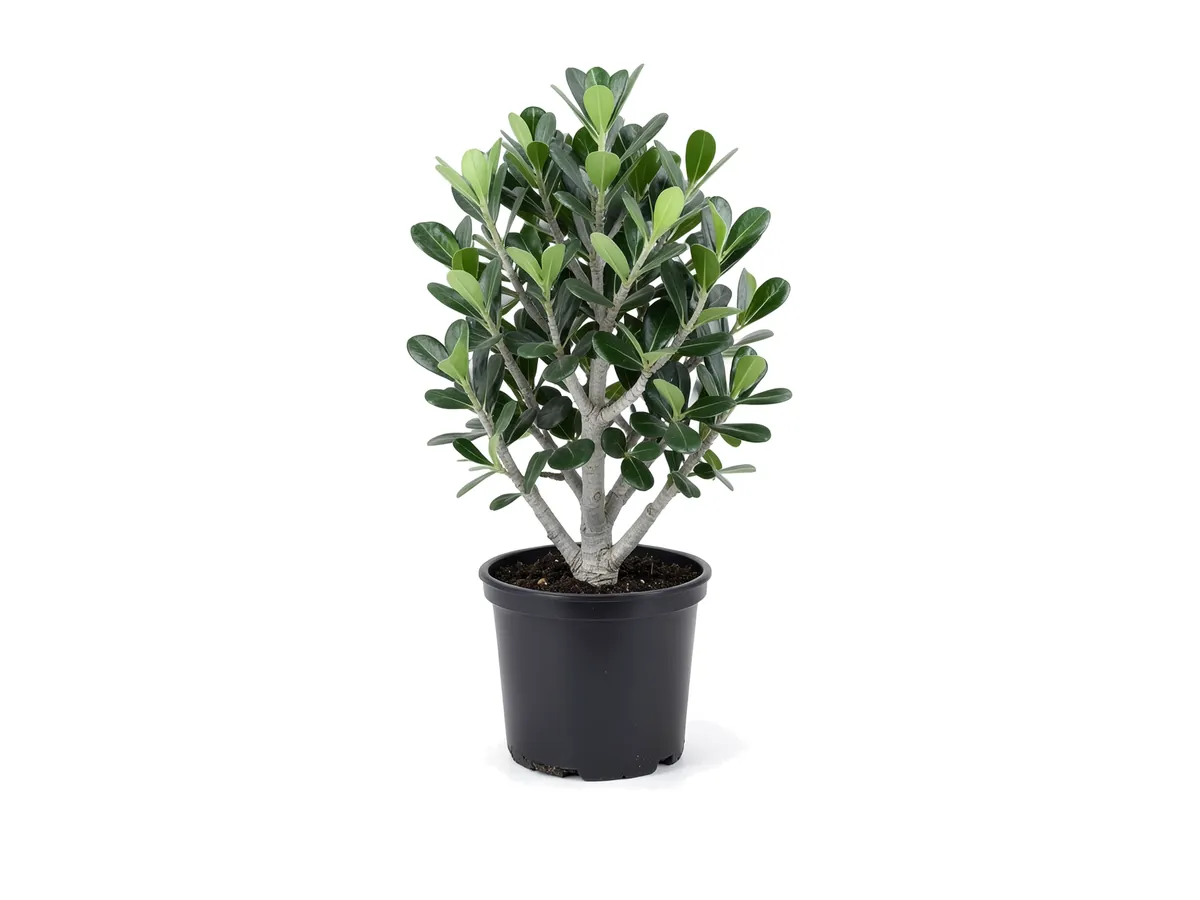
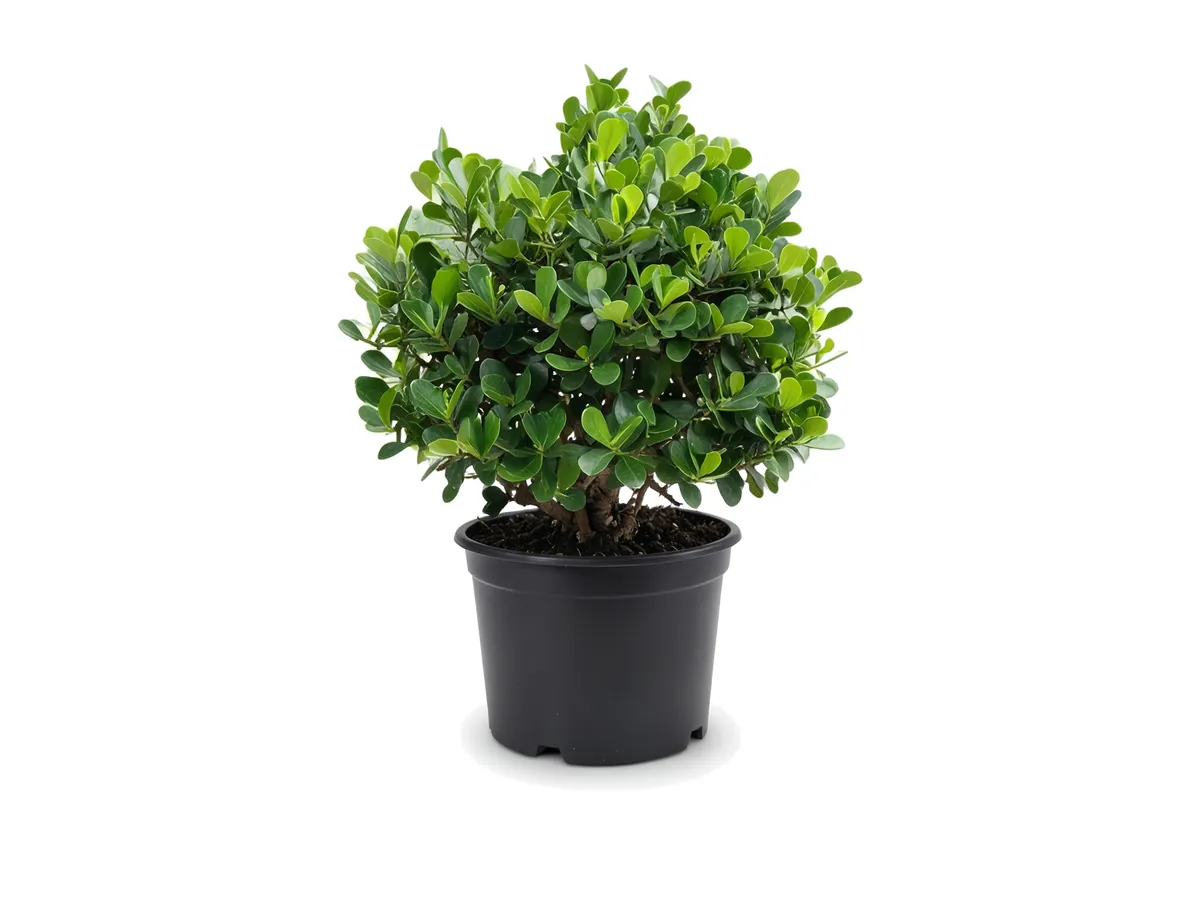
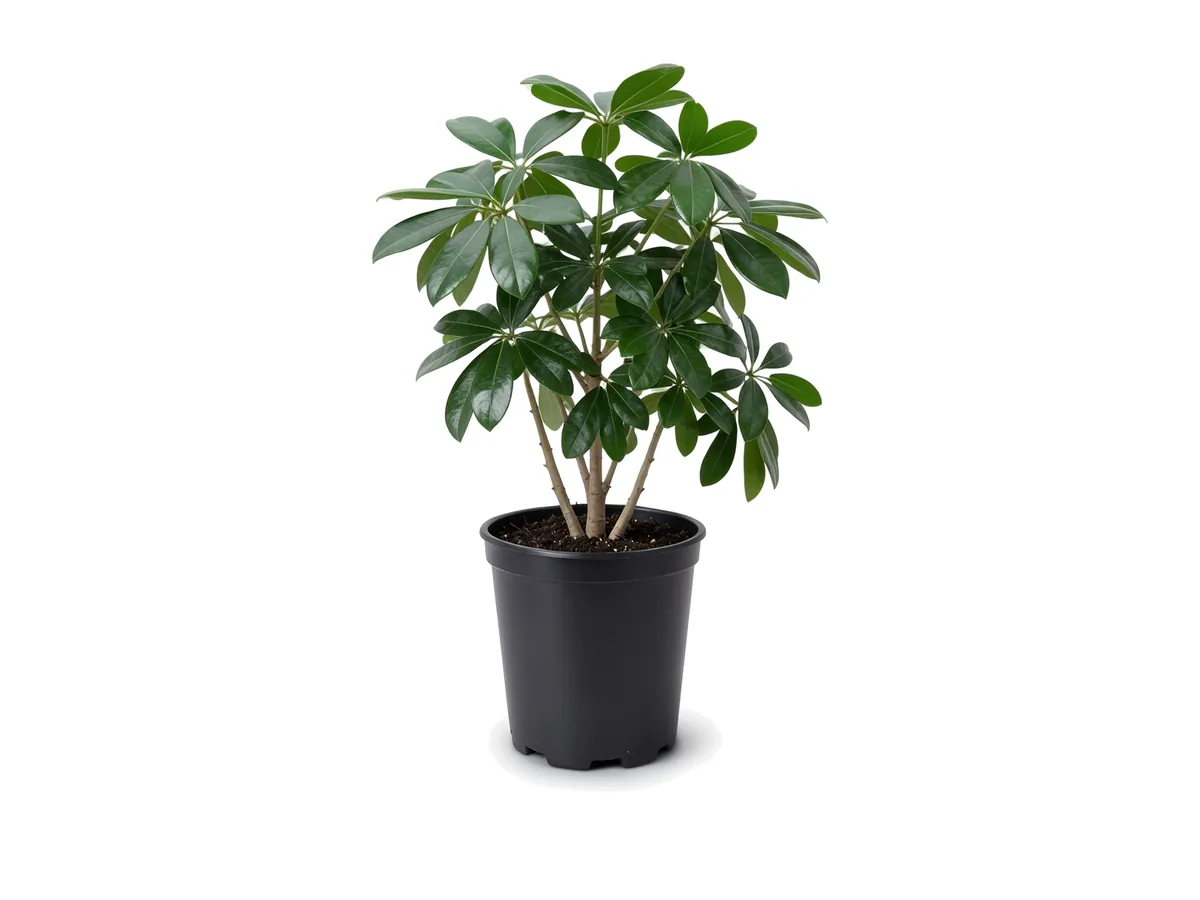
Looking for a low-maintenance, salt-tolerant hedge that thrives in SW Florida? Clusia, also known as green buttonwood, is an excellent choice for homeowners in Lehigh Acres.
Soil Considerations for Clusia Hedges
Clusia hedges are well-suited to a variety of soil types, but they perform best in well-draining soils. In Lehigh Acres, where soil can vary from sandy to clay, it's important to ensure proper drainage to prevent root rot. Avoid planting in areas with standing water or heavy clay without amending the soil. If your soil is particularly heavy, consider adding organic matter to improve aeration and drainage. Clusia can handle slightly acidic to neutral soil pH, but regular soil testing is recommended to maintain optimal conditions.
Salt Tolerance and Coastal Living
If you live near the coast or in an area that experiences frequent salt spray, clusia hedges are a smart choice. These plants are naturally salt-tolerant and can withstand exposure to coastal winds and salt-laden air. This makes them ideal for properties near the Gulf of Mexico or along canals and waterways where salt exposure is common. While they can handle some salt, it's still a good idea to plant them at least 20 feet away from direct salt spray if possible. Regular watering can also help dilute salt buildup in the soil.
Heat and Sun Exposure
Clusia hedges thrive in the hot, sunny climate of SW Florida. They are evergreen and can tolerate full sun, making them an excellent choice for hedges in Lehigh Acres where summer temperatures often exceed 90°F. However, young plants may benefit from some shade during the first few months after planting to help them establish strong root systems. Once established, they will handle full sun without issue. Their ability to handle heat makes them a great option for front or back yard hedges that receive direct sunlight throughout the day.
Rainy and Dry Season Care
In Lehigh Acres, the rainy season brings frequent rain, while the dry season can be quite hot and arid. Clusia hedges are adaptable to these conditions but do require some attention during extreme weather. During the rainy season, ensure that the soil is not waterlogged, as excessive moisture can lead to root rot. In contrast, during dry seasons, provide regular deep watering to keep the soil consistently moist but not soggy. Mulching around the base of the plants can help retain moisture and regulate soil temperature.
HOA Rules and Clusia Hedges
Homeowners in Lehigh Acres who are part of a homeowners association (HOA) should review their community guidelines before planting a clusia hedge. Many HOAs have specific rules about hedge height, width, and species. Clusia is often preferred because of its dense growth and natural appearance, but it's always best to confirm with your HOA before planting. Some communities may require a permit or have restrictions on plant height. If you're unsure, check HOA guidelines or consult with your HOA board to ensure your clusia hedge meets all requirements.
Lee County Norms and Clusia Hedges
In Lee County, clusia hedges are a popular choice for both residential and commercial properties. Their ability to thrive in the local climate, salt tolerance, and low maintenance make them a favorite among homeowners. When planting in Lee County, consider the spacing between plants to allow for proper growth and density. A typical spacing of 3 to 4 feet apart is recommended for a dense hedge. If you're unsure about the best practices for planting in Lee County, visit our clusia product page for more information or request a quote for professional planting services.
Get Started with Your Clusia Hedge
If you're ready to transform your yard with a low-maintenance, salt-tolerant hedge, clusia is an excellent choice. Whether you're looking for a privacy screen, a windbreak, or a decorative feature, clusia hedges can provide long-term beauty and functionality. For more information on clusia hedge costs, check our page or contact us for a free quote and consultation. Call (239) 799-5594 or text (239) 763-0625 to get started.
Soil Preparation in Lehigh Acres
Before planting clusia hedges in Lehigh Acres, it's important to prepare the soil properly. The region's soil can vary from sandy to clay-based, so testing the soil for pH and drainage is a good first step. Clusia prefers well-draining soil, so if your soil is heavy or compacted, consider adding organic matter like compost or peat moss to improve aeration and moisture retention. Avoid planting in areas with standing water or poor drainage, as this can lead to root issues over time. When planting, dig a hole slightly larger than the root ball and backfill with a mix of native soil and organic amendments to give the clusia a strong start. Proper soil preparation can make a big difference in the long-term health and growth of your clusia hedge.
Pruning and Shaping Techniques
Pruning clusia hedges in Lehigh Acres should be done with care to maintain their natural shape while promoting dense growth. The best time to prune is during the cooler months, typically in late winter or early spring, before new growth begins. Use sharp, clean pruning shears to make clean cuts and avoid damaging the plant. For a formal hedge, trim the sides evenly, keeping the top slightly wider than the base to allow for proper light penetration. If you're shaping the hedge for a specific purpose, such as a privacy screen or windbreak, focus on maintaining a uniform height and density. Regular light pruning throughout the year can also help keep the hedge looking neat and healthy. Avoid heavy pruning during the summer months, as this can stress the plant and make it more susceptible to pests or disease.
Related Reading From Palm and Plant Co
- ✓Clusia Hedges in Naples, Florida
- ✓Clusia Hedges in Sanibel, Florida
- ✓Planting Foxtail Palms in Lehigh Acres, Florida
- ✓Foxtail Palms in Lehigh Acres
- ✓Lehigh Acres Planting Advice: Delivered vs Planted