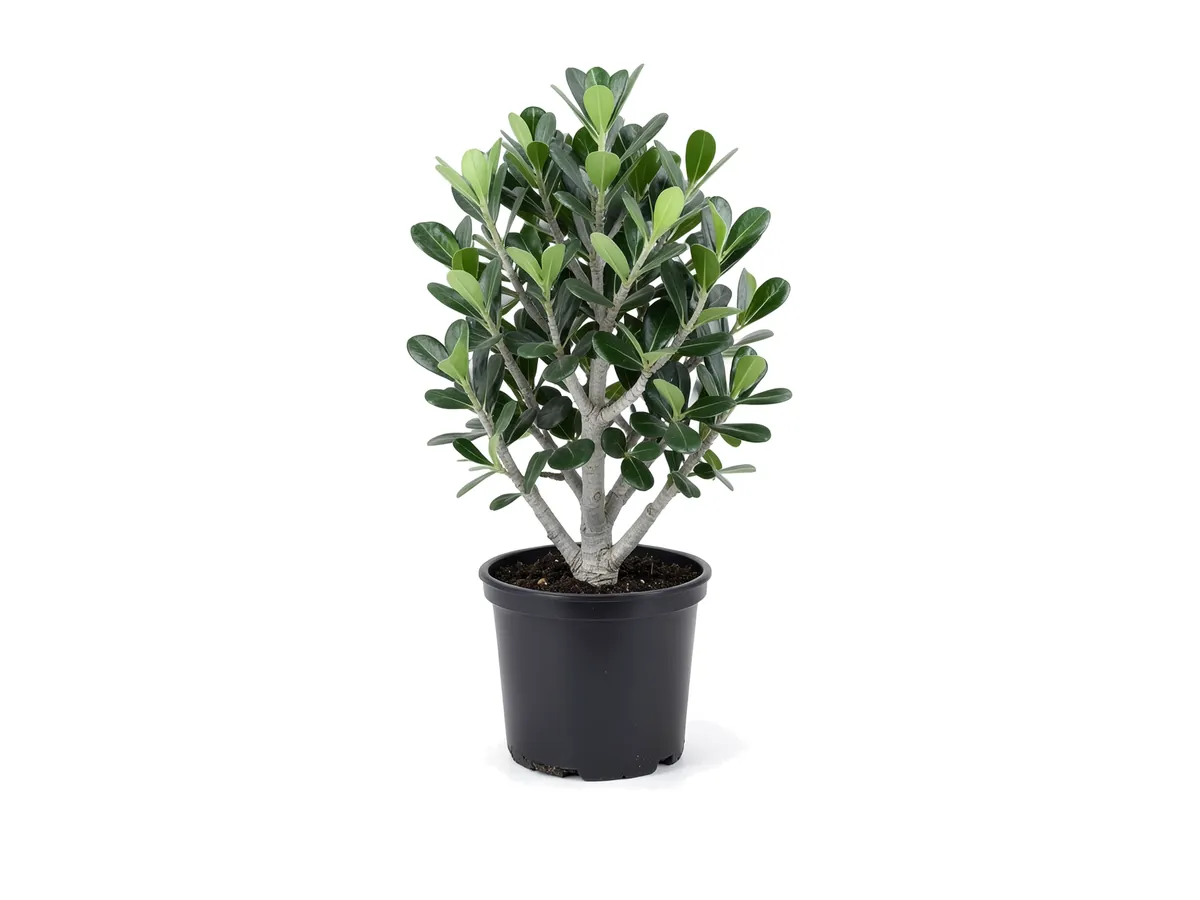
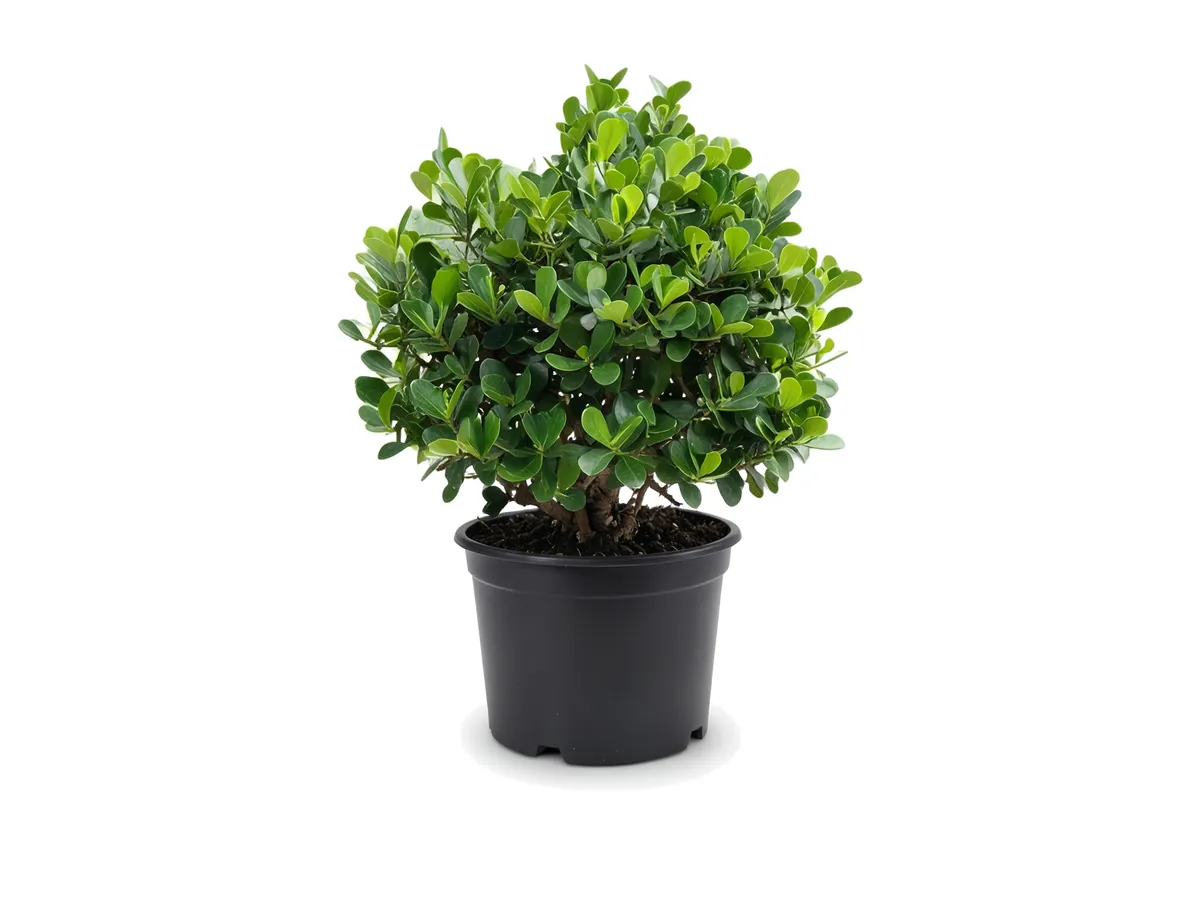
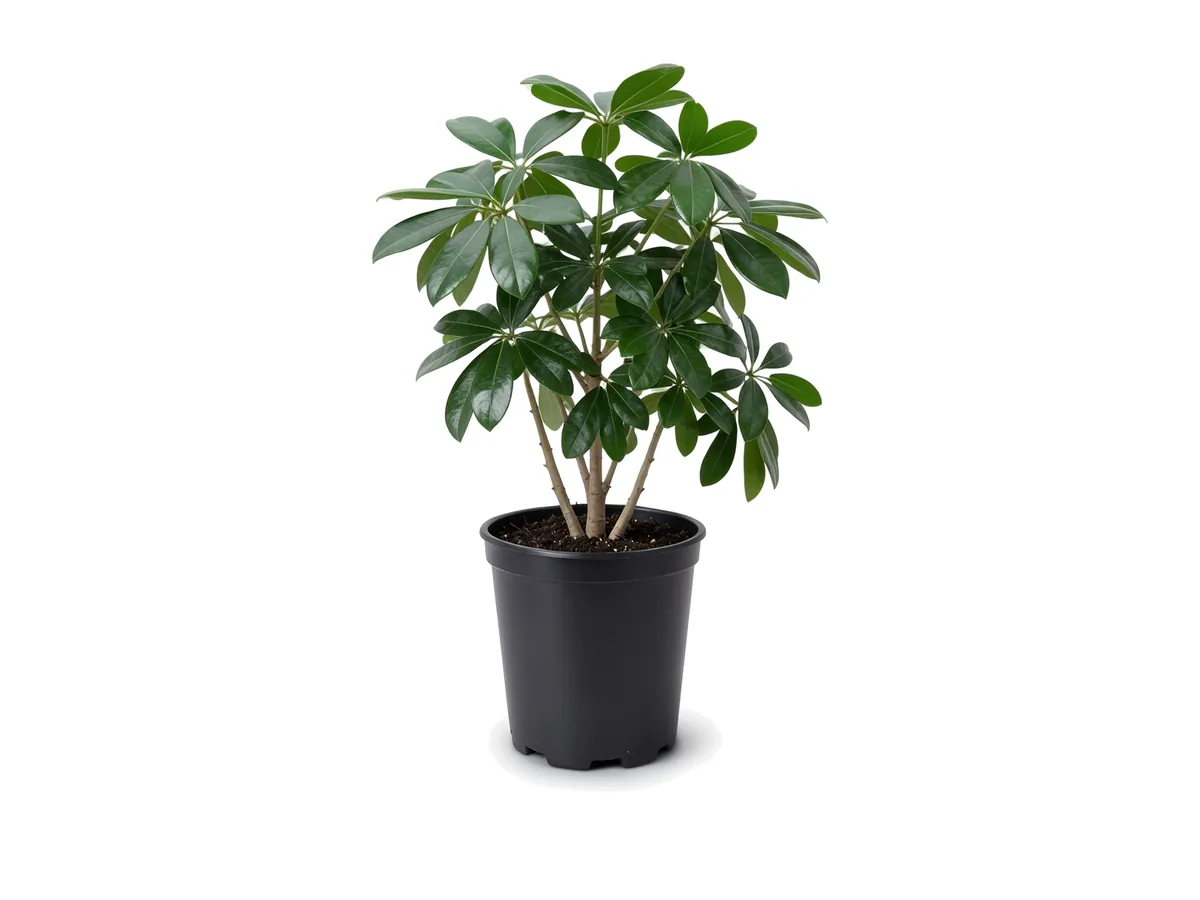
If you're looking for a low-maintenance, salt-tolerant hedge that thrives in Southwest Florida's unique climate, clusia is a top choice for Sanibel homeowners. This post covers everything you need to know about growing and maintaining clusia hedges in Sanibel.
Soil Considerations for Clusia Hedges
Clusia hedges are adaptable but perform best in well-drained soils. In Sanibel, where sandy soils are common, clusia can thrive if given proper care. Here are a few tips:
- ✓Ensure the planting area has good drainage to avoid root rot.
- ✓Avoid heavy clay soils, which can hold too much moisture.
- ✓If planting in a new area, consider adding compost to improve soil structure without altering pH significantly.
- ✓Clusia prefers slightly acidic to neutral soil (pH 5.5 to 7.5).
A healthy root system is essential for long-term hedge success. For more details on planting and soil preparation, see our guide on clusia hedge cost.
Salt Tolerance and Coastal Care
Sanibel's coastal location means salt exposure is a concern for many plants. Clusia is naturally salt-tolerant, making it an excellent choice for homes near the beach or in areas with high wind exposure.
- ✓Clusia can withstand salt spray from ocean breezes and coastal winds.
- ✓Regular watering during dry periods helps the hedge recover from salt stress.
- ✓Avoid over-fertilizing, which can make the plant more sensitive to salt.
- ✓Prune any damaged or discolored leaves to encourage new growth.
If you're considering a clusia hedge for a coastal property, learn more about our clusia product.
Heat and Drought Resilience
Clusia hedges are well-suited for Sanibel's hot and humid summers, as well as its dry winter months. They are drought-tolerant once established, which is a major advantage in Southwest Florida's fluctuating weather.
- ✓Clusia requires minimal watering once established, making it ideal for low-maintenance landscaping.
- ✓During the dry season (typically November through March), water deeply but infrequently to encourage deep root growth.
- ✓In the rainy season (May through October), avoid overwatering, as clusia is susceptible to root rot in waterlogged soil.
- ✓Mulching around the base of the hedge helps retain moisture and regulate soil temperature.
HOA Rules and Lee County Norms
When planning a clusia hedge in Sanibel, it's important to be aware of local regulations and HOA guidelines. Lee County and many Sanibel neighborhoods have specific rules about hedge height, width, and species.
- ✓Check with your HOA or neighborhood association for specific guidelines on hedge height and placement.
- ✓Clusia is often preferred for its natural, informal appearance and low maintenance.
- ✓In some areas, a maximum height of 4 to 6 feet may be required for hedges.
- ✓Always confirm that clusia is an approved species in your community.
For more information on how to navigate HOA rules, request a quote and let our team help you find the best solution for your property.
Practical Planting and Maintenance Tips
Planting and maintaining a clusia hedge in Sanibel requires a few key practices to ensure long-term success.
- ✓Plant clusia in early spring or late fall when the weather is cooler.
- ✓Space plants about 2 to 3 feet apart to allow for proper growth and density.
- ✓Prune the hedge in early spring to maintain shape and encourage branching.
- ✓Use a slow-release fertilizer in spring to support growth without over-stimulating the plant.
- ✓Monitor for pests like scale or mealybugs, which can occasionally affect clusia.
Regular maintenance will help your clusia hedge remain healthy and attractive throughout the year.
Call to Action
Ready to transform your Sanibel property with a low-maintenance, salt-tolerant hedge? Clusia is a great choice for homeowners looking for beauty and resilience. Request a quote to get started and let our team help you create the perfect hedge for your home. Call (239) 799-5594 or text (239) 763-0625 for more details.
Soil Preparation and Drainage Considerations
In Sanibel, proper soil preparation is essential for the long-term health of a clusia hedge. The naturally sandy soils of Southwest Florida drain quickly, which can be both a benefit and a challenge. To support clusia growth, ensure the planting area has good drainage by avoiding low-lying areas prone to water pooling. If necessary, amend the soil with organic matter such as compost or peat moss to improve moisture retention without compromising drainage. Avoid heavy clay soils, which can restrict root growth and lead to waterlogging. When planting, dig a hole slightly larger than the root ball and backfill with a mix of native soil and organic material to promote healthy root development. Proper soil preparation sets the foundation for a resilient, thriving clusia hedge that can withstand Sanibel’s unique environmental conditions.
Coastal Planting Zones and Wind Protection
When planting a clusia hedge in Sanibel, it's important to consider the specific coastal planting zones and natural wind patterns that influence plant growth. Clusia thrives in areas with moderate to high wind exposure, but extreme wind conditions can cause damage to young plants. For the best results, plant clusia in zones that are sheltered by natural features such as dunes, mangroves, or existing vegetation. If your property is in an open area with strong ocean breezes, consider installing temporary windbreaks or using taller, more wind-resistant plants as a buffer. Clusia can be pruned to maintain a compact shape, which helps it better withstand wind stress. By selecting the right location and providing appropriate wind protection, you can ensure your clusia hedge remains healthy and visually appealing for years to come.
Ready to transform your Sanibel property with a low-maintenance, salt-tolerant hedge? Clusia is a great choice for homeowners looking for beauty and resilience. get a free quote to get started and let our team help you create the perfect hedge for your home.
Related Reading From Palm and Plant Co
- ✓Sylvester Palms in Sanibel
- ✓Clusia Hedges in Naples, Florida
- ✓Podocarpus Hedges for Sanibel Homeowners
- ✓Coconut Palms in Sanibel, Florida
- ✓Sanibel Planting Advice: Delivered vs Planted