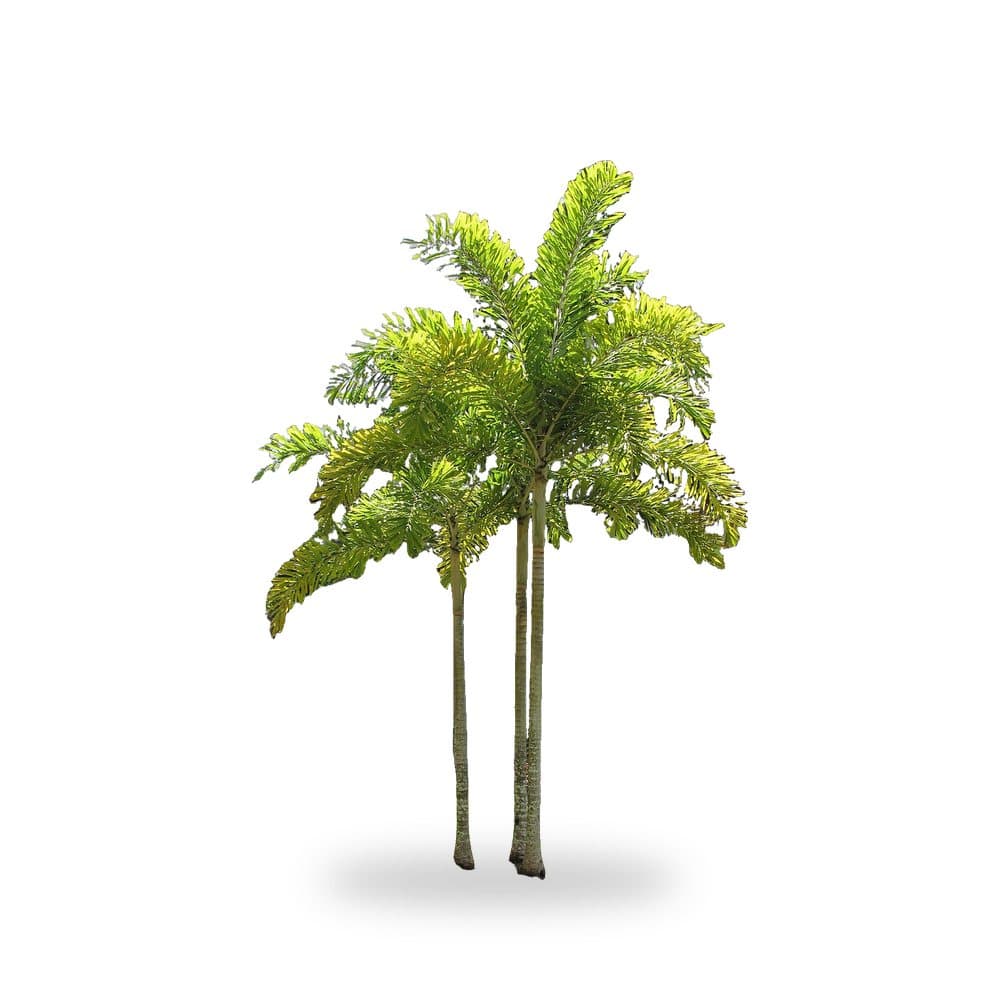
Foxtail palms are a popular choice for homeowners in North Fort Myers due to their elegant appearance and adaptability to local conditions. Here’s what you need to know about growing and caring for these palms in Southwest Florida.
Soil Considerations
Foxtail palms thrive in well-draining soil. In North Fort Myers, it’s common to have sandy or loamy soils, which are generally ideal. However, heavy clay soils can hinder drainage and lead to root rot. To ensure proper growth, consider the following:
- ✓Amend heavy soils with organic matter such as compost or peat moss to improve drainage.
- ✓Avoid overwatering, especially in poorly draining areas.
- ✓Test your soil pH. Foxtail palms prefer a slightly acidic to neutral pH range (6.0 to 7.5).
Salt Tolerance
North Fort Myers is close to the Gulf of Mexico, which means salt spray can be a concern for plants. Foxtail palms are moderately salt-tolerant, but prolonged exposure to salt can cause leaf burn and stunted growth.
- ✓Plant foxtail palms at least 30 feet away from the coast to reduce salt exposure.
- ✓Regularly rinse the foliage with fresh water during periods of high salt exposure.
- ✓Avoid using fertilizers high in sodium, which can accumulate in the soil and harm the palms.
Heat and Sun Exposure
Foxtail palms are well-suited for the hot, humid climate of Southwest Florida. They can tolerate full sun, but young palms may need some protection during the hottest part of the day.
- ✓Plant foxtail palms in areas that receive at least 6 hours of direct sunlight daily.
- ✓Young palms should be shaded during the first few months after planting to prevent sun scorch.
- ✓Mulching around the base of the palm helps regulate soil temperature and retain moisture.
Rainy and Dry Season Care
Southwest Florida experiences distinct rainy and dry seasons. Proper care during these periods ensures the long-term health of your foxtail palms.
- ✓During the rainy season (May to October), reduce watering frequency. Foxtail palms are drought-tolerant and can suffer from root rot if overwatered.
- ✓During the dry season (November to April), water deeply but infrequently. Allow the soil to dry slightly between waterings.
- ✓Monitor for signs of stress, such as yellowing fronds, and adjust watering accordingly.
HOA Rules and Regulations
If you live in a neighborhood with a Homeowners Association (HOA), it’s important to check local rules before planting foxtail palms.
- ✓Review your HOA’s landscape guidelines to ensure foxtail palms are permitted and meet any size or placement requirements.
- ✓Some HOAs may have specific rules regarding the number of palms, their height, or the types of plants allowed.
- ✓Always obtain necessary approvals before planting, especially if you're replacing existing vegetation.
Lee County Norms and Local Expertise
Lee County has specific norms for plant care and selection that align with local climate and soil conditions. Understanding these can help you maintain healthy foxtail palms.
- ✓Local nurseries and landscape professionals in Lee County can provide tailored advice for your specific area.
- ✓Foxtail palms are commonly seen in both residential and commercial landscapes across Lee County due to their adaptability.
- ✓If you're unsure about planting or care, contact a local expert for guidance.
If you’re considering adding foxtail palms to your landscape, learn more about installation costs or request a quote to get started. Our team can help you select the right palms and ensure they thrive in your North Fort Myers yard. Contact us at (239) 799-5594 for more information or to schedule a consultation.
Soil Drainage and Amendment Practices
In North Fort Myers, soil drainage can vary significantly depending on the specific area, with some parts of the region having heavier clay soils that retain moisture longer than others. Foxtail palms thrive in well-draining soil to prevent root rot and other fungal issues. If your soil is heavy or compacted, consider amending it with organic matter such as compost or peat moss to improve aeration and drainage. Raised planting beds or mounds can also be effective in areas with poor drainage, helping to elevate the root zone and promote healthier growth. Regularly checking the soil texture and adjusting as needed ensures your foxtail palms have the best possible growing conditions tailored to the local environment.
Pest and Disease Management in Southwest Florida
Foxtail palms in Southwest Florida can be susceptible to certain pests and diseases that are more prevalent in the region's warm, humid climate. Common pests include scale insects and mealybugs, which can weaken the palm by feeding on its sap. Fungal diseases such as root rot and leaf spot may also occur, especially in poorly drained soils or during periods of excessive moisture. Regular inspections of the foliage and trunk can help catch infestations or infections early. Applying horticultural oil or insecticidal soap can be an effective, eco-friendly way to control pests. For fungal issues, ensuring proper air circulation around the palms and avoiding overwatering are key preventive measures. Local nurseries in Southwest Florida can also recommend region-specific treatments and products that are safe for use around palms and other landscape plants.
Related Reading From Palm and Plant Co
- ✓Foxtail Palms in Cape Coral
- ✓Best Palm Trees for North Fort Myers Yards — Expert Growing Guide
- ✓Best Palm Trees for Tampa Bay Yards: What Survives a 9b Winter
- ✓Sylvester vs Canary Island Date Palm for Sarasota and Bradenton Homes: Cost, Look and Cold Hardiness
- ✓Cold-Hardy Palms for Wesley Chapel and New Port Richey: A Pasco County Planting Guide