Creating a dense, privacy hedge in Sanibel requires choosing the right plant for the unique conditions of Southwest Florida. Podocarpus is a popular choice due to its resilience and ability to form thick, attractive hedges.
Choosing the Right Podocarpus Variety
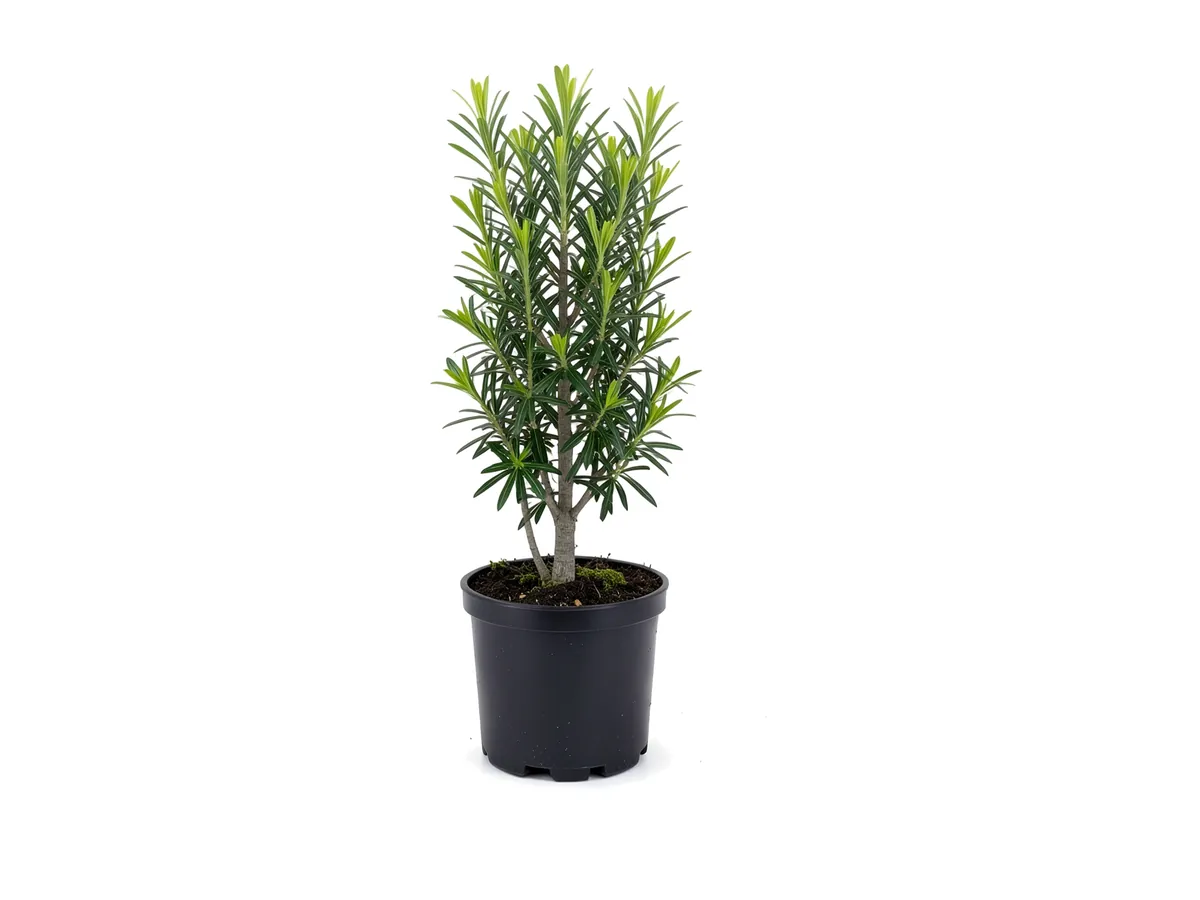
When selecting a podocarpus variety for your hedge, consider the growth rate, density, and overall appearance. The most recommended varieties for Sanibel include Podocarpus macrophyllus (also known as Chinese Podocarpus) and Podocarpus gracilis (Mexican Podocarpus). These varieties are known for their ability to grow quickly and form dense foliage, making them ideal for creating a natural privacy barrier.
- ✓Podocarpus macrophyllus is a fast-growing, evergreen shrub that can reach up to 25 feet in height if left unpruned. It thrives in full sun and has a compact form that makes it easy to shape.
- ✓Podocarpus gracilis is slightly more compact and is often used for smaller hedges. It has a more upright growth habit and is well-suited for tight spaces.
For more information on podocarpus varieties and their suitability for your Sanibel property, visit our product page.
Soil Considerations for Podocarpus Hedges
Podocarpus plants prefer well-drained soil but can adapt to a variety of soil types. In Sanibel, where soil can be sandy or loamy, it's important to ensure proper drainage to prevent root rot. Adding organic matter such as compost or peat moss can improve soil structure and help retain moisture without becoming waterlogged.
Avoid planting podocarpus in areas where water tends to pool, as this can lead to poor root development and increased susceptibility to disease. If your soil is particularly sandy, consider using mulch to help retain moisture and regulate soil temperature.
Salt and Coastal Exposure
Sanibel’s proximity to the Gulf of Mexico means that salt spray can be a concern for many plants. While podocarpus is relatively salt-tolerant, it's best to plant them at least 20 to 30 feet away from the coastline to avoid the most intense salt exposure. This distance helps reduce leaf burn and overall stress on the plants.
If you're planning a hedge near the beach or a saltwater inlet, consider using Podocarpus macrophyllus as it has better salt tolerance compared to other varieties. Regularly rinsing the foliage with fresh water during the summer months can also help mitigate the effects of salt spray.
Heat and Rain Season Adaptability
Podocarpus is well-suited for the hot and humid climate of Sanibel. These plants thrive in full sun and can tolerate the intense heat of Southwest Florida summers. During the rainy season, their dense foliage helps prevent excessive moisture from reaching the roots, reducing the risk of root rot.
In the dry season, podocarpus may require occasional watering to maintain healthy growth, especially if planted in sandy soils. However, once established, these plants are quite drought-tolerant and do not require frequent irrigation.
HOA Rules and Lee County Norms
Before planting a podocarpus hedge, it's important to check with your Homeowners Association (HOA) for any specific guidelines or restrictions. Many HOAs in Lee County have rules regarding the height, width, and type of plants that can be used for hedges.
In Lee County, it's common for HOAs to require a minimum hedge height of 4 to 6 feet to ensure adequate privacy. Podocarpus is a popular choice among HOAs due to its low maintenance and uniform appearance. If you're unsure about your HOA's requirements, it's a good idea to review your community's bylaws or consult with a local landscape professional.
For more information on podocarpus hedge installation and pricing, visit our privacy hedge page.
Call to Action
Creating a lush, private hedge with podocarpus is a great way to enhance your Sanibel property. Whether you're looking for a quick solution or a long-term investment, our team is here to help. Call (239) 799-5594 or text (239) 763-0625 to schedule a consultation or request a quote. For more details on our services, visit our quote page.
Pest and Disease Management
Podocarpus hedges in Sanibel can occasionally face challenges from pests such as scale insects and mealybugs, which thrive in the warm, humid conditions typical of Southwest Florida. Regular inspection of the foliage and stems can help catch infestations early. If pests are present, using a gentle stream of water to dislodge them or applying neem oil can be effective, non-toxic solutions. It's also important to avoid over-fertilization, as excessive nitrogen can make podocarpus more susceptible to pest problems. Additionally, ensuring good air circulation by spacing plants appropriately or trimming dense growth can help prevent fungal diseases. In Sanibel, where the climate is conducive to year-round plant growth, maintaining a consistent care routine is key to keeping podocarpus hedges healthy and vibrant without the need for harsh chemical treatments.
Pruning and Shaping for Southwest Florida Conditions
Pruning podocarpus hedges in Sanibel should be done with care to maintain their natural form while ensuring they thrive in the local climate. The best time to prune is during the cooler months, typically between late winter and early spring, to avoid stressing the plants during the hot summer season. When shaping hedges, it's important to avoid cutting back too much at once, as this can lead to sparse regrowth. Instead, trim in small increments over several sessions to maintain density and encourage even growth. In Sanibel, where strong winds can sometimes occur, it's also wise to leave a slightly rounded shape to reduce wind resistance and prevent breakage. Regular light trimming throughout the year can help keep the hedge neat and promote a full, lush appearance that complements the tropical landscape of Southwest Florida.
For more information on podocarpus hedge installation and pricing, visit get a free quote.
Related Reading From Palm and Plant Co
- ✓Podocarpus Hedges in Cape Coral
- ✓Sylvester Palms in Sanibel
- ✓Coconut Palms in Sanibel, Florida
- ✓Sanibel Planting Advice: Delivered vs Planted
- ✓Live Oaks and Shade Trees in Sanibel