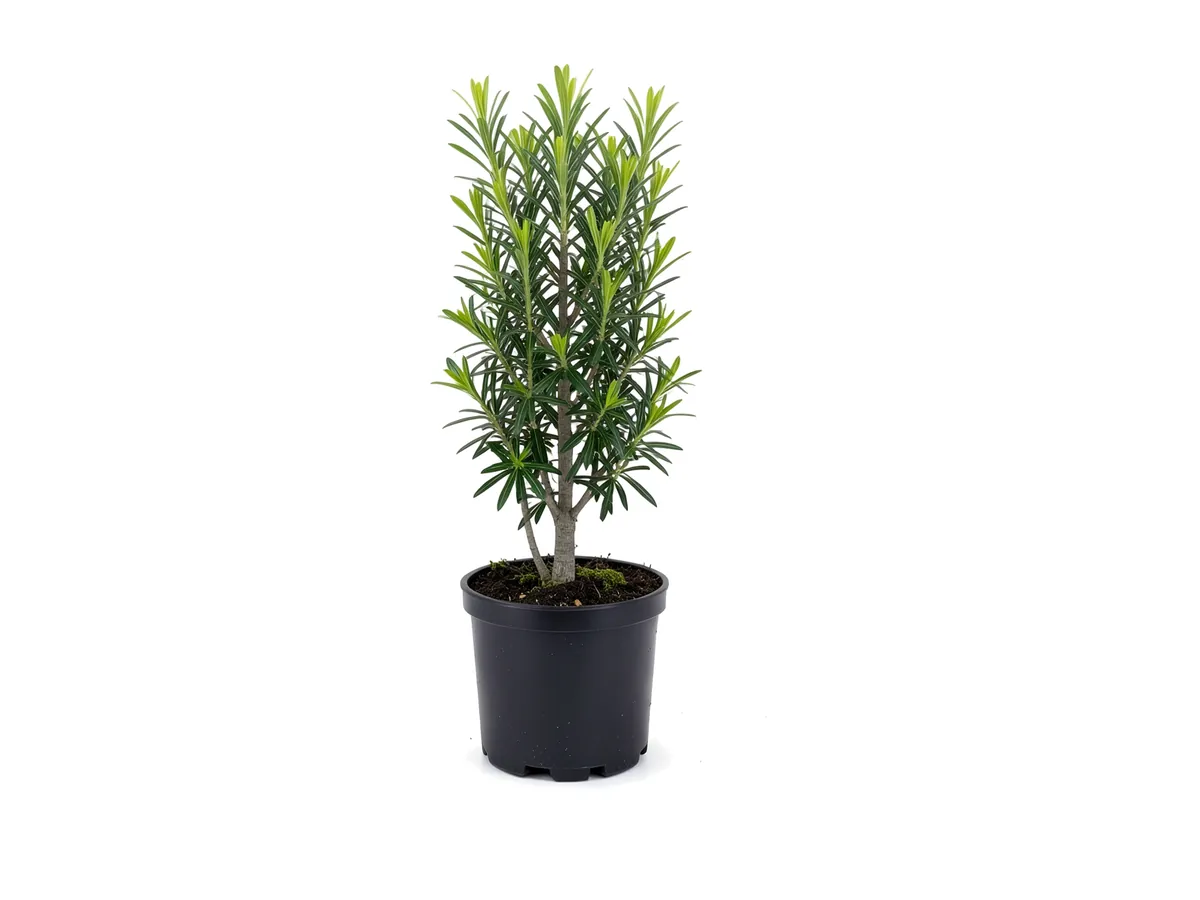
Podocarpus hedges are a popular choice for homeowners in Cape Coral, offering a low-maintenance, evergreen solution to define property lines and add natural beauty. This guide provides practical planting advice tailored to the unique conditions of Southwest Florida.
Soil Considerations for Podocarpus in Cape Coral
Podocarpus thrives in well-drained soil, making it an excellent fit for the sandy soils common in Cape Coral. However, proper preparation is essential to ensure long-term health:
- ✓Test your soil pH. Podocarpus prefers slightly acidic to neutral soil (pH 6.0 to 7.5). If your soil is too alkaline, consider amending it with organic matter like compost or peat moss.
- ✓Avoid heavy clay soils, which can lead to root rot. If your yard has poor drainage, consider creating a raised bed or installing drainage tiles.
- ✓Water thoroughly after planting to help the roots establish. Once established, podocarpus is drought-tolerant but will benefit from occasional deep watering during dry spells.
For more information on podocarpus care, visit our product page.
Salt Tolerance and Coastal Proximity
Cape Coral’s proximity to the Gulf of Mexico means many homes are exposed to salt spray, especially during the summer months. Podocarpus is relatively salt-tolerant, but some care is needed to ensure it thrives:
- ✓Plant podocarpus at least 15-20 feet away from the coast or areas with frequent salt exposure.
- ✓Regularly rinse the foliage with fresh water during the summer to remove accumulated salt.
- ✓Avoid using fertilizers high in sodium or chloride, as these can increase salt sensitivity.
If you're looking for a hedge that can handle coastal conditions, learn more about our podocarpus hedge installation options.
Heat and Sun Exposure
Podocarpus is well-suited to the hot, humid climate of Southwest Florida. However, proper placement and care can help it flourish:
- ✓Choose a location that receives full sun to partial shade. Podocarpus can tolerate some shade but will grow more densely in full sun.
- ✓During the hottest months, provide some afternoon shade if possible, especially for young plants.
- ✓Mulch around the base of the hedge to help retain moisture and regulate soil temperature.
Managing Rainy and Dry Seasons
Southwest Florida experiences both rainy and dry seasons, and podocarpus can adapt well with the right approach:
- ✓During the rainy season (May to October), ensure proper drainage to prevent root rot. Avoid overwatering, even if the ground is wet.
- ✓In dry seasons (November to April), water deeply once a week if there is no rainfall. Established hedges can handle some drought but will benefit from occasional irrigation.
- ✓Apply a layer of mulch to help retain soil moisture and reduce evaporation, especially during dry periods.
HOA and Lee County Regulations
If you're part of a homeowners association or live in Lee County, it’s important to be aware of local regulations that may affect your choice of hedge:
- ✓Check with your HOA for any specific guidelines regarding hedge height, width, or species. Some associations may require hedges to be trimmed to a certain height or may have restrictions on plant types.
- ✓In Lee County, it’s common for HOAs to prefer dense, evergreen hedges that provide privacy and visual appeal. Podocarpus fits this description well.
- ✓If you’re unsure about local rules, contact us for a quote and we can help you ensure your hedge meets all requirements.
Call to Action
Whether you're looking to install a new hedge or need advice on maintaining an existing one, our team is here to help. For a tailored solution that fits your property and needs, request a quote today. Call (239) 799-5594 or text (239) 763-0625 to speak with a plant professional.
Pest and Disease Resistance in Southwest Florida
Podocarpus is generally resistant to most pests and diseases common in Southwest Florida, but vigilance is key to maintaining a healthy hedge. Common threats include scale insects and spider mites, which can infest the foliage if conditions are favorable. Regular inspection of the hedge, especially during the warmer months, can help catch infestations early. A simple spray of water or a horticultural oil can often deter these pests without the need for harsh chemicals. Additionally, maintaining good air circulation by pruning the hedge properly can reduce the risk of fungal infections. If you notice any unusual discoloration or wilting, it’s best to address it promptly. With proper care and attention, podocarpus can remain a resilient and low-maintenance choice for your landscape.
Soil Preparation and Amendments for Cape Coral
Cape Coral’s soil is often sandy and well-draining, which is actually beneficial for podocarpus, as it prefers well-drained conditions. However, to ensure long-term health and vigor, it’s important to prepare the soil properly before planting. Incorporating organic matter such as compost or peat moss can improve water retention and provide essential nutrients. Avoid heavy clay soils or overly compacted areas, as these can hinder root growth. If your soil is particularly sandy and lacks nutrients, a slow-release, all-purpose fertilizer can be applied during planting. It’s also a good idea to test the soil pH, as podocarpus thrives in slightly acidic to neutral conditions (pH 6.0 to 7.5). Proper soil preparation sets the foundation for a lush, thriving hedge that will enhance your property for years to come.
Related Reading From Palm and Plant Co
- ✓Foxtail Palms in Cape Coral
- ✓Coconut Palms in Cape Coral
- ✓Sylvester Palms in Cape Coral
- ✓Royal Palms in Cape Coral
- ✓Areca Privacy Screens in Cape Coral