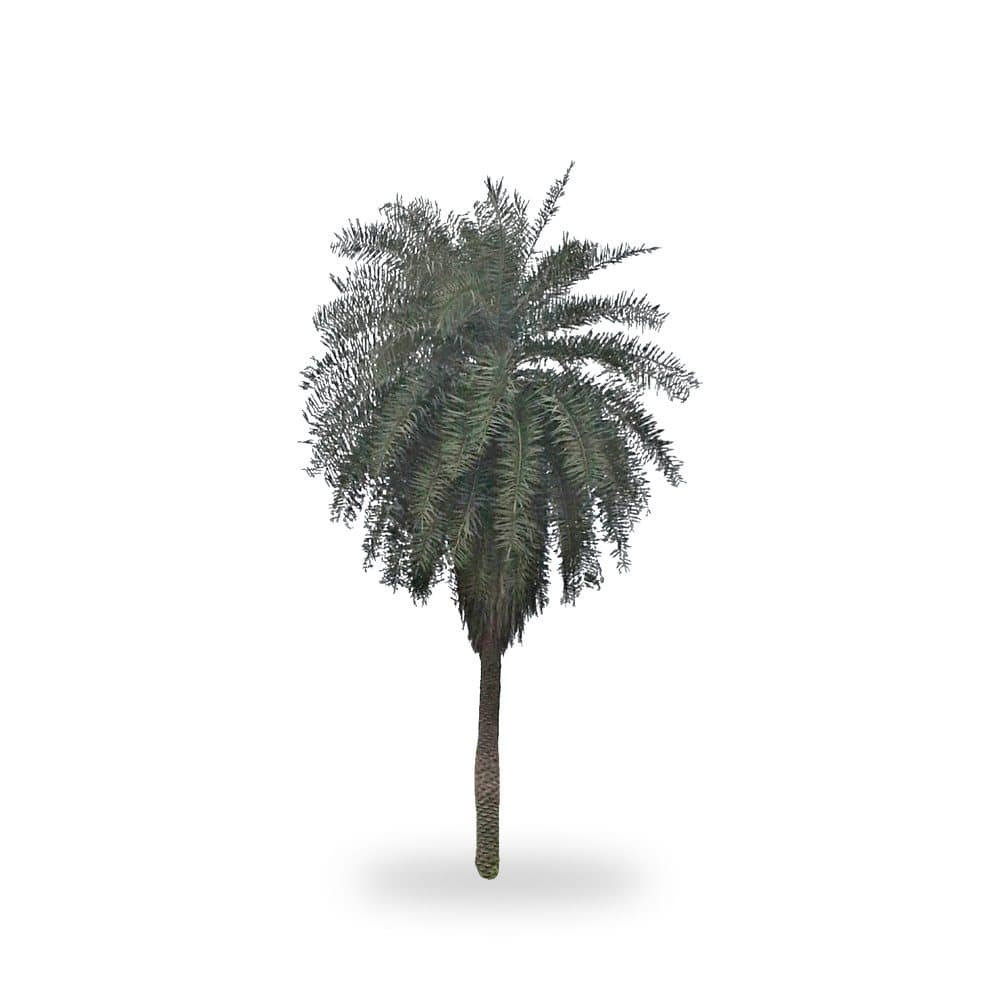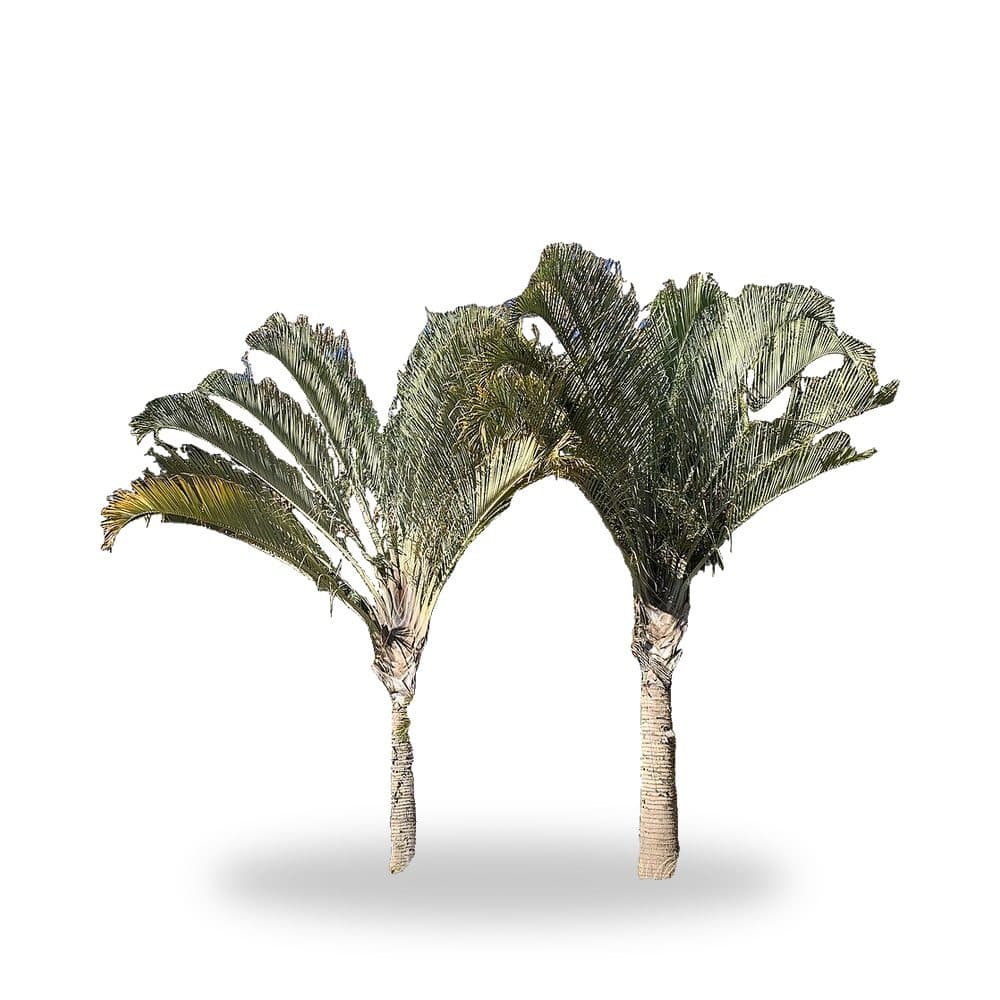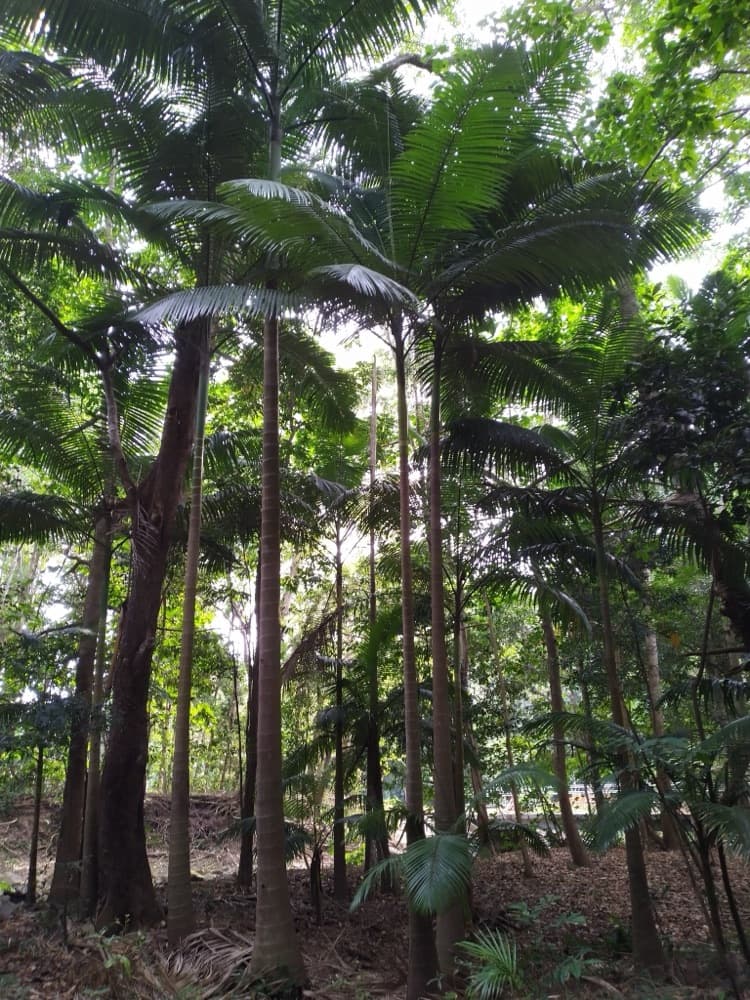
Sylvester palms are a popular choice for homeowners in North Fort Myers, offering a tropical look that thrives in the local climate. Here's what you need to know to grow and care for them successfully.
Soil Considerations
Sylvester palms prefer well-draining soil to avoid root rot. In North Fort Myers, the soil can be sandy or clay-heavy, so it's important to amend it with organic matter like compost or peat moss to improve drainage and nutrient content. Avoid heavy clay soils unless they are mixed with sand or perlite to ensure proper aeration. When planting, dig a hole twice as wide as the root ball and backfill with a mix of native soil and organic amendments.
Salt Tolerance
Salt can be a concern for coastal areas, but Sylvester palms are moderately salt-tolerant. However, they should be planted at least 20 feet away from the ocean or any saltwater spray. If you live near the coast, consider using a salt barrier like a windbreak or planting hardier salt-tolerant species closer to the shoreline. Regularly rinse the fronds with fresh water during the summer months to prevent salt buildup.
Heat and Sunlight
Sylvester palms thrive in full sun and can handle the intense heat of Southwest Florida. However, young palms may benefit from some afternoon shade to prevent sunscald. In North Fort Myers, where summer temperatures can be extreme, watering during the hottest part of the day should be avoided. Instead, water early in the morning or in the evening to reduce evaporation and ensure the roots receive adequate moisture.
Rainy and Dry Seasons
North Fort Myers experiences both rainy and dry seasons, and Sylvester palms can adapt to these conditions with proper care. During the rainy season, ensure that the planting area has good drainage to prevent waterlogging. In the dry season, water the palms deeply once a week if there is no rainfall. Mulching around the base of the tree helps retain soil moisture and regulate temperature, especially during dry spells.
HOA Rules and Regulations
If you live in a neighborhood with a Homeowners Association (HOA), it's important to check their rules before planting a Sylvester palm. Many HOAs have specific guidelines regarding plant height, species, and placement. Some may require a permit or approval before planting. Always review your HOA's covenants, conditions, and restrictions (CC&R) or contact the HOA office to ensure compliance. If you're unsure, a professional can help you navigate the process.
Lee County Norms and Planting Practices
Lee County has specific planting norms that can influence the success of your Sylvester palm. Local nursery professionals recommend planting in the spring or early fall to avoid extreme temperatures. When planting, ensure the root ball is level with the surrounding soil and not buried too deep. Regular pruning of dead fronds and maintaining a clean base around the tree can help prevent disease and pest infestations. For more specific guidance on planting and care, consider consulting a local expert.
Final Thoughts
If you're considering adding a Sylvester palm to your landscape in North Fort Myers, it's important to understand the specific needs of this species. From soil preparation to HOA compliance, each step plays a role in the long-term health of your tree. For a professional installation and tailored advice, learn more about our Sylvester palm installation options. If you're ready to take the next step, request a quote today and let our team help you bring your vision to life. Contact us at (239) 799-5594 for any questions or assistance.
Pest and Disease Management
Sylvester palms in North Fort Myers are generally resistant to most pests and diseases, but they can be susceptible to scale insects and sooty mold, especially in humid conditions. Regular inspection of the fronds and trunk can help catch infestations early. If scale is present, treat the affected areas with horticultural oil or insecticidal soap, following the instructions carefully. It's also wise to avoid over-fertilizing, as excess nitrogen can attract pests. Maintaining good air circulation around the tree by keeping the base clear of debris and overgrown vegetation can further reduce the risk of disease. In the event of a severe infestation, contacting a local arborist for targeted treatment options is recommended to protect the health of your Sylvester palm.
Soil Preparation and Amendments
Proper soil preparation is crucial for the successful growth of Sylvester palms in North Fort Myers. While these palms can tolerate a range of soil types, they thrive in well-draining soil with a slightly acidic to neutral pH. If your soil is heavy or clay-like, consider amending it with organic matter such as compost or peat moss to improve drainage and aeration. Avoid using heavy mulch or soil that can compact around the root ball, as this can hinder root development. When planting, ensure the root ball is not buried too deep, and the top of the root ball is level with the surrounding soil. Adding a layer of mulch around the base of the tree can help retain moisture and regulate soil temperature, but be sure to keep it a few inches away from the trunk to prevent rot.
Related Reading From Palm and Plant Co
- ✓Foxtail Palms in North Fort Myers
- ✓Best Palm Trees for North Fort Myers Yards — Expert Growing Guide
- ✓Best Palm Trees for Tampa Bay Yards: What Survives a 9b Winter
- ✓Sylvester vs Canary Island Date Palm for Sarasota and Bradenton Homes: Cost, Look and Cold Hardiness
- ✓Cold-Hardy Palms for Wesley Chapel and New Port Richey: A Pasco County Planting Guide