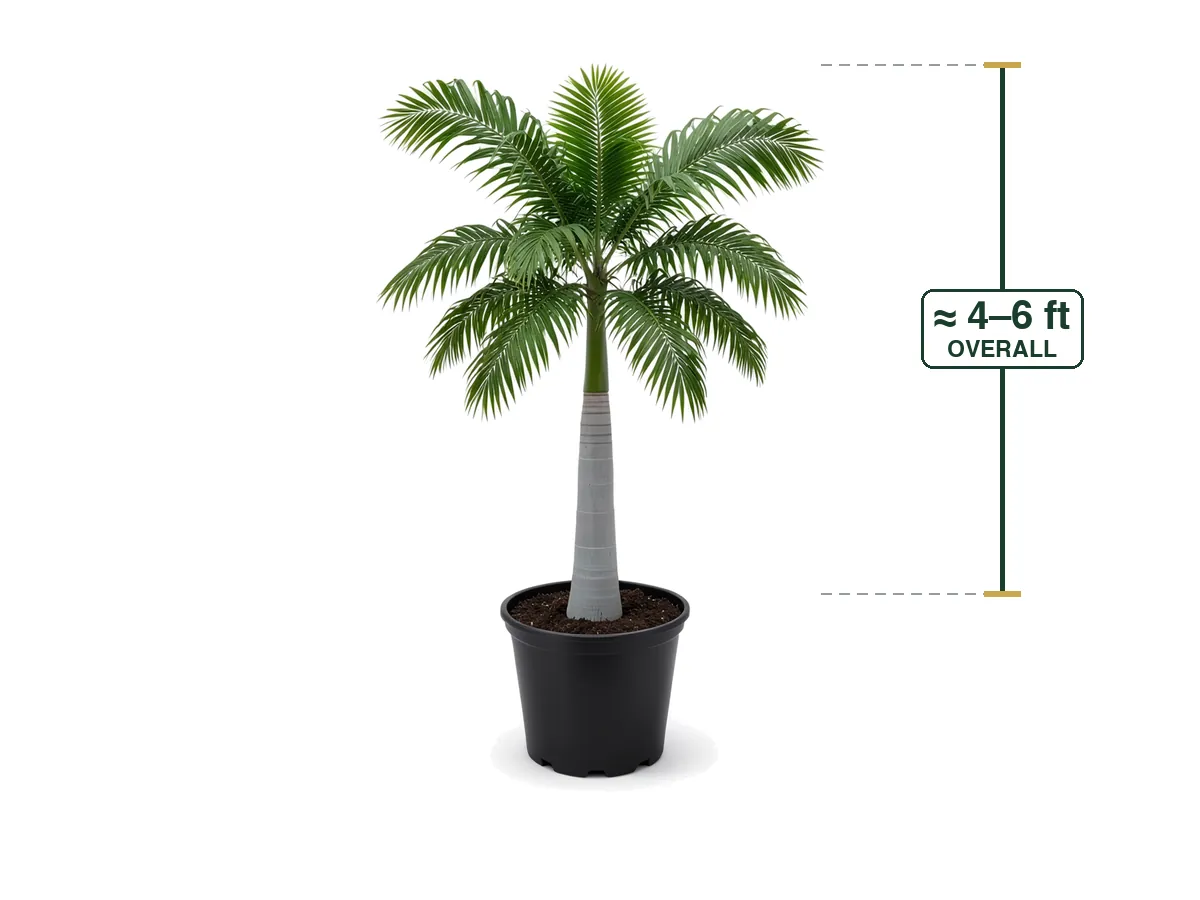
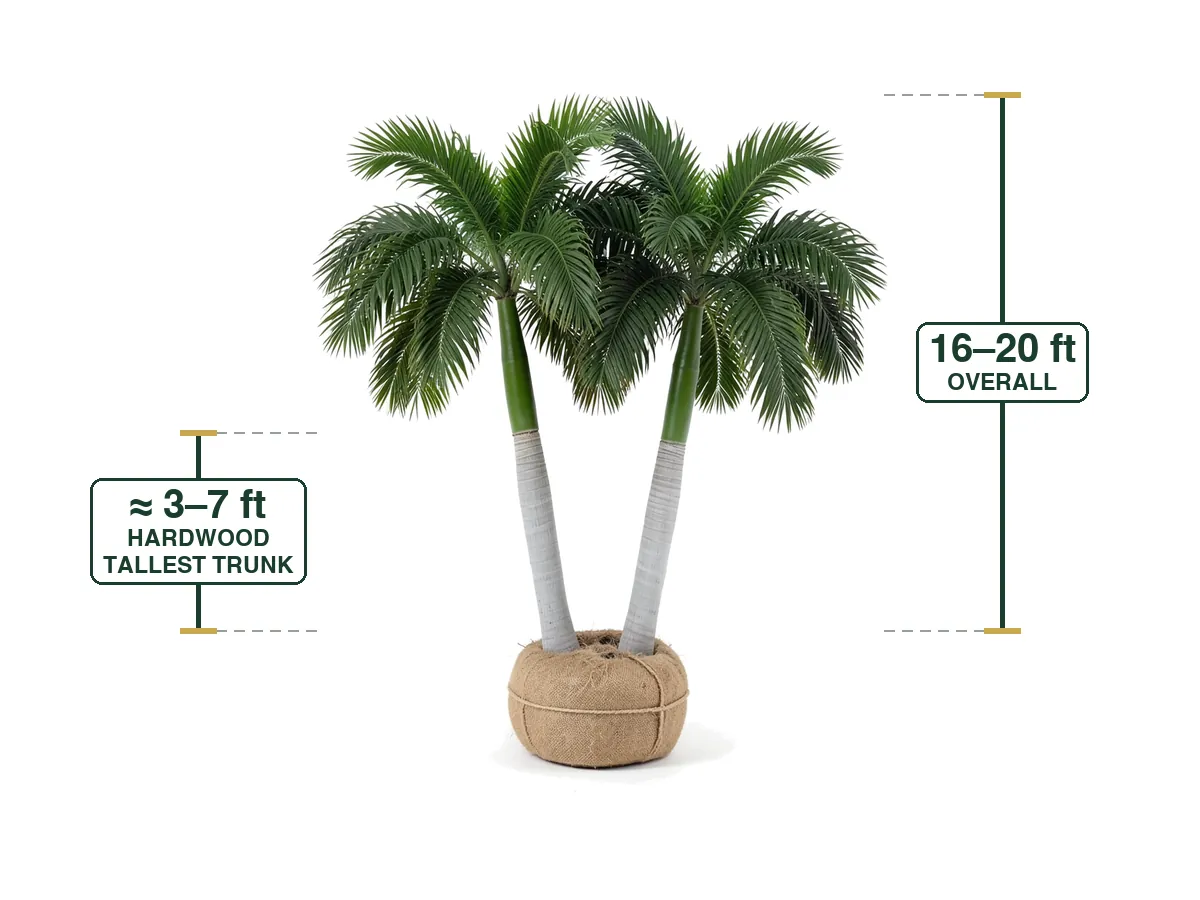
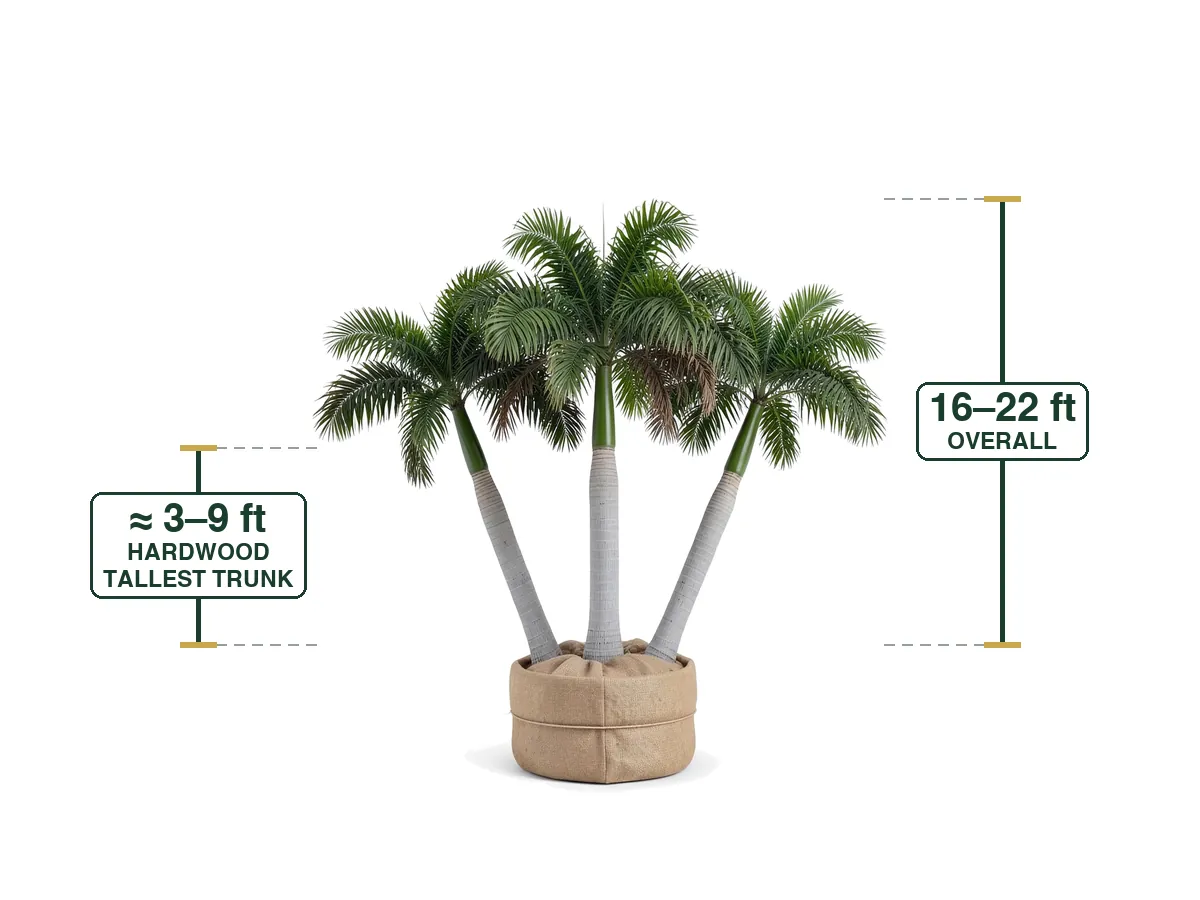
November brings cooler temperatures and the perfect opportunity to plant palms and trees in Cape Coral. With the right approach, you can ensure your royal palms thrive in Southwest Florida’s unique climate.
Soil Preparation for Royal Palms
Royal palms thrive in well-draining soil. In Cape Coral, it’s essential to assess your soil before planting. Sandy soils are common in the area and can be beneficial, but they may need amendments to retain moisture and nutrients.
- ✓Test your soil pH to ensure it falls between 6.0 and 7.5.
- ✓Add organic matter like compost to improve soil structure.
- ✓Avoid heavy clay soils, as they can lead to root rot.
- ✓Ensure the planting hole is twice as wide as the root ball and just as deep.
For more information on royal palms, learn more about royal palm installed price.
Managing Salt Exposure
Cape Coral’s proximity to the Gulf of Mexico means salt spray can affect newly planted palms. Salt can damage foliage and hinder growth, especially during the winter months when winds are more frequent.
- ✓Choose planting locations that are at least 10 feet away from coastal areas.
- ✓Use windbreaks or barriers to reduce salt exposure.
- ✓Rinse foliage with fresh water during high salt periods.
- ✓Avoid using fertilizers high in sodium or chloride.
If you’re considering planting a royal palm, explore our royal palm product page.
Heat and Sunlight Considerations
Although November is a cooler month, it’s still important to consider how royal palms will handle the heat of the coming months. These palms are hardy but benefit from proper placement.
- ✓Plant royal palms in areas that receive full sun, but avoid direct exposure during the hottest part of the day.
- ✓Provide some shade during the first few weeks after planting to reduce stress.
- ✓Water regularly until the palm is established.
- ✓Mulch around the base to help retain moisture and regulate soil temperature.
Rainy and Dry Season Planning
Southwest Florida experiences distinct wet and dry seasons, and planting in November allows you to take advantage of the upcoming rainy season. However, it’s still important to be prepared for dry spells.
- ✓Water deeply and infrequently to encourage strong root development.
- ✓Use drip irrigation systems for efficient water use.
- ✓Monitor soil moisture, especially during dry periods.
- ✓Avoid overwatering, which can lead to root rot.
Understanding HOA Rules
Homeowners in Cape Coral often live in neighborhoods with Homeowners Associations (HOAs), which may have specific rules about planting trees and palms. It’s important to be aware of these guidelines before planting.
- ✓Check your HOA’s landscaping rules for height, species, and placement restrictions.
- ✓Some HOAs require approval before planting large trees or palms.
- ✓Be prepared to submit a landscape plan or request for permission.
- ✓Always use the proper channels to ensure compliance and avoid fines.
Lee County Norms and Local Expertise
Lee County has unique environmental conditions and landscaping norms that can influence the success of your royal palm. Understanding local practices can help ensure your palm thrives.
- ✓Consult with local nurseries or gardening experts for tailored advice.
- ✓Use native or well-adapted species that are known to perform well in Lee County.
- ✓Follow local planting guidelines for timing and care.
- ✓Consider professional installation for large or difficult-to-plant palms.
If you’re ready to get started, request a quote today.
Call (239) 799-5594 or text (239) 763-0625 for help with planting, care, or installation. Whether you’re planting a single royal palm or transforming your landscape, Florida Palm and Plant Co. is here to help you achieve a beautiful, thriving yard in Cape Coral. Request a quote today to begin your project.
Soil Preparation and Drainage in Southwest Florida
Royal palms thrive in well-draining soil, which is especially important in Southwest Florida’s often sandy and sometimes heavy clay soils. Before planting, take the time to assess and improve your soil’s structure. Incorporating organic matter such as compost or peat moss can enhance water retention and nutrient availability without compromising drainage. Avoid planting in low-lying areas where water tends to pool, as this can lead to root rot and other issues. If your soil is particularly dense, consider creating raised planting beds to ensure proper aeration and drainage. Proper soil preparation sets the foundation for healthy root development and long-term palm growth, making it a crucial step for any new planting project in the region.
Managing Pest and Disease Pressure in the Area
Cape Coral and surrounding areas can be prone to specific pests and diseases that may affect royal palms, such as palm weevils and fungal infections. Proactive management is key to maintaining the health of your palms. Inspect new plantings regularly for signs of infestation or disease, such as wilting fronds, discolored areas, or unusual insect activity. Using preventive treatments like neem oil or horticultural soap can help deter pests without harming beneficial insects. Additionally, maintaining proper spacing between palms allows for better air circulation, reducing the risk of fungal growth. If you notice any signs of disease or infestation, it’s important to act quickly and consult with a local horticultural expert for targeted solutions.
If you’re ready to get started, get a free quote.
Related Reading From Palm and Plant Co
- ✓Royal Palms in Cape Coral
- ✓Podocarpus Hedges in Cape Coral
- ✓Royal Palms in North Fort Myers
- ✓Sylvester Palms in Cape Coral: Planting in November
- ✓Planting Royal Palms in Marco Island, Florida