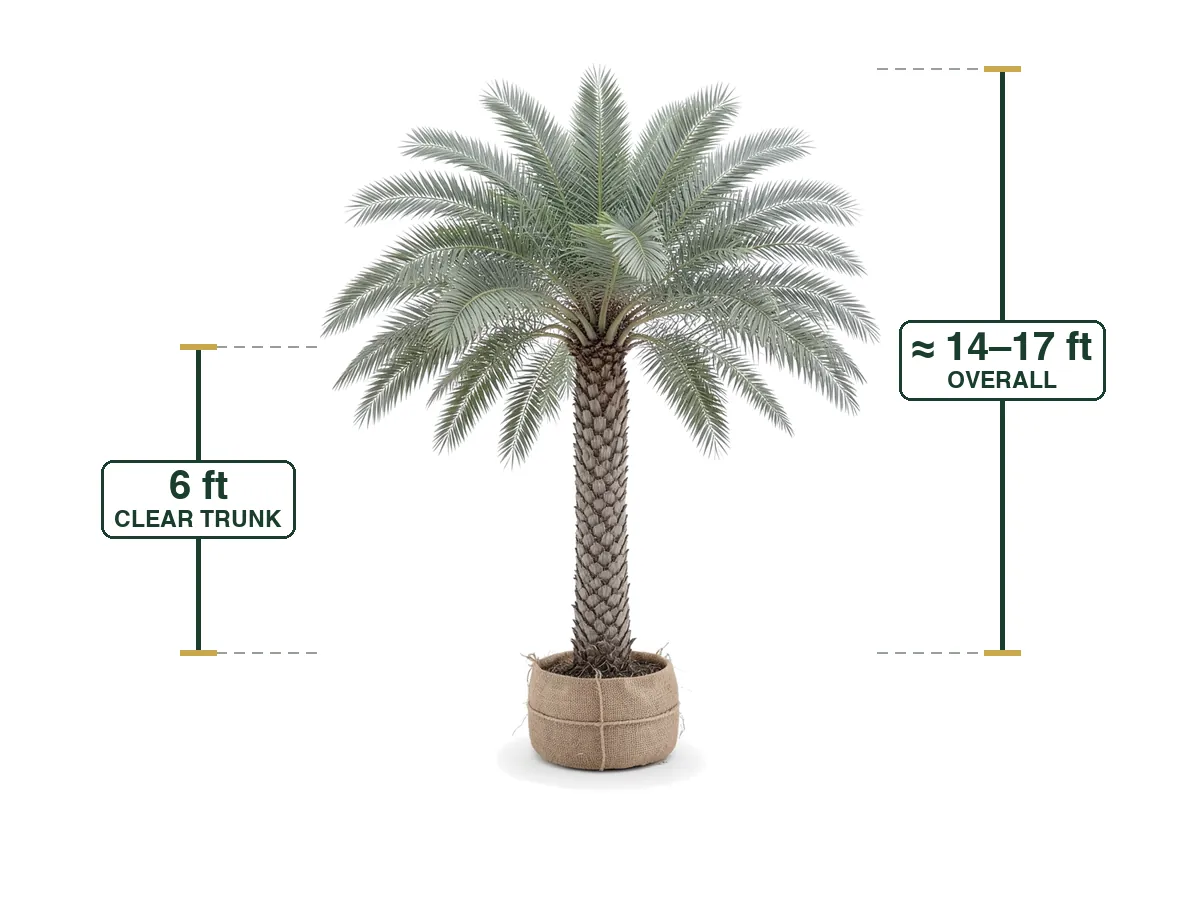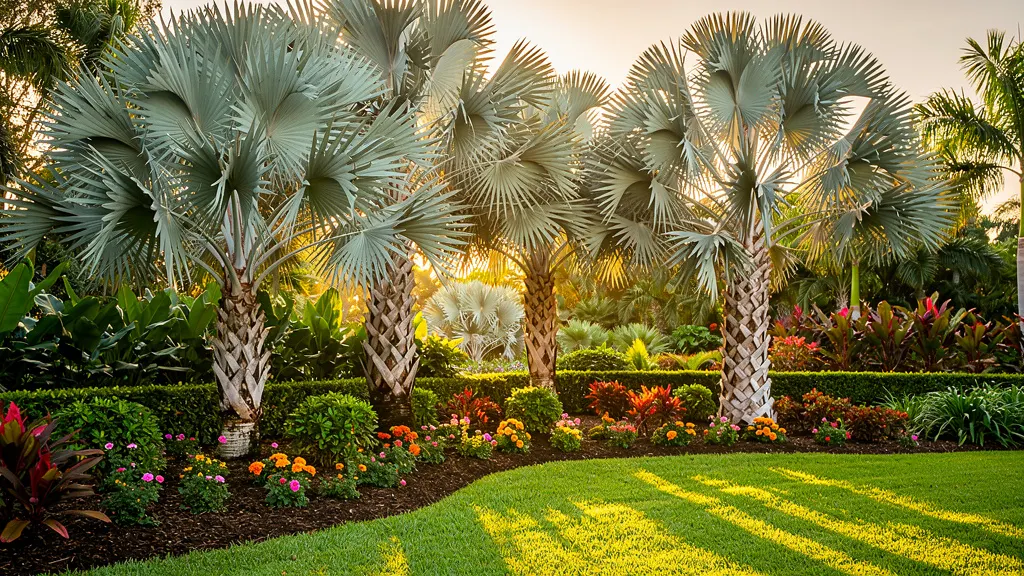
November is an excellent time to plant palms and trees in Cape Coral, offering cooler temperatures and the beginning of the rainy season. Sylvester palms, with their striking blue-green fronds, are a popular choice for homeowners looking to add tropical charm to their landscape.
Soil Preparation for Sylvester Palms
Proper soil preparation is essential for the health and longevity of Sylvester palms. In Southwest Florida, the soil can be sandy or clay-like, and both types require some adjustments before planting.
- ✓Test your soil to determine its pH level. Sylvester palms prefer slightly acidic to neutral soil (pH 6.0 to 7.5).
- ✓Amend heavy clay soil with organic matter such as compost or peat moss to improve drainage.
- ✓In sandy soils, add compost or well-rotted manure to help retain moisture.
- ✓Avoid planting in areas with standing water or poor drainage, as this can lead to root rot.
For more information on Sylvester palms, visit our Sylvester palm product page.
Dealing with Salt and Coastal Conditions
Cape Coral is located near the Gulf of Mexico, which means salt spray from the wind can affect your plants. Sylvester palms are moderately salt-tolerant, but they still need some protection in coastal areas.
- ✓Plant Sylvester palms at least 20 to 30 feet away from the beach or saltwater exposure.
- ✓Use windbreaks such as fences or dense shrubs to reduce salt exposure.
- ✓Rinse the fronds with fresh water after heavy salt spray events to prevent damage.
- ✓Avoid using high-salt fertilizers, which can increase salt buildup in the soil.
If you're considering installing Sylvester palms, you can view our Sylvester palm installation and pricing details.
Managing Heat and Sun Exposure
November in Cape Coral is still relatively warm, with temperatures often reaching into the 70s and 80s. Sylvester palms can tolerate full sun, but it's important to manage their exposure to avoid stress.
- ✓Plant Sylvester palms in locations that receive at least 6 hours of direct sunlight daily.
- ✓If planting near a structure, ensure there is enough space for the palm to grow without being crowded.
- ✓Avoid planting too close to sidewalks or patios where roots may be disturbed.
- ✓Water regularly during the first few months after planting to help the tree establish itself.
Navigating Rainy and Dry Seasons
Cape Coral experiences a distinct rainy season from June to November, followed by a dry season from December to May. Understanding these patterns can help you plan your planting and care schedule effectively.
- ✓Planting in November allows the Sylvester palm to establish roots before the dry season begins.
- ✓During the rainy season, ensure the planting area has good drainage to prevent waterlogging.
- ✓In the dry season, water the palm as needed to keep the soil moist but not soggy.
- ✓Mulching around the base of the tree can help retain moisture during dry periods.
HOA Rules and Lee County Norms
Homeowners in Cape Coral often live in neighborhoods with Homeowners Associations (HOAs), which may have specific rules about planting and landscaping.
- ✓Check your HOA's guidelines to see if there are restrictions on tree types, sizes, or placement.
- ✓Some HOAs may require a landscape plan or approval before planting.
- ✓Sylvester palms are generally well-received due to their low maintenance and aesthetic appeal.
- ✓In Lee County, local ordinances may apply to the size and type of trees that can be planted in public areas or near streets.
If you need help with a quote or have questions about planting in your specific area, contact us for a quote.
Final Thoughts and Next Steps
Planting Sylvester palms in November is a smart choice for Cape Coral homeowners looking to enhance their outdoor space with a touch of tropical elegance. With the right care and planning, these palms can thrive year-round.
Whether you're starting a new landscape or adding to an existing one, now is a great time to take action. For a personalized quote or additional planting advice, contact us today. Call (239) 799-5594 or text (239) 763-0625 to get started.
Dealing with Local Soil Conditions
Cape Coral's soil tends to be sandy and well-draining, which is generally favorable for Sylvester palms. However, this type of soil can also be low in essential nutrients. To ensure the health of your Sylvester palms, consider incorporating organic matter such as compost or peat moss into the planting area. This helps improve soil structure and nutrient retention. Additionally, applying a slow-release, all-purpose palm fertilizer in the spring and summer months can support healthy growth. It's also important to avoid overwatering, as the sandy soil can drain quickly and may not hold onto moisture as well as other soil types. Regularly checking the soil moisture level by feeling the top few inches can help you determine when to water. Taking these steps will help your Sylvester palms thrive in the unique soil conditions of Southwest Florida.
Coordinating with Local Landscaping Trends
In Cape Coral, landscaping trends often favor native and drought-tolerant plants that can withstand the region's climate. Sylvester palms fit well within this trend due to their resilience and low maintenance needs. When planning your landscape, consider pairing Sylvester palms with other native plants such as red tides, coontie, or saw palmetto to create a cohesive and ecologically friendly design. These plants not only complement the look of Sylvester palms but also support local wildlife and reduce the need for excessive irrigation. Additionally, many local landscaping professionals in Southwest Florida are familiar with the unique challenges of the area and can offer tailored advice on placement and care. By aligning your planting choices with local trends, you can create a landscape that is both beautiful and sustainable.
Related Reading From Palm and Plant Co
- ✓Sylvester Palms in Cape Coral
- ✓Sylvester Palms in Bonita Springs
- ✓Podocarpus Hedges in Cape Coral
- ✓Sylvester Palms in Sanibel
- ✓Foxtail Palms in Cape Coral